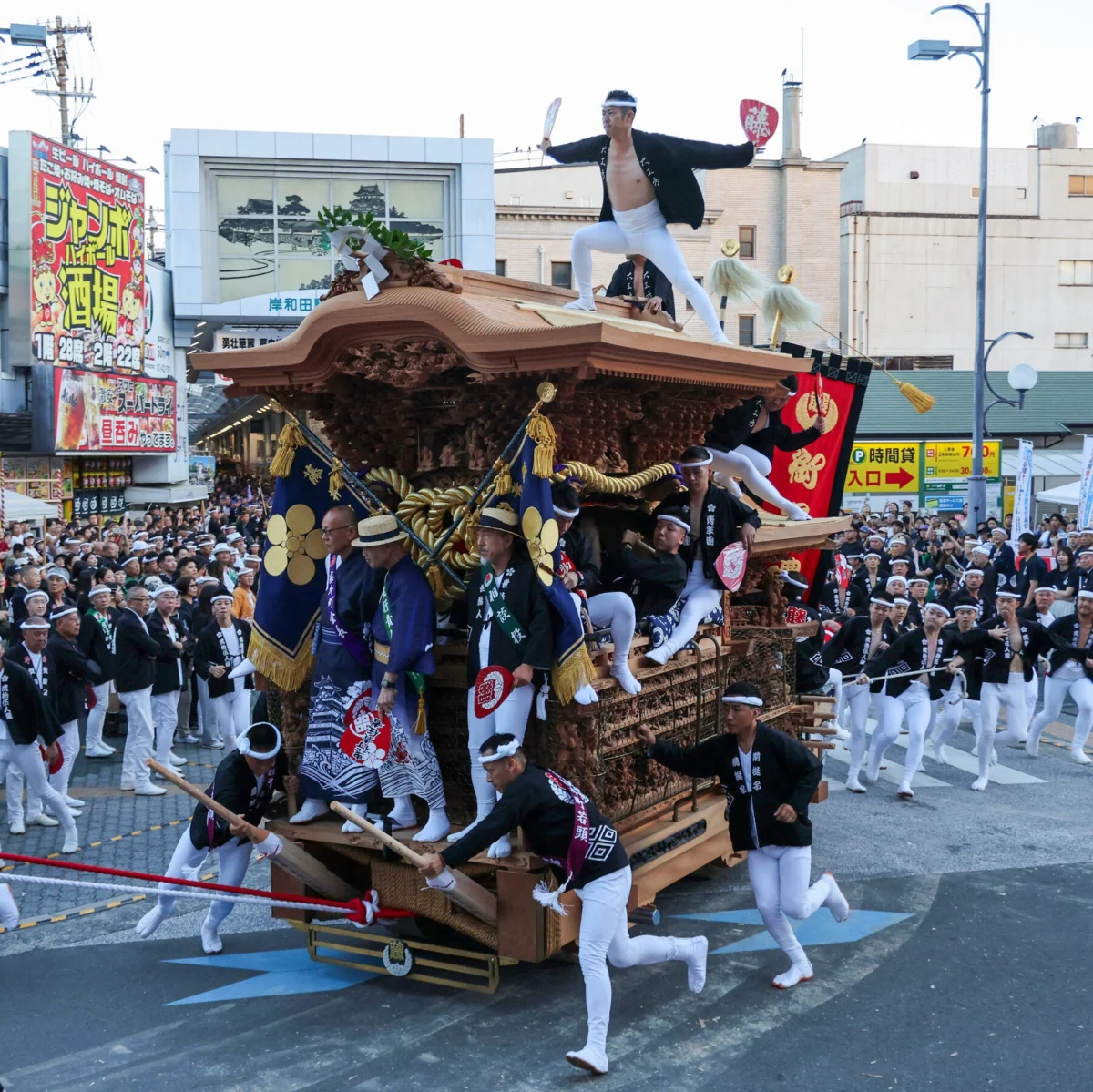
Two recent deaths linked to Japan’s danjiri festival have renewed public anxiety over whether participants can remain safe during the centuries-old tradition. The festival, which dates back roughly three hundred years, involves large ornate floats pulled through streets during community celebrations. While the custom remains deeply rooted in local culture, the fatalities have prompted scrutiny of safety practices surrounding the annual event.
The danjiri festival deaths highlight a broader tension in Japan between preserving traditional customs and ensuring modern safety standards. Local communities across the country stage similar festivals each year, drawing both residents and visitors to witness the elaborate floats and parades. However, the recent fatalities have led some observers to question whether adequate protections exist for those taking part in the festivities, including participants who pull the heavy wooden structures.
What happens next for the danjiri festival deaths and broader safety concerns remains uncertain. Officials may review existing protocols surrounding the event, though the source provides no indication of formal investigations or policy changes. The tradition continues despite the loss of life, leaving affected families and communities to weigh grief against cultural continuity. Many locals describe the festival as central to regional identity, even as they mourn those who died.
The danjiri festival deaths underscore how deeply cherished customs can clash with contemporary expectations around risk and responsibility. Communities involved in organizing these events often rely on generational knowledge and volunteer coordination, factors that may complicate efforts to implement formal safety measures. Whether adjustments will be made depends largely on public pressure and any official responses yet to be announced.
Still unconfirmed details include the exact number of injured individuals, the specific causes of death, or whether regulatory reforms are being considered by local authorities. No statements from government officials or festival organizers were reported in the coverage. Additionally, there is no confirmed timeline for when or if reviews of festival safety guidelines might begin.
Why it matters is that the danjiri festival deaths reflect challenges faced by many countries balancing heritage preservation with public safety. Japan’s cultural festivals attract millions annually, contributing significantly to regional tourism and civic engagement. These traditions foster community pride but also pose risks when crowds gather around moving platforms or towering floats. Public confidence in the sustainability of such events may depend on visible commitments to safer participation. The outcome could influence similar festivals elsewhere where old customs meet new concerns.
What to watch is whether local governments announce safety reviews or modify future festivals. No official comment was included in the source material, making future developments difficult to predict. Further reporting may clarify whether memorials or policy discussions emerge in response to the danjiri festival deaths.