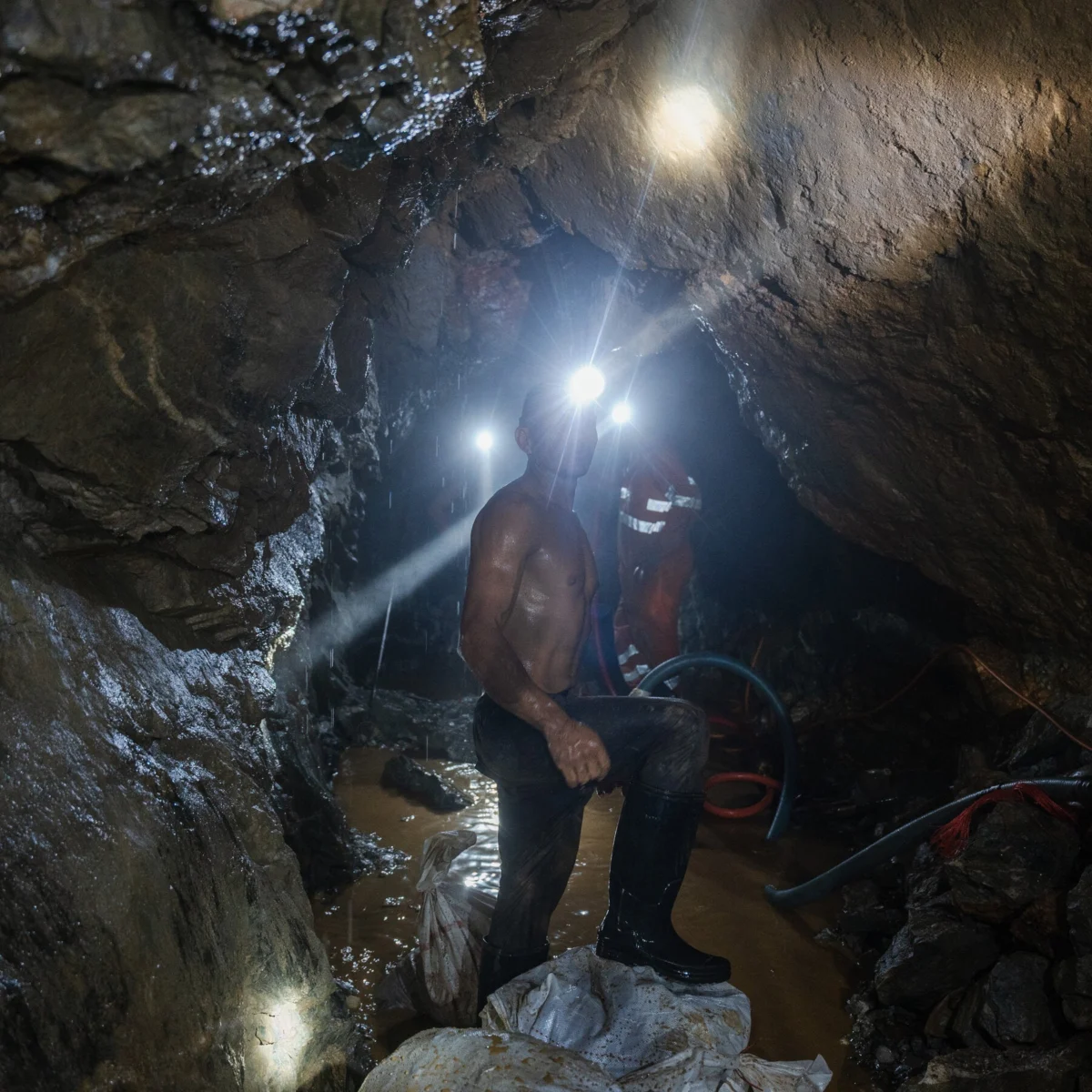
Trump administration officials brought Venezuelan gold into the United States, yet major American refiners have refused to process it, according to reporting by NYT > World News. The episode illustrates how the administration is navigating a notoriously corrupt industry, including brokering deals with a company the United States has officially designated as a security threat.
The arrival of Venezuelan gold in U.S. hands raised questions about the source of the metal and the legal framework under which it entered the country. Refiners’ reluctance to touch the material suggests concerns about risk, legality, or reputational exposure connected to a sanctioned entity.
Key Facts
- Headline: Trump brought Venezuelan gold to the U.S., but refiners won’t touch it.
- Brokered deals: The administration is brokering deals in a notoriously corrupt industry.
- Security threat: One deal involves a company the U.S. deems a security threat.
Why Refiners Are Hesitant
Venezuela’s gold sector has long been associated with corruption, illegal mining, and links to armed groups, according to general reporting. Bringing that material into the U.S. financial system can expose buyers and processors to legal and regulatory risk. Refiners may also be avoiding the gold because of uncertainty over whether it fully complies with U.S. sanctions regimes or international anti-money laundering standards.
This hesitation underscores the difficulty governments face when attempting to monetize assets tied to authoritarian or sanctioned actors. Even when physical possession of the metal transitions to a new custodian, downstream processors often require assurance that the chain of custody and legality of origin meet strict compliance thresholds.
How Did We Get Here?
The Trump administration previously took public positions opposing the Maduro government in Venezuela, recognizing opposition leader Juan Guaido as the legitimate president. Despite those political stances, the administration is now reported to have facilitated the movement of Venezuelan gold into U.S. territory, signaling a shift toward direct engagement with actors tied to the country’s extractive industries. This includes a deal reportedly involving a company labeled by the U.S. as a security threat, suggesting a pragmatic pivot that contrasts with earlier diplomatic pressure.
Sanctions on Venezuela’s gold sector remain a sensitive area of U.S. foreign policy. Any transaction involving designated entities must navigate complex legal thresholds, and refusals by private refiners to participate may reflect both compliance caution and market-driven risk assessment.
What We Know — and What We Don’
Verified by the source:
- Venezuelan gold was brought into the United States.
- U.S. refiners have declined to process the gold.
- The administration is brokering deals in a corrupt industry.
- A deal involves a company the U.S. considers a security threat.
Still unconfirmed:
- The specific company involved in the deal.
- The timeline or volume of gold moved.
- The legal basis for the gold’s entry into the U.S.
- Which administration officials authorized the transfers.
- Reasons cited by refiners for their refusal.
Why It Matters
How the U.S. handles Venezuelan gold reflects broader tensions between diplomatic pressure and economic engagement with authoritarian regimes. It also highlights the role of private sector compliance in shaping the effectiveness of public policy tools like sanctions. For readers concerned with global finance, geopolitics, or ethical sourcing, the story reveals how high-stakes assets can become both leverage and liability in international disputes. Understanding the flow of Venezuelan gold helps connect dots between resource wealth, corruption, and foreign influence — issues that resonate across the war-geopolitics and economy-markets landscapes.
What To Watch
Officials have not publicly detailed the legal framework governing the gold’s entry, and the identities of the companies involved remain unclear. How refiners and lawmakers respond in coming weeks — whether through formal inquiries or new regulatory guidance — could determine whether this precedent reshapes future sanctions enforcement efforts.