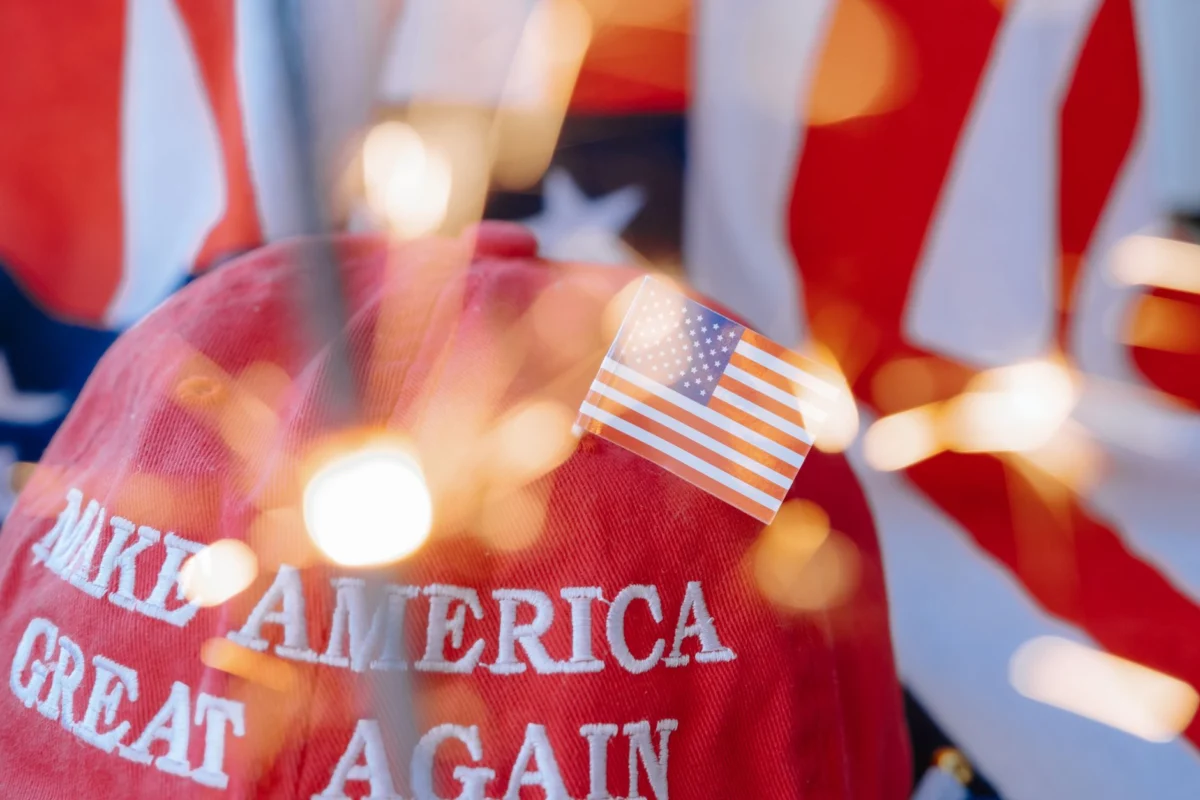
At 9:23 a.m. on the west lawn of the Washington Monument, a silver‑white stage lit up the National Mall as former President Donald Trump cut the ceremonial ribbon for his “America 250” celebration.
The event, billed as a tribute to the nation’s 250th birthday, drew an estimated 8,000 supporters, but also a sharply vocal crowd of preservationists and local officials protesting a planned reflecting‑pool redesign that would alter the iconic vista of the Lincoln Memorial.
What is America 250 and why the reflecting‑pool plan matters
America 250 is a private‑funded series of concerts, speeches and fireworks slated to run from July 4 through July 14. Organizers say the festival will showcase “the best of American culture” while raising $50 million for veteran charities.
At the heart of the controversy is a $120 million construction contract awarded by the National Park Service to remodel the Reflecting Pool’s north wall, add a glass‑balustrade and install new lighting. Critics argue the changes would disrupt the historic sightline between the Washington Monument and the Lincoln Memorial, a view protected since the 1970s.
Why does this matter?
For everyday Americans, the debate pits two core values against each other: the desire for a grand, unifying celebration versus the preservation of a public space that symbolizes the nation’s democratic ideals. If the redesign proceeds, it could set a precedent for commercial alterations of other historic sites, reshaping how citizens experience their own capital.
Local businesses anticipate a short‑term boom, estimating a $30 million injection into the hospitality sector, according to a study by the Washington Chamber of Commerce. Yet heritage groups warn that once the aesthetic fabric of the Mall is altered, the cost to cultural memory could be irreparable.
Who is speaking out?
National Park Service spokesperson Lisa Meyers told reporters the redesign follows a “comprehensive safety and accessibility review” and will be completed before the July 14 fireworks finale.
Historic preservationist group Preserve the Mall released a statement calling the project “an ill‑conceived commercial venture that erodes the solemn dignity of the Mall.”
Senator Maria Torres (D‑VA), a member of the Senate Committee on Energy and Natural Resources, announced she will introduce legislation to halt the construction pending a full environmental impact assessment.
Meanwhile, Trump’s campaign manager, Jason Miller, dismissed the outcry as “politically motivated theater” and reaffirmed the rally’s focus on “honoring the sacrifices of our veterans and celebrating American greatness.”
What happens next?
The National Park Service has scheduled a public comment period ending August 5. If enough opposition is recorded, the agency could suspend the contract and reconsider the design.
Regardless of the outcome, the America 250 event will continue on schedule, with headliners including country star Blake Turner and a surprise appearance by former first lady Michelle Obama.
For readers following the broader story of how public spaces are being re‑imagined in an era of mega‑events, the clash over the Reflecting Pool is a bellwether of future cultural battles.
Stay tuned as city officials, preservationists and Trump supporters navigate the next chapter of this high‑stakes showdown.