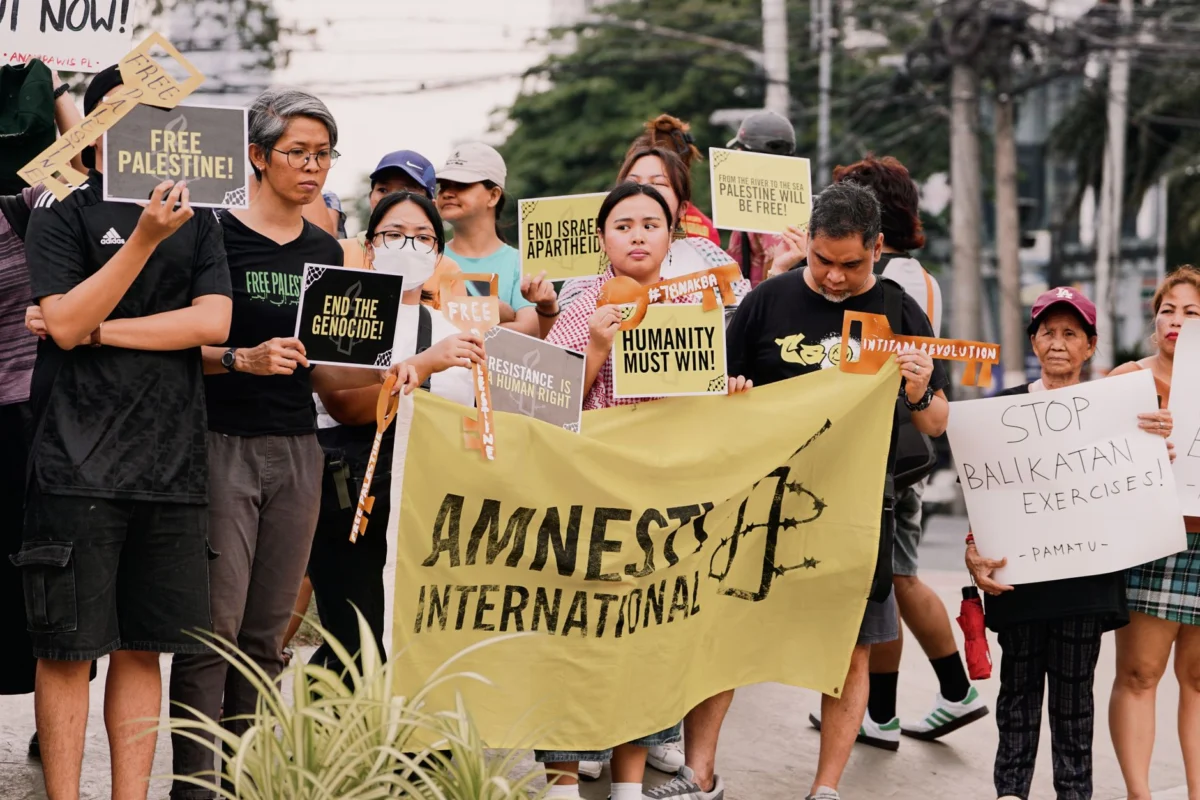
Amnesty International has accused the United States of refusing to disclose key information about the Minab school bombing, even four months after the attack that killed dozens of children.
The tragedy unfolded on February 20, 2026, when a missile struck a primary school in Minab, Iran, killing at least 38 students and wounding more than 70 others.
What Amnesty Says
In a statement released on June 24, Amnesty said U.S. officials had not answered repeated requests for the origin of the weapon, the chain of command that authorised the strike, or any evidence that the target was a legitimate military objective.
“The United States continues to hide behind secrecy, leaving families and the international community in the dark,” the organization wrote.
Why does this matter?
Transparency in conflict zones is a cornerstone of international humanitarian law. When a superpower shields its military actions, it undermines the credibility of investigations, fuels propaganda, and makes it harder for victims to seek justice.
For ordinary citizens, the opacity threatens the principle that no weapon should be used in proximity to schools, something most people take for granted in peacetime.
Washington’s Response
The U.S. Department of Defense has not issued a formal comment, citing “national security concerns.” A senior Pentagon spokesperson, speaking on condition of anonymity, told reporters that the “investigation is ongoing” and that any release of details could jeopardise operational safety.
Critics argue that this vague response is a strategic move to avoid setting a precedent of full disclosure in future conflicts.
What happens next?
Amnesty is calling for an independent UN inquiry and for the United States to submit the missing data to the International Committee of the Red Cross.
If the U.S. continues to withhold information, the pressure could mount from allied governments, human‑rights NGOs, and the courts of several European nations that have begun to explore the use of universal jurisdiction in war‑crime cases.
The story underscores a broader dilemma: how democratic societies balance security secrecy with the public’s right to know when civilian lives are at stake.
Follow our coverage as diplomatic talks in Geneva attempt to address the fallout from the Minab school bombing and the growing demand for accountability.