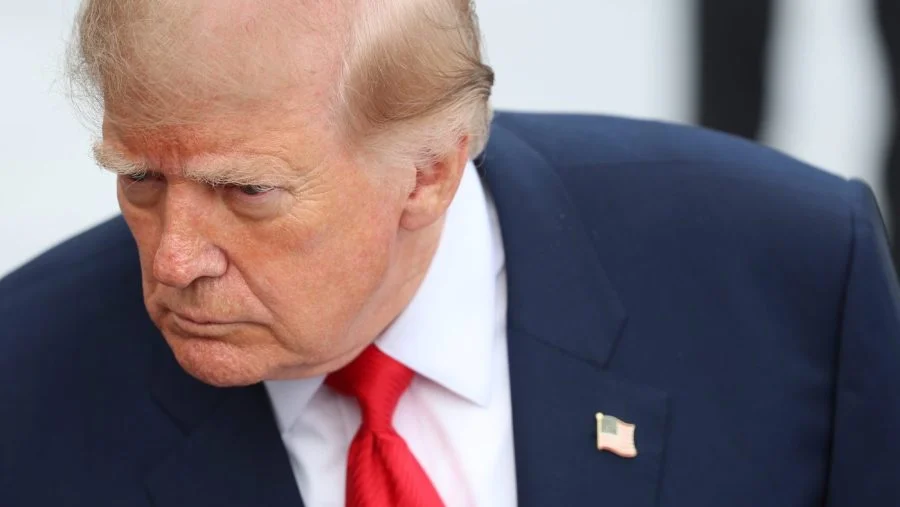
Following Republican criticism, President Trump said he will “make a decision ultimately” on whether to livestream by firing squad the execution of convicted Fort Hood shooter Nidal Hasan.
Trump described Hasan as a “vicious killer” who “killed 13 people in cold blood, wounded over 20,” and noted that some victims will never fully recover. The comments come amid ongoing debate over capital punishment procedures and public transparency in executions.
Key Facts
- President Trump said he will ultimately decide on livestreaming the execution.
- The execution method proposed is firing squad, according to reports.
- Nidal Hasan was convicted in the 2009 Fort Hood shooting.
- Thirteen people were killed and over 20 wounded, per Trump’s account.
- GOP backlash preceded Trump’s statement, sources say.
What Happens Next?
President Trump has not set a timeline for his decision. Legal experts note that livestreaming executions is extremely rare and raises First Amendment concerns. While some argue it increases transparency, others warn it could traumatize viewers or glorify violence. The White House has not issued further guidance on process or protocol should the decision be made to proceed with a live broadcast.
If approved, such a broadcast would likely face immediate legal challenges. Civil liberties groups have historically opposed public executions, and courts may intervene before any livestream occurs. The military justice system, which handled Hasan’s case, operates under different rules than civilian courts, adding complexity to any public execution decision.
Who Is Affected?
The families of the 13 victims killed in the 2009 Fort Hood shooting remain directly impacted by this ongoing issue. Many have spoken publicly about seeking closure while opposing excessive publicity. Legal scholars also expect this decision to influence future debates over capital punishment transparency.
Veterans and active-duty service members may also feel the weight of this case, as it involved an Army major committing mass murder on a military base. The broader public is affected by questions of justice, media access, and government discretion in carrying out executions. Advocacy groups on both sides of the death penalty debate are likely monitoring the situation closely.
What We Know — and What We Don’t
Verified by the source:
- President Trump said he will ultimately decide on livestreaming the execution.
- Republican backlash preceded his public statement.
- Nidal Hasan was convicted in the 2009 Fort Hood shooting.
Still unconfirmed:
- Whether a formal process exists for deciding on execution livestreams.
- Exact legal framework governing such broadcasts.
- Official stance from the Department of Defense or White House counsel.
Why It Matters
This potential decision intersects with long-standing American tensions over capital punishment, government transparency, and the rights of victims’ families. How a sitting president chooses to carry out justice in one of the military’s worst acts of violence will set precedent for future cases.
What To Watch
Legal experts expect any move to livestream an execution to prompt swift court action. Officials have yet to release details on procedures or timelines.
Meta description: President Trump said he will ultimately decide whether to livestream the execution of Fort Hood shooter Nidal Hasan after GOP backlash.