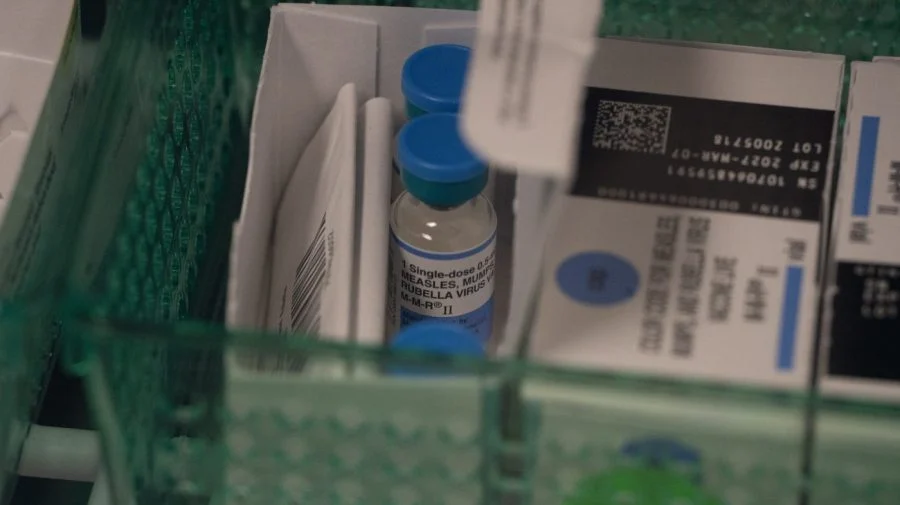
US measles cases have surpassed 4,000 this year, with over 25 percent of the nation’s reported infections coming from Pennsylvania, according to data released by the Centers for Disease Control and Prevention (CDC). The CDC confirmed Friday that 4,080 measles cases have been reported across 47 states and Washington, D.C. Measles is a highly contagious viral illness preventable by vaccine, and health officials have long tracked outbreaks as part of routine surveillance.
The concentration of cases in Pennsylvania raises questions about local vaccination rates, public health response, and potential exposure risks. While measles was declared eliminated from the United States in 2000, cases continue to appear through travel abroad and under-immunized communities. The recent increase reflects ongoing challenges in maintaining herd immunity thresholds, which require roughly 95 percent of the population to be vaccinated.
Key Facts
- US
measles casesthis year have surpassed4,000. - Over
25 percentof cases come fromPennsylvania. - Total reported cases:
4,080across47 statesand Washington, D.C. - Data confirmed by the
Centers for Disease Control and Prevention(CDC). - CDC made the confirmation public on
Friday.
What drives the rise in measles cases?
Measles spreads easily through the air when an infected person coughs or sneezes, making it one of the most contagious viruses known. Before widespread vaccination, millions of cases occurred annually in the US. The MMR vaccine, typically given in two doses, is about 97 percent effective at preventing infection when both doses are administered. Declines in vaccination rates, often due to misinformation or lack of access, can erode community immunity and allow the virus to resurface.
The World Health Organization lists measles as a leading cause of death among children under five in countries with low vaccination coverage. In the US, outbreaks are usually tied to under-vaccinated clusters, such as certain religious or philosophical exemption communities. Public health departments investigate each confirmed case to trace contacts and recommend post-exposure prophylaxis when appropriate.
Who is affected by the Pennsylvania outbreak?
Pennsylvania accounts for more than a quarter of the nation’s reported infections, suggesting localized transmission rather than isolated imported cases. Measles can affect anyone who has not been vaccinated or previously infected, though young children and immunocompromised individuals face higher risks of complications such as pneumonia and encephalitis. Hospitalization rates remain low compared to pre-vaccine eras, but severe outcomes can occur.
State and local health departments may ramp up outreach efforts, offer vaccination clinics, and advise schools to verify immunization records. Close contacts of infected individuals often receive MMR doses within 72 hours of exposure to prevent illness. Travelers returning from areas with active measles transmission should monitor for symptoms for up to 21 days after arrival.
What We Know — and What We Don’t
Verified by the source:
- US measles cases exceeded
4,000in 2024. - More than
25 percentof cases were reported inPennsylvania. - Total cases reached
4,080across47 statesand Washington, D.C. - The CDC confirmed these figures on
Friday.
Still unconfirmed:
- The specific dates or timelines behind the reported cases.
- Whether cases are linked to travel abroad or community spread.
- Individual patient information or ages involved.
- Details about ongoing public health interventions in Pennsylvania.
- Confirmation from independent sources or international health agencies.
Why It Matters
Measles outbreaks underscore the fragility of disease elimination gains achieved through vaccination programs. Even rare cases represent potential clusters that can grow rapidly in unvaccinated populations. For families and schools, understanding outbreak sources helps guide prevention decisions and highlights the importance of routine immunizations in maintaining public health.
What To Watch
Further data releases from the CDC may clarify geographic trends and vaccination gaps driving the increase. Readers should monitor official guidance from the CDC and state health departments about recommended actions or additional surveillance measures.