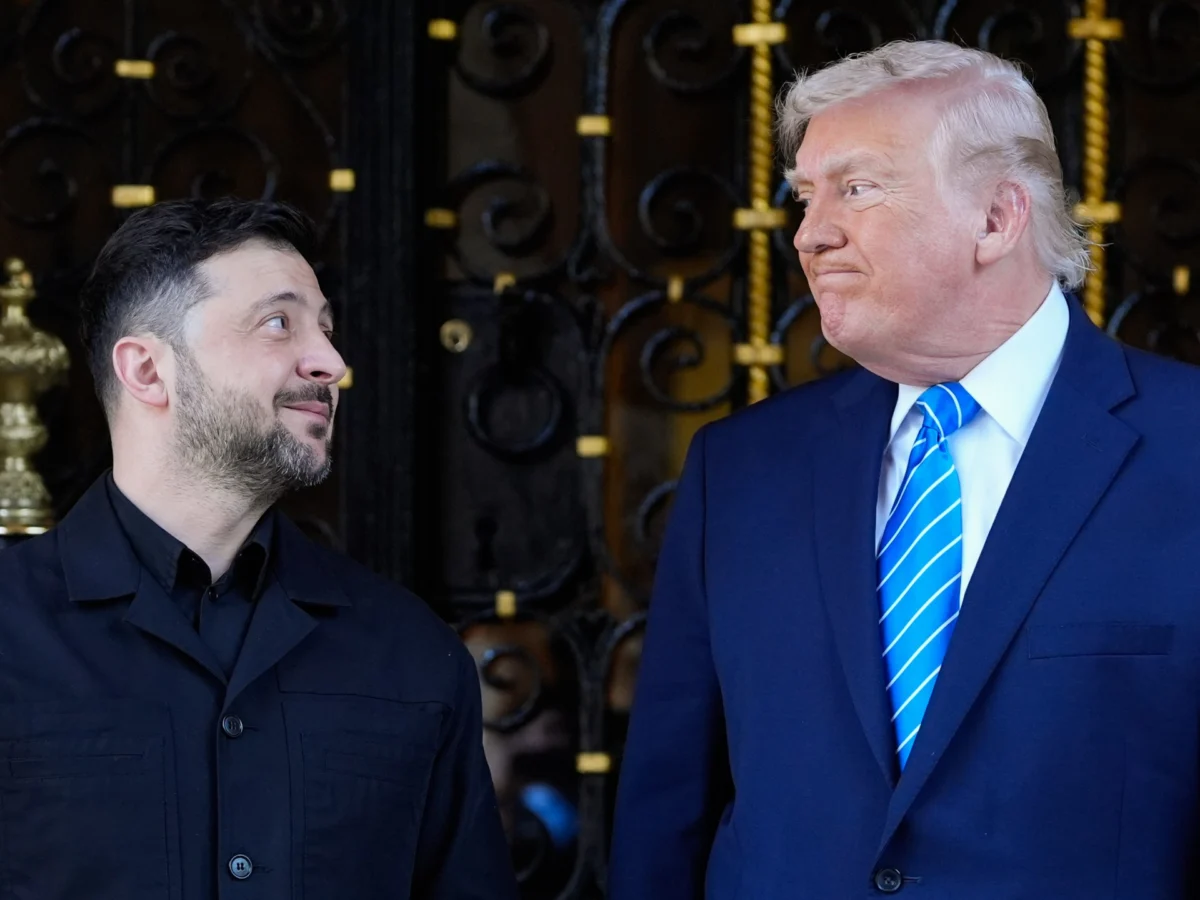
US President Donald Trump defended his administration’s decision to ease sanctions on Russia while publicly criticizing Ukrainian President Volodymyr Zelenskyy, accusing him of lacking genuine interest in ending the ongoing war. The remarks came as Zelenskyy held separate discussions with Washington envoys, underscoring a tense diplomatic dynamic between the two leaders.
Trump’s defense of Russian sanctions relief signals a shift in US foreign policy toward Russia, one that has drawn scrutiny both domestically and internationally. Meanwhile, his criticism of Zelenskyy adds another layer of strain to a relationship already tested by disagreements over military aid and strategic priorities. As both leaders navigate complex negotiations, the stakes remain high for regional stability and transatlantic alliances.
Key Facts
- US President defended Russian sanctions relief.
- President lashed out at Zelenskyy during public remarks.
- Zelenskyy accused of not wanting to end the war.
- Ukrainian leader spoke with Washington envoys.
The Story
What happens next?
The immediate future of US-Ukraine relations remains uncertain following Trump’s public criticism of Zelenskyy. With ongoing dialogue between Ukrainian officials and Washington envoys, further developments could shape the trajectory of bilateral cooperation. Sanctions policy will likely remain under close observation from Congress, European allies, and international observers who monitor the impact of these measures on regional security and economic stability.
Historically, sanctions have played a central role in US foreign policy, often used as leverage to influence geopolitical outcomes. Changes in sanctions policy typically require coordination with legislative bodies and allied nations, making such decisions both politically and diplomatically significant. Any future adjustments may affect ongoing negotiations aimed at de-escalating conflicts in the region.
Diplomatic channels continue to operate despite recent tensions. Meetings between envoys and foreign leaders usually serve as crucial mechanisms for maintaining communication, even amid disagreements. These interactions provide platforms for addressing concerns, clarifying positions, and exploring potential avenues for mutual understanding or compromise.
How did we get here?
Tensions between the United States and Ukraine have evolved over several years, influenced by shifting global dynamics and changing administrations in both countries. Decisions regarding military assistance, economic support, and sanctions implementation have contributed to periods of both cooperation and friction. Recent exchanges reflect longstanding challenges in aligning national interests within an ever-changing international landscape.
The issue of Russian sanctions has been particularly contentious, viewed by many as a tool for applying pressure on Moscow while supporting partner nations affected by broader conflicts. Adjustments to these policies often prompt reactions from multiple stakeholders, including government officials, advocacy groups, and members of civil society across various countries involved in or impacted by the situation.
Media coverage of these developments plays an important role in shaping public perception and informing citizen discourse around foreign affairs. Journalists and news organizations strive to present balanced reporting based on available information, helping audiences stay informed about matters that influence national security and diplomatic engagement worldwide.
What We Know — and What We Don’t
Verified by the source:
- A US president defended Russian sanctions relief.
- The same leader criticized the Ukrainian president publicly.
- The Ukrainian leader was accused of not wanting to end the war.
- Zelenskyy met with Washington envoys.
Still unconfirmed:
- Specific reasons behind the sanctions relief decision.
- Exact timing or format of meetings referenced.
- Detailed responses from other world leaders or institutions.
- Full context of prior communications between involved parties.
Why It Matters
This exchange highlights the delicate balance of power and diplomacy in contemporary international relations. Sanctions policies and leadership rhetoric influence not only bilateral ties but also collective security frameworks involving multiple nations. Public statements at this level carry weight in shaping policy directions, market confidence, and humanitarian considerations across affected regions.
What To Watch
Officials have yet to announce any formal follow-up actions, though continued diplomatic engagement appears likely. Observers expect further clarification on sanctions approaches and potential next steps in broader negotiations.
US President defended Russian sanctions relief and criticized Zelenskyy amid ongoing envoy discussions.