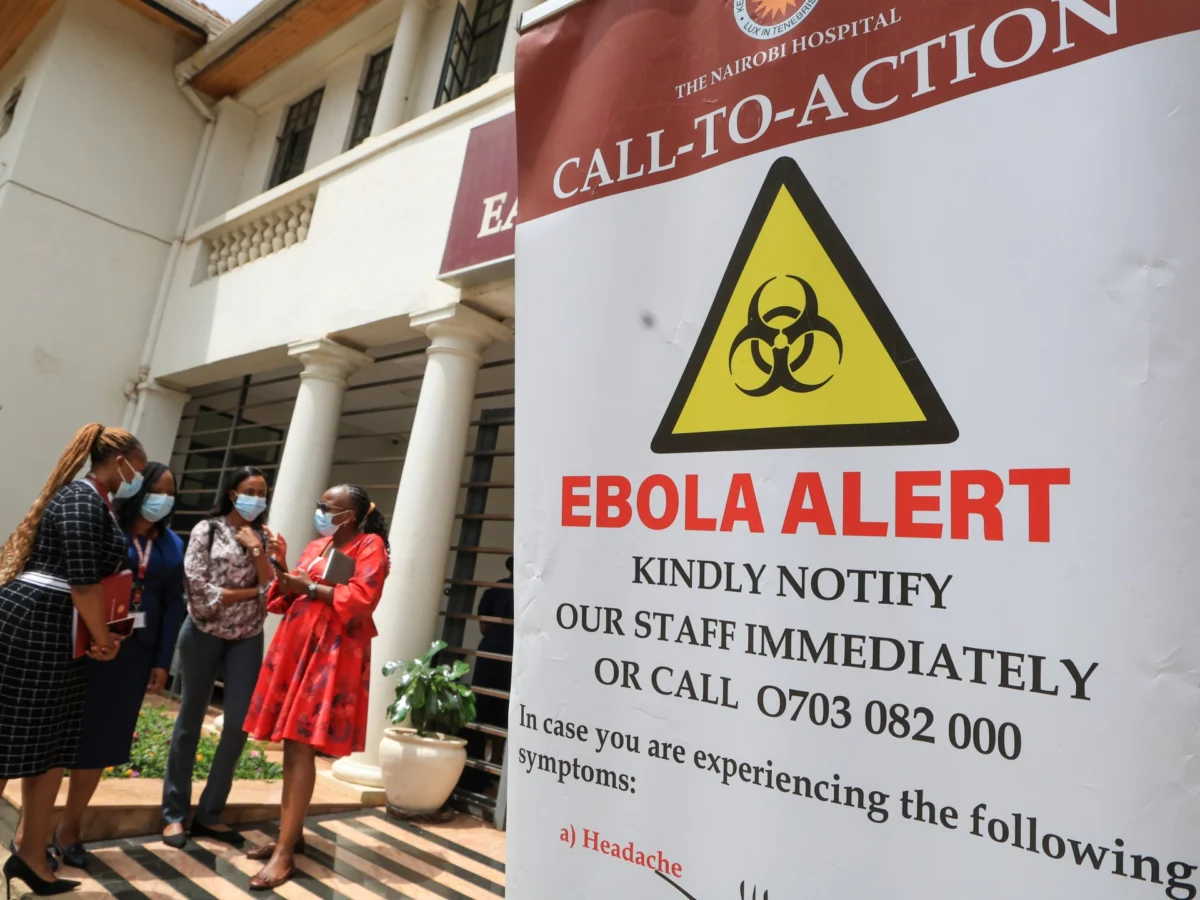
Kenya has confirmed its eighth Ebola case, health authorities announced, as the regional outbreak continues to widen. The latest patient was likely exposed to the country’s first Ebola case, indicating ongoing transmission within the nation’s healthcare and community networks.
This development underscores the persistence of the Ebola virus in East Africa and raises concerns about containment efforts. Kenyan officials have not disclosed additional clinical or epidemiological details at this time.
Key Facts
- Kenya confirms eighth Ebola case.
- The latest patient was likely exposed to the first case.
- The regional outbreak is spreading wider.
- Health authorities made the announcement.
What happens next?
The confirmation of an eighth Ebola case suggests that the virus remains active in Kenya, particularly among contacts or communities linked to earlier infections. Health experts typically respond to such developments with enhanced contact tracing, isolation of suspected cases, and supportive care for confirmed patients. No widely available cure exists for Ebola, though treatments and vaccines have improved survival rates in recent outbreaks.
Ebola is a severe, often fatal illness caused by the Ebola virus. Symptoms include sudden fever, severe headache, muscle pain, weakness, diarrhea, vomiting, stomach pain, and unexplained bleeding. The disease spreads through direct contact with blood or body fluids of people who are sick or have died from Ebola, as well as infected animals.
Who is affected?
The affected individuals include the initial patient and those exposed to them, likely including family members, caregivers, or healthcare workers. Communities near treatment centers or affected regions may face heightened risk if infection control measures are not strictly followed. Regional cooperation and cross-border surveillance play critical roles in limiting further spread.
How did we get here?
Ebola outbreaks are not uncommon in Central and West Africa. The current situation reflects a broader pattern of viral emergence, often originating from animal hosts before spilling over into human populations. Kenya’s first case likely arrived through travel or trade connections with affected areas, leading to localized transmission that has since expanded to eight confirmed cases.
What We Know — and What We Don’t
Verified by the source:
- Kenya has confirmed its eighth Ebola case.
- The latest patient was likely exposed to the first case in the country.
- The outbreak is described as widening regionally.
Still unconfirmed:
- The exact location or hospital where the case was identified.
- The date of exposure or symptom onset.
- The current condition or treatment status of the patient.
- Whether any contacts are under quarantine or monitoring.
Why it matters
Ebola outbreaks pose serious public health and economic risks. Past epidemics have disrupted healthcare systems, reduced trade, and triggered mass quarantines. For Kenya, continued cases could strain medical resources and impact regional stability. The World Health Organization monitors such outbreaks closely, often recommending travel advisories or emergency declarations.
What to watch
Authorities are expected to provide updates on contact tracing efforts and whether additional cases emerge in the coming days. International health agencies may also issue guidance regarding travel or movement restrictions.
Meta description: Kenya confirms eighth Ebola case linked to first patient as regional outbreak continues to spread, though no further details have been released by health officials.
Related coverage: Health & Science | War & Geopolitics