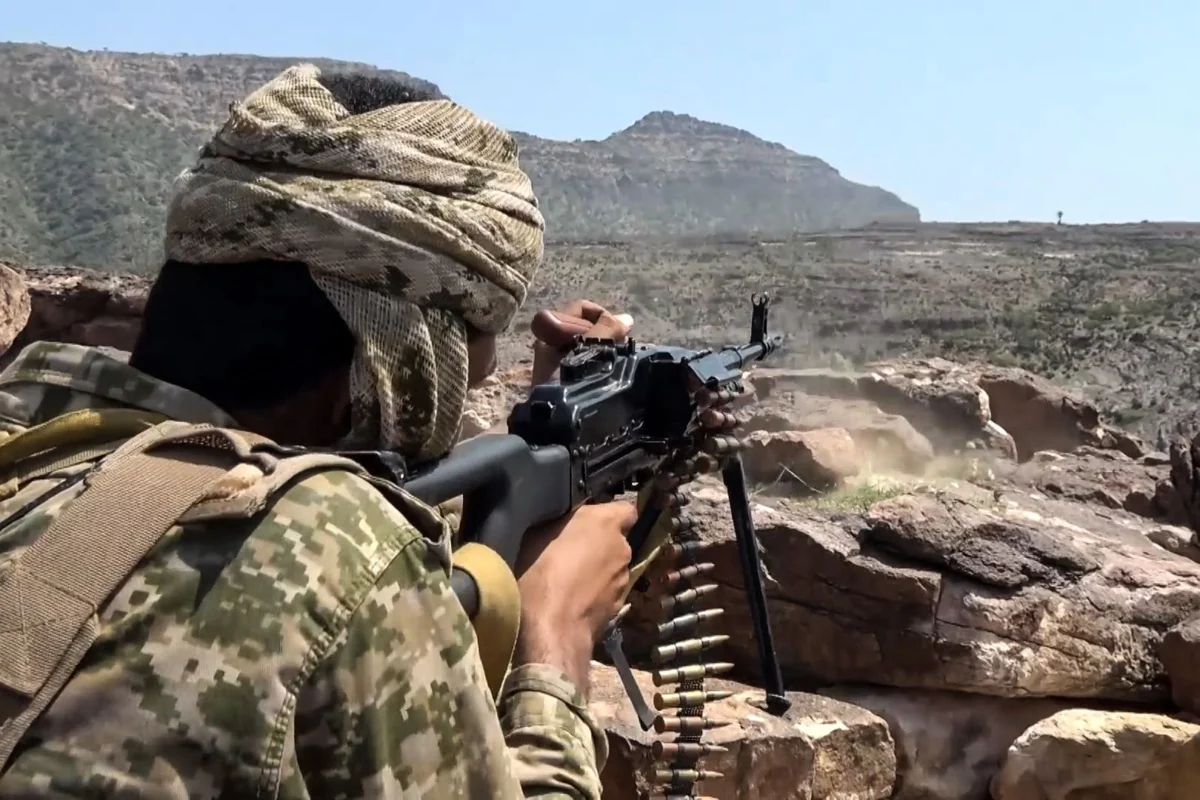
US President Trump criticized Yemen’s Houthis for what he described as escalating attacks, as Saudi Arabia announced it had halted flights at Riyadh airport. The developments reflect deepening regional tensions connected to the ongoing conflict in Yemen and broader Iran-linked hostilities.
The suspension of flights at Riyadh airport underscores how disruptions in Yemen can reverberate across Gulf airspace and infrastructure. At the same time, Trump’s public condemnation adds further visibility to a conflict already marked by proxy dynamics involving regional powers.
Key Facts
- Trump criticizes Houthis over escalating attacks.
- Saudi Arabia halts flights at Riyadh airport.
- Conflict linked to wider Iran-related regional tensions.
- Disruptions affect Gulf airspace and infrastructure.
Why Are Trump and the Houthis in Focus Now?
The recent exchange stems from a series of cross-border incidents tied to the Yemen conflict, where the Houthis have intermittently launched drone and missile strikes toward Saudi territory. Trump’s remarks amplify international attention on these actions, positioning them as part of broader instability in the Middle East linked to Iran-backed groups.
Riyadh’s decision to suspend flights at its main airport reflects security protocols common during active threats. Such measures illustrate how regional conflicts can quickly disrupt civilian life and commercial operations far from active battlefields.
What Happens Next?
Moves by either side—additional Houthi attacks or expanded Saudi restrictions—could escalate tensions further. Analysts note that public statements from Trump may also influence diplomatic responses from regional actors including Saudi Arabia and Iran-aligned forces.
As of now, no formal peace negotiations have been announced, though past cycles of escalation have prompted temporary de-escalations mediated through Gulf states or UN channels.
Who Is Affected by the Airspace Restrictions?
Commercial airlines, passengers, and international travelers are immediately affected by flight suspensions at Riyadh airport. Businesses relying on air transport within the Gulf region may face logistical delays and increased costs.
Beyond aviation, local residents experience heightened alert levels and potential disruptions to daily routines. Regional economies dependent on tourism or trade transit through Saudi hubs also bear indirect impacts.
Longer-term effects include possible shifts in airline routing and insurance assessments of risk across West Asia, particularly along busy corridors connecting Europe, Africa, and South Asia.
How Did Tensions Between These Parties Escalate?
For years, Yemen has endured war involving a Saudi-led coalition supporting the government against the Houthis, who are widely considered to receive backing from Iran. Cross-border attacks by the Houthis have occurred sporadically, prompting retaliatory or preventive actions by Saudi forces.
Trump’s commentary enters an existing pattern of high-profile remarks influencing public discourse around these conflicts. His framing places current events within a context familiar to observers tracking Iran-related volatility in the region.
Prior suspensions at Riyadh airport occurred during earlier spikes in hostilities, suggesting precedent for such security measures when perceived threats intensify near critical infrastructure sites.
Trump Houthi Tensions
The interplay between Trump’s rhetoric and operational decisions like airport closures illustrates how symbolic gestures can coincide with practical responses. These moments often shape media narratives even when battlefield outcomes remain unchanged.
Public statements carry weight not only domestically but among allies and adversaries assessing future engagement strategies. In volatile environments, perception plays a central role alongside concrete tactical developments.
What We Know — and What We Don’t
Verified by the source:
- Trump publicly criticized the Houthis for escalating attacks according to Al Jazeera reporting.
- Saudi Arabia suspended flights at Riyadh airport during the period covered by the article.
- Regional instability linked to Yemen conflict mentioned implicitly through references to broader tensions.
Still unconfirmed:
- No specific details provided regarding timing or duration of flight suspensions.
- Exact nature and scale of Houthi attacks referenced remain unspecified.
- Official responses beyond Trump’s comments were not reported in this instance.
- No independent verification of claims offered outside the original source material.
Why It Matters
These developments matter because they show how localized conflicts can spill over into wider geopolitical spheres affecting civilians, commerce, and diplomacy. When major powers comment openly, tensions risk becoming entrenched rather than resolved through quiet negotiation.
What To Watch
Observers should monitor whether future Houthi activity prompts renewed Saudi restrictions or expanded military posturing. Statements from Trump or other world leaders might signal shifts in approach toward managing Iran-aligned movements across the Red Sea area.