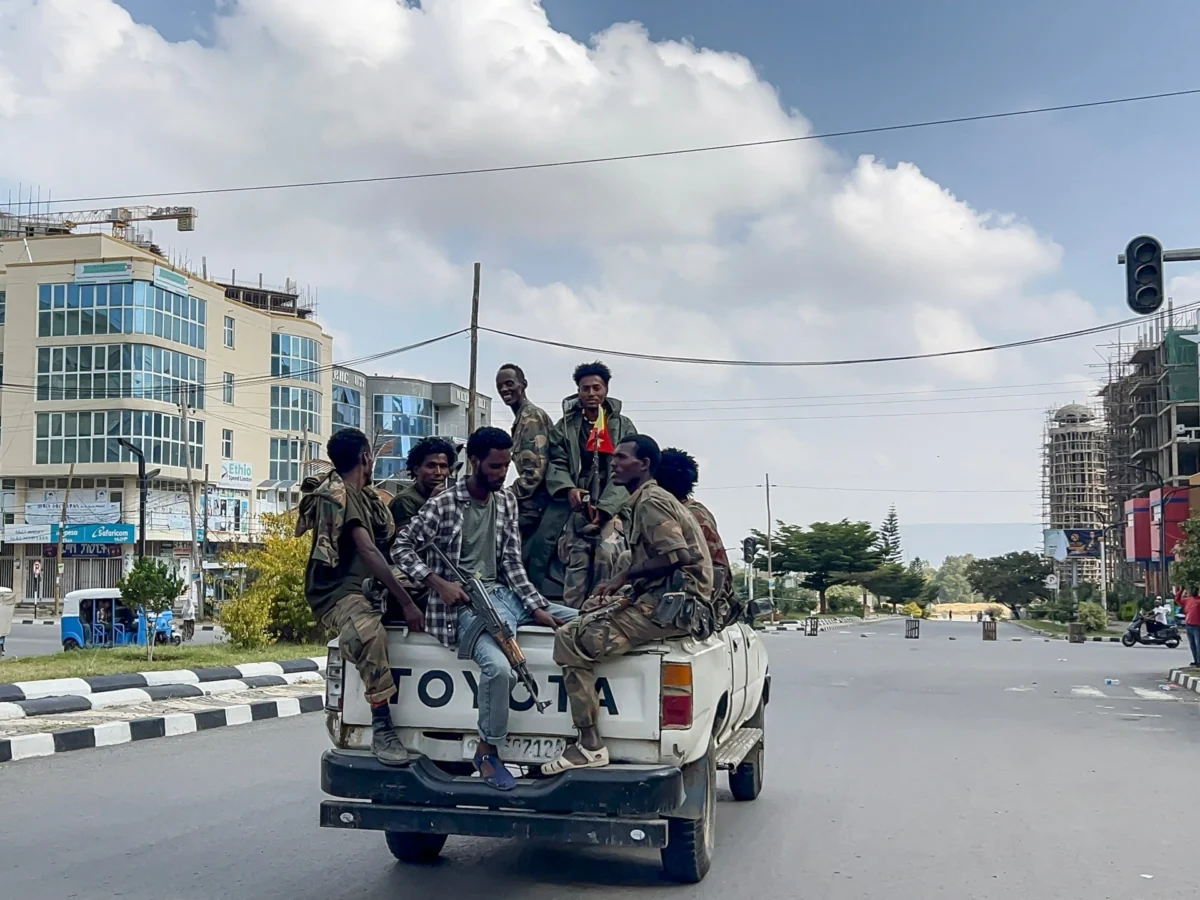
The Tigray conflict puts the UAE’s backing of Ethiopia and Saudi Arabia’s diplomatic role under scrutiny, raising questions about how both Gulf states navigate their involvement in Ethiopia’s war. The conflict, which has drawn international attention for its humanitarian toll and geopolitical stakes, highlights delicate diplomatic calculations by regional actors.
Both the United Arab Emirates and Saudi Arabia have long-standing relationships with Ethiopia, but the Tigray war complicates their strategies. The UAE has provided military and logistical support to Ethiopia, while Saudi Arabia has played a mediating and diplomatic role. These stances are now being tested as global scrutiny intensifies over civilian casualties and access to aid.
KEY FACTS
- The Tigray conflict puts UAE backing of Ethiopia under scrutiny.
- Saudi Arabia’s diplomatic role in Ethiopia is also under scrutiny.
- Both Gulf states have strategic interests tied to the outcome of the war.
Background: How Gulf States Became Involved in Ethiopia
The UAE and Saudi Arabia have deepened their engagement with Ethiopia in recent years, driven by trade, security, and regional influence. The UAE operates a military base in Eritrea, across the Red Sea from Ethiopia, and has supported Ethiopian government forces during the Tigray conflict. Saudi Arabia, meanwhile, has hosted peace talks and diplomatic initiatives aimed at de-escalation. Their involvement reflects broader competition for influence in the Horn of Africa, where instability can ripple across global shipping lanes and migration routes.
Gulf investment in Ethiopia—from port development to energy projects—has grown significantly, giving both nations economic stakes in a stable outcome. However, their alignment with the Ethiopian government has drawn criticism from human rights groups and Western allies. As the war continues, domestic and international pressure mounts on these Gulf states to clarify or adjust their positions.
What role do UAE and Saudi Arabia play in the Tigray conflict?
The UAE’s role in the Tigray conflict includes providing drones, logistical support, and training to Ethiopian federal forces, according to reports from regional analysts. Its military presence in Eritrea positions it strategically near conflict zones, enabling sustained engagement. Meanwhile, Saudi Arabia has leveraged its diplomatic clout to encourage dialogue between warring parties and coordinate humanitarian aid delivery. Both nations seek to balance their support for Ethiopia’s sovereignty with calls for peace and accountability.
Their actions have drawn mixed reactions. Some regional observers praise their efforts to stabilize the region, while critics argue their backing of the Ethiopian government shields it from external pressure to end hostilities. As international bodies push for independent investigations into alleged war crimes, the political exposure of these Gulf states grows.
WHAT WE KNOW — AND WHAT WE DON’T
Verified by the source:
- The Tigray conflict is putting UAE support for Ethiopia under scrutiny.
- Saudi Arabia’s diplomatic role in Ethiopia is also under scrutiny.
- Both Gulf states are active participants in the regional dynamics surrounding the war.
Still unconfirmed:
- The full extent of UAE military and financial support to Ethiopia.
- Details of ongoing or future Saudi-led mediation efforts.
- Official statements from either country regarding changes to their policy stance.
- Independent verification of specific claims about battlefield outcomes or aid access.
WHY IT MATTERS
The Tigray conflict is not just a regional crisis but a test of how global powers balance strategic partnerships with humanitarian responsibility. For readers concerned with international justice, migration, and global stability, the roles played by the UAE and Saudi Arabia—and how they evolve—will shape whether lasting peace takes root in the Horn of Africa. Learn more about geopolitical developments in war and geopolitics and how markets respond to global tension in economy and markets.
WHAT TO WATCH
Watch for potential shifts in UAE and Saudi policy as international pressure grows, including any official rebuttals or new diplomatic initiatives aimed at ending the Tigray conflict.