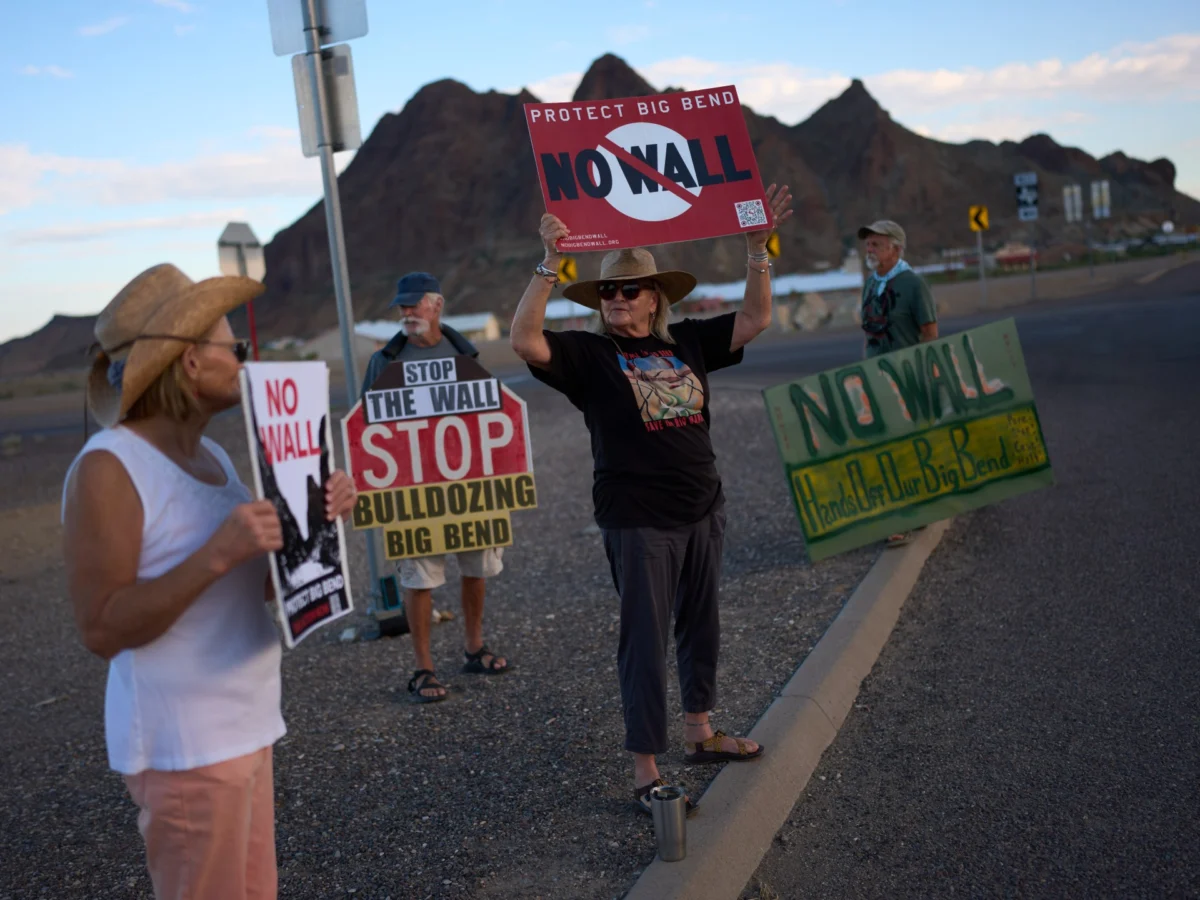
The Trump administration has asked the U.S. Supreme Court for approval to move forward with construction of a border wall at Big Bend on the Texas-Mexico border. This request comes after a federal judge blocked the wall’s construction as part of an ongoing legal fight. The dispute reflects broader tensions over border security policy and judicial oversight of executive branch actions.
The legal battle centers on competing interpretations of federal authority and environmental review requirements. Federal judges have increasingly scrutinized wall construction projects, weighing national security justifications against procedural and environmental concerns. The Supreme Court’s decision could reshape how future border infrastructure projects proceed.
Key Facts
- The Trump administration sought Supreme Court approval to build the Big Bend wall.
- A U.S. federal judge blocked construction of the wall on the Texas-Mexico border.
- The blockage is part of an ongoing legal battle over border wall construction.
The Story
What happens next?
If the Supreme Court grants the administration’s request, construction could resume at Big Bend. However, additional lawsuits may follow, particularly if environmental or procedural challenges remain unresolved. Legal experts note that Supreme Court intervention in such cases is relatively rare, making this a significant procedural step. The court’s reasoning will likely clarify how much deference it gives to executive claims of national security. Until then, the project remains in limbo. The outcome may also influence other pending wall disputes across the southern border. Courts have issued mixed rulings in recent years, creating an inconsistent legal landscape for border infrastructure. This patchwork increases uncertainty for both federal agencies and advocacy groups monitoring these cases. A Supreme Court ruling could establish a clearer precedent for future projects.
Who is affected?
The ruling will impact several groups, including federal agencies tasked with border security, environmental organizations, and local communities near the proposed Big Bend wall site. Indigenous tribes and landowners may also face changes to property access or environmental conditions. Additionally, legal advocates on both sides of immigration policy will watch closely. Conservation groups have previously raised concerns about ecosystem disruption in the region. National security officials argue that barriers enhance control over unauthorized crossings. Local businesses might experience shifts in cross-border commerce depending on traffic patterns. The decision could set a precedent affecting infrastructure projects beyond the border, influencing how courts evaluate emergency declarations or federal land use. For immigrants and asylum seekers, the physical barrier could alter migration routes and available legal entry points.
What We Know — and What We Don’
Verified by the source:
- The Trump administration formally asked the Supreme Court to permit construction of the Big Bend wall.
- A federal judge issued a block on construction along the Texas-Mexico border.
- The case is part of an ongoing legal dispute over border wall construction.
Still unconfirmed:
- The specific legal grounds cited by the federal judge for the block.
- Whether the Supreme Court has scheduled oral arguments.
- Details about funding mechanisms for the Big Bend wall project.
- Names of parties involved in the lawsuit.
- Estimated timeline for resolution.
Border wall disputes often highlight the tension between national security priorities and civil liberties, environmental protection, and land-use rights. These cases test the boundaries of executive power and judicial review in matters of public infrastructure. The Supreme Court’s involvement signals that this legal fight has broader implications for how future administrations pursue large-scale construction projects requiring federal approvals. Public attention remains high, as these decisions affect not only policy implementation but also the precedents established for democratic governance and checks and balances.
Why It Matters
This case underscores the ongoing national debate over immigration enforcement and border security. The Supreme Court’s involvement elevates a regional construction issue into a constitutional question about executive authority and judicial oversight. The outcome may influence how future presidents pursue emergency powers or bypass standard permitting processes. It also highlights deep divisions in American society regarding border policy and the rule of law. Regardless of the decision, thousands of related legal challenges are expected to follow.
With no clear timeline established, observers expect further filings from both sides before the Supreme Court acts. Legal scholars say the court may issue an emergency stay or schedule expedited briefings. Additional rulings from lower courts in similar cases could provide context. Updates will depend on whether the administration releases new justifications or Congress holds hearings on border funding.