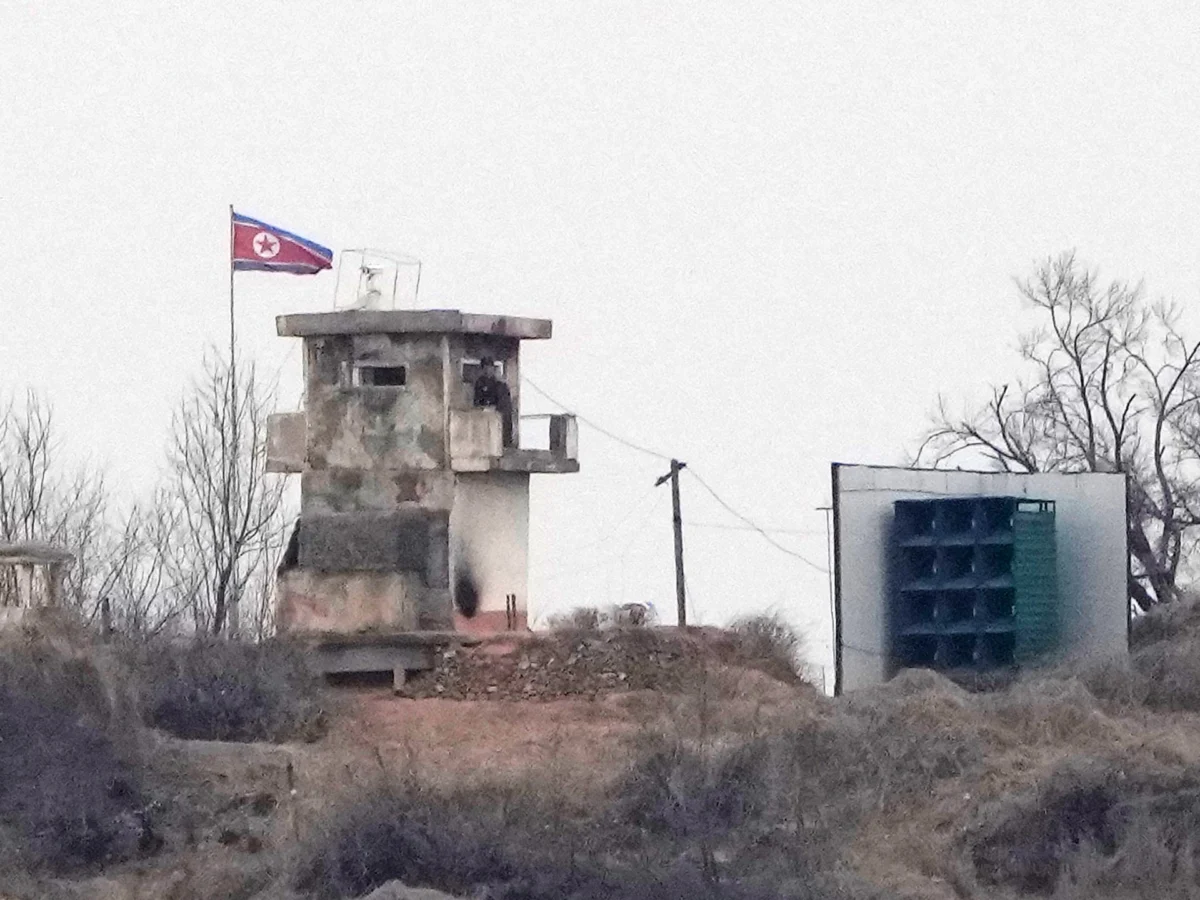
North Korea said it will resume propaganda propaganda broadcasts along the armed border with South Korea, a move that had previously been suspended as part of inter-Korean agreements.
The announcement came after North Korean state media reported renewed border tensions, though no specific date for the restart was given. South Korean officials responded by urging renewed dialogue, calling for calm and warning that such broadcasts could escalate regional instability.
The resumption of these broadcasts reflects ongoing friction between the two Koreas, which have periodically agreed and disagreed over cross-border propaganda efforts.
Key Facts
- North Korea plans to resume broadcasting anti-South Korea propaganda along the armed border.
- South Korea has urged dialogue in response to the planned broadcasts.
- The broadcasts target the heavily fortified inter-Korean border area.
- No specific timeline for restarting the broadcasts was provided.
- South Korea warned the move risks escalating regional instability.
What happens next?
The fate of the announced propaganda propaganda broadcasts depends largely on responses from both Koreas and broader regional actors. South Korea has signaled willingness to engage in dialogue, suggesting that diplomatic channels may be reopened to address the issue directly. The United States and other regional powers are also expected to monitor developments closely, particularly given past instances where similar confrontations led to temporary military alerts.
International observers note that past attempts to halt cross-border propaganda relied heavily on behind-the-scenes negotiations involving humanitarian and security concessions. If North Korea proceeds without prior coordination, it could strain existing monitoring mechanisms and reduce confidence-building measures. Conversely, if diplomatic engagement resumes quickly, there may be room for new frameworks governing future broadcasts and border conduct.
How did we get here?
For decades, both North and South Korea have used propaganda as a tool of psychological warfare, broadcasting messages across their shared border since the end of the Korean War in 1953. These transmissions, often including military marching songs, political commentary, and critiques of leadership, were formalized during periods of heightened tension. In recent years, agreements such as the 2018 Panmunjom Declaration included provisions to cease all hostile acts along the border, effectively halting most loudspeaker and radio-based propaganda activities.
However, those accords have shown signs of fragility amid stalled denuclearization talks and recurring military posturing. Disputes over naval drills, artillery exercises, and maritime boundaries have reignited rhetoric from both sides. This latest statement suggests that Pyongyang views propaganda propaganda broadcasts once again as a legitimate instrument of domestic mobilization and international pressure, especially amid stalled negotiations over sanctions relief and diplomatic normalization.
Verified by the source:
- North Korea plans to resume propaganda broadcasts along the armed border.
- South Korea has publicly urged dialogue regarding the issue.
- The border in question is the inter-Korean armed border.
Still unconfirmed:
- The exact date when broadcasts are expected to resume.
- The specific content or format of the proposed broadcasts.
- Whether direct negotiations between the two Koreas are currently underway.
- The level of support within North Korea’s leadership for resuming broadcasts.
The renewal of cross-border propaganda highlights persistent divisions on the Korean Peninsula, posing challenges not only for bilateral peace efforts but also for broader regional stability involving neighboring powers like China, Japan, and the United States.
North Korea’s decision to restart propaganda broadcasts may invite further diplomatic scrutiny or countermeasures unless resolved through negotiation.