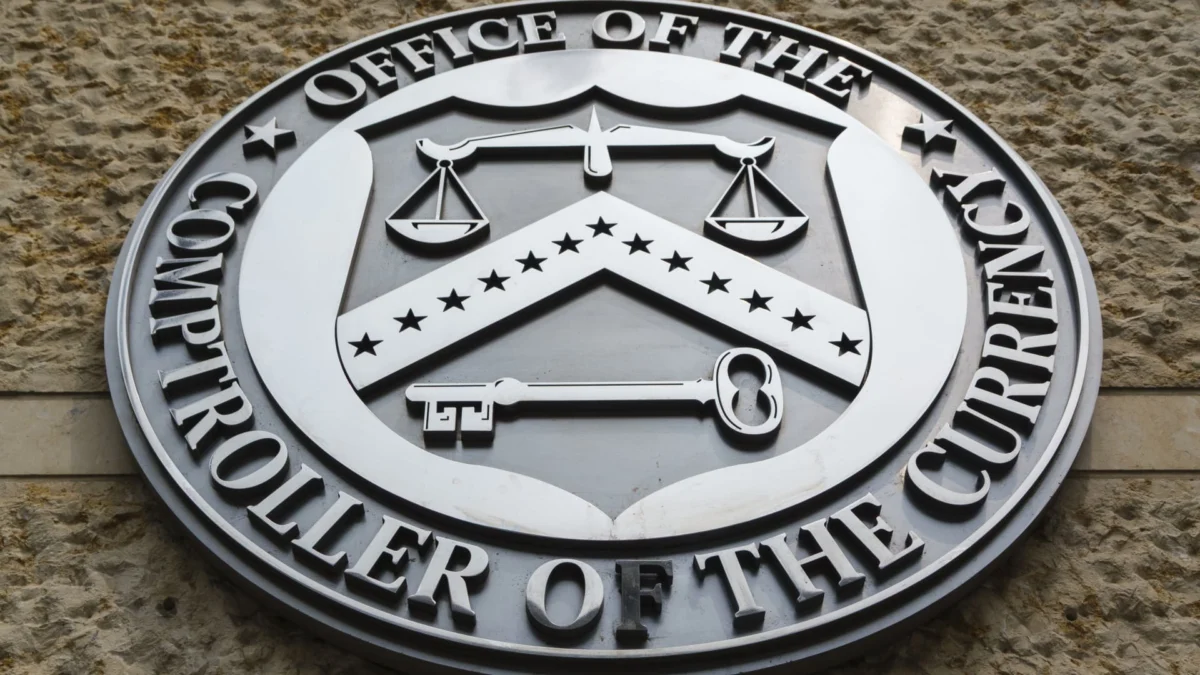
New Treasury Department findings suggest major banks may have allowed political considerations to influence access to banking services, potentially supporting long-standing concerns about bias in financial institutions.
According to reports, the Treasury’s review identified patterns where large financial institutions appeared to factor political preferences into decisions about which individuals or entities received banking services. These findings align with longstanding grievances raised by President Donald Trump and allies, who have repeatedly accused major banks of discriminating against conservative voices or causes.
KEY FACTS
- 3 U.S. Treasury Department findings point to potential political influence in major banks’ service decisions.
- Largest U.S. banks may have let politics influence who received banking services.
- Findings may support President Donald Trump’s claim of discrimination against conservatives.
- Focus is on banking services access related to political alignment.
- Category context: economy-markets implications under scrutiny.
What Did the Treasury Find?
The Treasury Department’s analysis reportedly examined how major financial institutions made decisions about extending or restricting banking services. While the full scope and methodology remain unclear, the central allegation centers on whether banks allowed political bias—specifically against conservative individuals or organizations—to shape access to basic financial tools such as accounts, loans, or payment processing.
Access to banking services is foundational for both personal finance and business operations. When banks are perceived as making decisions based on political considerations rather than financial criteria, it raises questions about fairness and equal access within the U.S. financial system.
How Did This Issue Arise?
President Trump and his supporters have frequently criticized major banks for allegedly refusing service to conservative figures or organizations, a practice sometimes referred to as “debanking.” This controversy has gained traction in public discourse, particularly amid broader debates about ideological bias in institutions. The Treasury’s reported findings now introduce a new layer of official interest into this ongoing political and economic debate.
This dynamic intersects with the economy-markets landscape, highlighting tensions between private sector decision-making and perceived fairness in access to essential financial infrastructure.
WHAT WE KNOW — AND WHAT WE DON’T
Verified by the source:
- The Treasury Department issued findings indicating major banks may have politicized access to banking services.
- The findings could reinforce Trump-era claims of conservative discrimination by financial institutions.
- The issue relates broadly to economy-markets concerns around access and fairness.
- No banks were specifically named in the summary source material.
- Exact methods and data used in the Treasury review were not detailed.
- No formal policy responses or next steps were outlined by officials.
Still unconfirmed:
Why It Matters
Fair access to banking services is critical for economic participation across all sectors of society. If political considerations are influencing these decisions, it affects not only individual consumers and businesses but also the broader integrity of the financial services industry. These allegations tap into wider national conversations about equity, institutional trust, and the role of government oversight in regulating private enterprise.
What To Watch
Further clarification from the Treasury Department or additional reporting may shed light on whether formal actions will follow the reported findings. Stakeholders across politics and finance are likely monitoring for any regulatory or legislative responses.