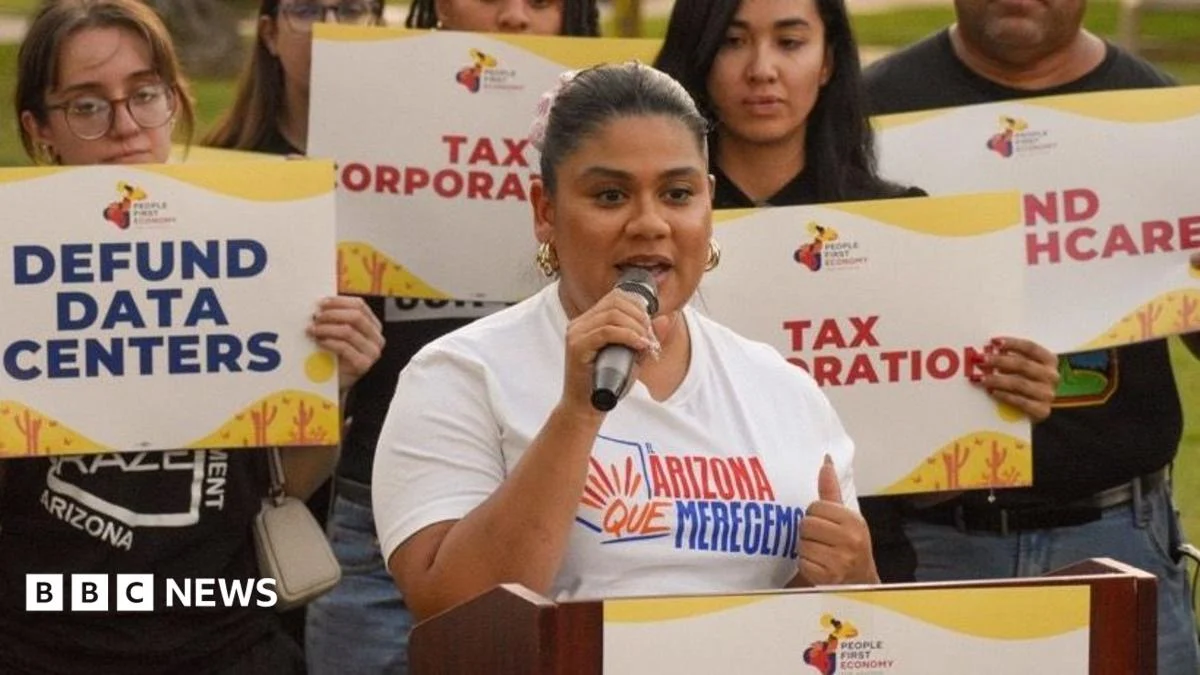
Data centre backlash is becoming a cross-party issue as the 2024 US midterm elections approach, with both Democrats and Republicans voicing opposition to new data centre development.
The backlash reflects broader concerns over the energy demands and local impact of data centres, raising questions about how the issue may influence voter sentiment in competitive races.
KEY FACTS
- Democrats and Republicans are both opposing data centre development.
- Backlash against data centres is growing across the United States.
- The issue is tied to the US midterm elections.
- BBC News reported on the trend.
Why data centre backlash matters now
Data centres house the servers that power internet services, cloud computing and artificial intelligence, but they consume large amounts of electricity and occupy significant land. Opposition often centers on local noise, traffic and power-grid strain, alongside wider debates about energy use and corporate influence.
This data centre backlash is not isolated to one party. Democratic officials have raised environmental and equity concerns, while Republican leaders have criticised federal subsidies and land-use restrictions tied to data centre projects. Both sides see political benefit in challenging developments that draw voter complaints.
How data centre opposition became an election issue
In recent years, proposals for large data centre campuses have faced protests in several states. Local resistance has delayed or blocked projects, prompting companies to seek zoning changes and taxpayer incentives that further fuel the data centre backlash.
With the US midterm elections approaching, candidates are adopting anti-data-centre language to appeal to constituents concerned about costs and community disruption. Some lawmakers have introduced or supported legislation aimed at limiting data centre tax breaks or requiring stricter environmental review.
What happens next for data centre development?
As the midterm elections near, the data centre backlash could push more states to reconsider zoning and incentive policies. Companies are already adjusting expansion plans in response to local opposition and changing political winds.
However, demand for cloud computing and artificial intelligence infrastructure remains high. The balance between data centre growth and community concerns will likely remain a contested issue in upcoming legislative sessions.
WHAT WE KNOW — AND WHAT WE DON’T
Verified by the source:
- Democrats and Republicans are opposing data centre development.
- A backlash against data centres is growing across the US.
- The topic is influencing the US midterm elections.
- BBC News reported these developments.
Still unconfirmed:
- Which specific states or localities are seeing the most opposition.
- The exact policies or bills being targeted by lawmakers.
- Whether the backlash will materially shift midterm election outcomes.
WHY IT MATTERS
This data centre backlash taps into wider debates about energy use, corporate subsidies and local control, issues that voters across party lines increasingly care about. How politicians respond may shape both data infrastructure investment and community planning for years to come.
WHAT TO WATCH
Watch for state-level legislation and candidate platforms that reference data centre restrictions as the US midterm elections draw closer, as reported by BBC News.