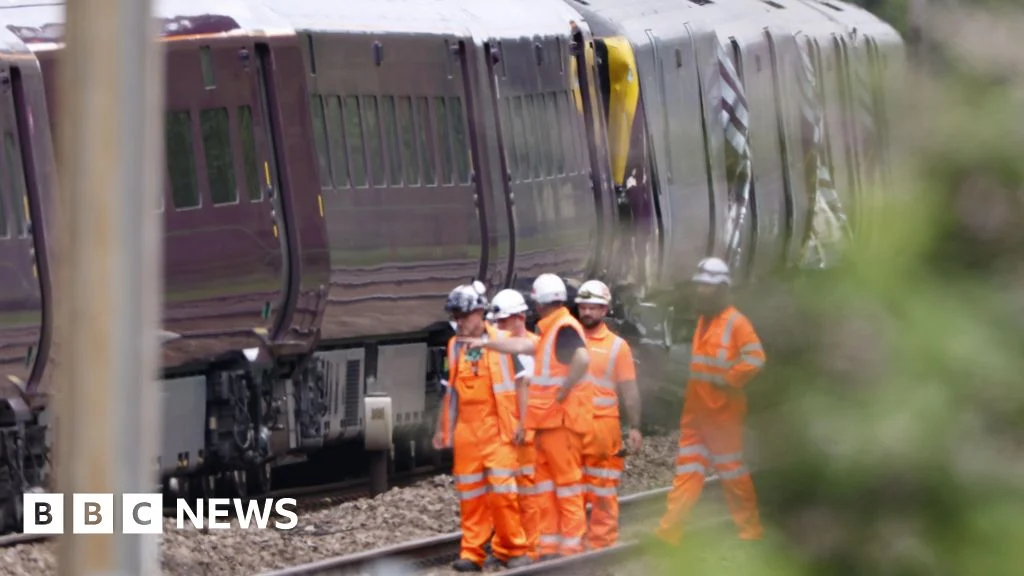
A commuter train ripped through the eastbound service on the Kent Line at 07:45 GMT, the great metal screech echoing through the morning mist.
Two passenger trains collided just outside the town of Ashford, killing the driver of the southbound train and injuring more than 30 passengers and crew members, according to the BBC.
The impact forced both trains to halt on the tracks, blocking the high‑speed route between London and the South East for hours.
What we know so far
Network Rail confirmed that the southbound train, a Class 365 electric multiple unit, failed to stop at a signal that was set at danger. The northbound service, a Class 800, entered the same block at normal speed, causing the collision.
Emergency services arrived within minutes. Paramedics treated 28 people on site; 12 were taken to hospitals in Ashford and Canterbury. The driver, identified as 45‑year‑old John Mercer, was pronounced dead at the scene.
Why does this matter?
Britain’s rail network moves more than 1.7 billion passengers a year. Any disruption ripples through commuter schedules, freight timelines and the broader economy. The economy and markets sector already feels pressure from rising fuel costs; a prolonged outage could push travel demand even lower.
Safety regulators are now under pressure to explain how a signal failure could lead to a fatal crash. The Office of Rail and Road (ORR) promised a full investigation, but the public wants answers now.
Impact on travellers
Southern Rail cancelled all services between London Victoria and Dover Priory until further notice. Alternative buses are ferrying passengers, but capacity is limited and delays stretch into the night.
Ticket holders for the affected routes will receive refunds, and the rail operator has set up a dedicated helpline. Some commuters are already switching to coach services or car‑pooling, highlighting the fragility of daily travel plans.
What happens next?
Investigators will examine signal logs, driver data recorders and CCTV footage. Preliminary reports suggest a possible technical fault, but human error cannot be ruled out.
Network Rail expects to clear the line by late evening, but full service restoration may take 24‑48 hours.
For now, families of the injured await updates, and commuters watch the news for any sign that their trains will run again.
Stay tuned as more details emerge on the cause of the collision and the steps being taken to prevent a repeat.