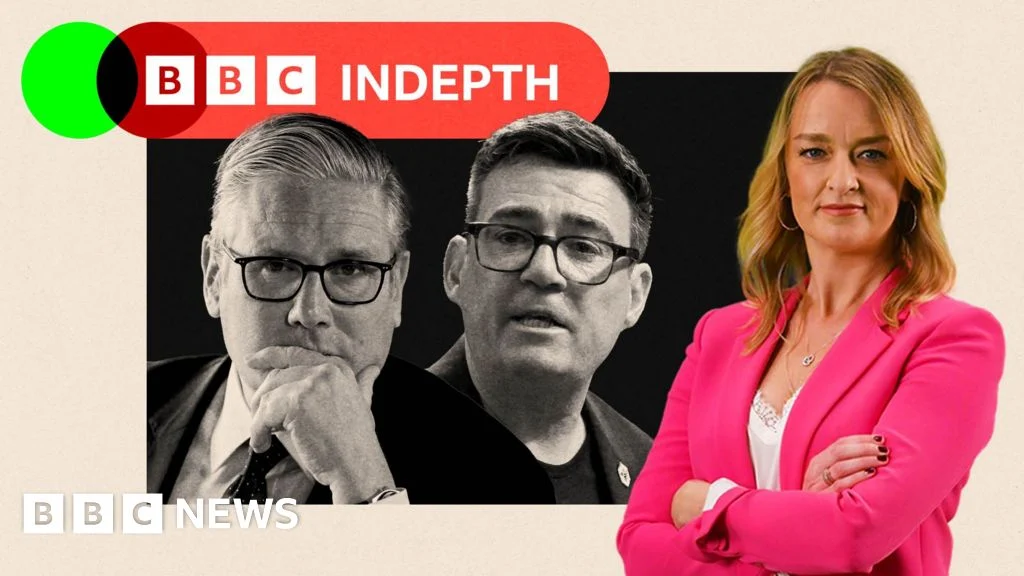
Keir Starmer’s chance of remaining prime minister is slipping after Andy Burnham’s unexpected victory in the Manchester by‑election.
The Manchester Gorton result, announced at 6:30 pm GMT on Tuesday, gave Labour 62.8% of the vote – a 12‑point swing from the 2024 general election and the highest share for any party in a by‑election since 1997.
Within hours, senior Labour figures who had publicly backed Starmer’s plan to fight on began to retreat. The momentum that once seemed to carry the party’s “stay‑in‑government” narrative has vanished.
Why does this matter?
Britons are watching whether Labour can still claim a mandate to govern. If Starmer loses the confidence of his own MPs, a leadership challenge could trigger a new election, reshaping policies on the economy, public services and the country’s post‑Brexit direction.
For everyday voters, the stakes are personal – from rent‑price caps to NHS waiting times – all hinging on whether the party can present a united front.
What happened in Manchester?
Burnham, the mayor of Greater Manchester, campaigned on a local‑focused platform: more devolution, cheaper transport and a pledge to protect council‑owned housing. His message resonated so strongly that the Liberal Democrats fell to 2.1% and the Conservatives to 8.6%, the lowest ever for the Tories in a major English city by‑election.
Labour’s national polling, which had shown Starmer at 40% support two weeks earlier, fell to 34% in the latest YouGov tracker released on Wednesday.
“The Burnham win is a clear signal that voters are tired of the ‘stay‑and‑fight’ rhetoric,” wrote BBC political editor Laura Kuenssberg. “Support for the prime minister is evaporating.”
Who is affected?
All 650 MPs feel the tremor. Backbenchers in marginal seats see a rising risk of losing to a united opposition. Trade unions, traditionally Labour’s backbone, are now questioning whether a leadership contest could jeopardise the party’s bargaining power.</n
Even businesses watching the economy and markets fear volatility: the pound dipped 0.3% against the dollar after the result, and the FTSE 100 slipped 45 points.
Opposition parties are already plotting their next moves. The Conservatives, bruised by poor local showings, are debating whether to call a snap general election or focus on rebuilding their north‑of‑England base.
What happens next?
Starmer has not yet addressed the media on the fallout. Inside Westminster, sources say the Labour whips are preparing a private meeting to gauge the appetite for a leadership challenge.
If a challenge materialises, the party would need to navigate a costly internal election while the country faces an energy cost‑of‑living crisis.
For now, the narrative of a “Starmer fight” is teetering on the edge of collapse, and the next week will decide whether it survives or dissolves.
Stay tuned as we track the internal Labour dynamics and the broader political ripple effects of Burnham’s win.