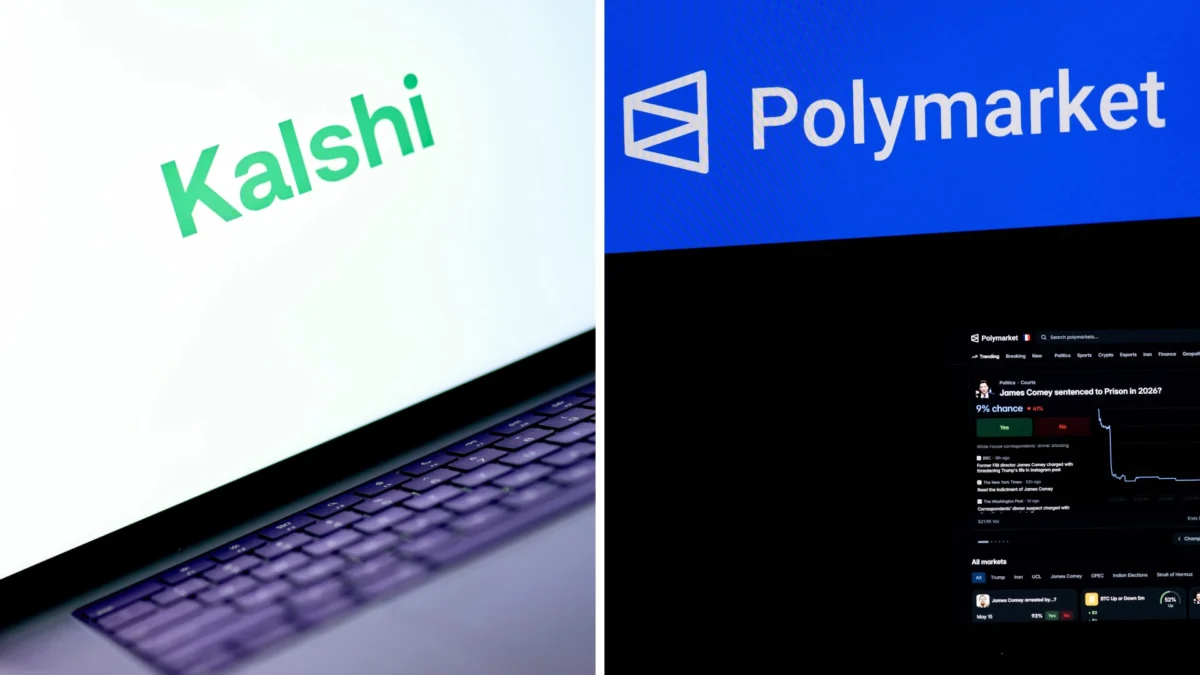
Trading volume scrutiny is intensifying on prediction markets Kalshi and Polymarket as reported activity reaches unprecedented levels. The surge, driven partly by election-related betting and macroeconomic events, has drawn attention from market observers who question whether the numbers reflect genuine user demand or artificial inflation.
Experts are debating whether the volume growth signals broader adoption or raises concerns about market integrity.
Key Facts
- Trading volume scrutiny is increasing on Kalshi and Polymarket.
- Unusual trading patterns are being observed on the platforms.
- Experts debate whether reported volumes reflect organic market activity.
- The scrutiny coincides with massive reported growth in trading activity.
- Questions focus on whether recent volume reflects genuine demand.
The Story
What is driving the scrutiny?
Trading volume scrutiny has grown alongside explosive activity on prediction markets. As retail and institutional interest surges, analysts examine whether the numbers represent authentic participation or suggest potential manipulation. Prediction markets allow users to bet on real-world events, making volume a key health indicator.
Recent activity includes bets on elections, inflation, and policy outcomes. When volumes spike sharply, observers look for explanations beyond organic demand. Unusual patterns may indicate bot trading or coordinated action.
Regulatory attention has historically followed rapid growth. Past cases show that unchecked volume inflation can undermine market credibility and invite intervention.
Who is affected?
Users, platforms, and regulators all face potential impact. Traders rely on accurate volume data to assess liquidity and pricing integrity. If activity is artificially inflated, fair pricing becomes difficult and trust erodes.
Platforms benefit from higher reported volume through increased visibility and fees. However, credibility damage from scrutiny can outweigh short-term gains. Reputational harm may deter serious institutional participation.
Regulators monitor these markets for signs of fraud or manipulation. Persistent questions about volume authenticity could lead to new oversight requirements or enforcement actions.
What happens next?
The outcome depends on whether platforms provide transparent data or regulatory bodies take action. Independent audits could clarify whether growth is organic. Until verification occurs, uncertainty will persist among investors and observers.
What We Know — and What We Don‹t
Verified by the source:
- Unusual trading patterns are reported on Kalshi and Polymarket.
- Trading volume scrutiny is increasing on these platforms.
- Experts are debating the authenticity of reported volumes.
- Massive growth in trading activity has occurred.
Still unconfirmed:
- The exact scale of recent volume increases.
- Whether any specific trading patterns are artificial.
- Which expert opinions support each side.
- Any response from Kalshi or Polymarket to the scrutiny.
Why It Matters
Prediction markets play an expanding role in public and private decision-making. When trading volume scrutiny intensifies, it highlights whether these platforms can scale sustainably while maintaining integrity. Public confidence affects broader adoption and the reliability of these markets as information tools.
See more coverage in economy and markets and trading and crypto. Meta description: Trading volume scrutiny is rising on Kalshi and Polymarket amid massive growth, as experts question whether activity reflects genuine market behavior.
What To Watch
Observers will watch whether platforms release audit data or regulators comment. Clarity on volume authenticity will determine whether current scrutiny fades or deepens.