Lede
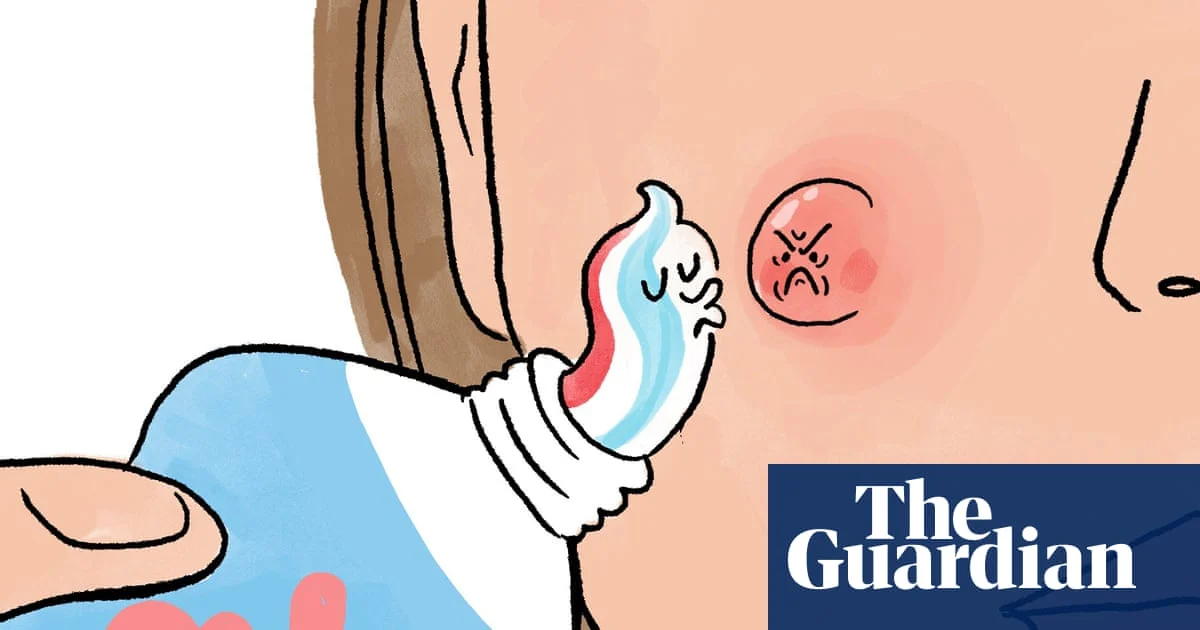
Toothpaste is not a scientifically proven or reliably safe spot treatment for pimples. While it may dry out a pimple temporarily, it can also irritate the skin and worsen acne. A dermatologist explains why the household remedy may do more harm than good.
The idea of using toothpaste to treat spots has circulated for years, but current dermatological insight suggests caution. Acne develops when pores become blocked, oil production increases, and bacteria linked to skin health multiply. Because toothpaste contains ingredients that can dry or irritate skin, applying it directly to a pimple carries risks alongside any potential benefit.
Key Facts
- Toothpaste may dry out a pimple but can also make skin worse.
- Acne forms when sebaceous glands become plugged and inflamed.
- Acne involves blocked pores, excess sebum, and Cutibacterium acnes bacteria.
- Dermatologists caution against toothpaste as a spot treatment.
- The guardian reported on toothpaste spot treatment myths.
How Did Toothpaste Become a Spot Treatment?
The use of toothpaste on pimples appears rooted in its drying effect, which some people associate with clearing skin issues. However, toothpaste contains ingredients such as baking soda, alcohol, and fragrances that can disrupt the skin barrier. These components may cause redness, peeling, or allergic reactions in some individuals. Without clinical testing or dermatological endorsement, the practice remains anecdotal rather than evidence-based.
What Happens Next for Acne Treatment?
With increasing access to over-the-counter acne products containing ingredients like benzoyl peroxide or salicylic acid, experts encourage targeted treatments backed by research. These products are designed specifically for skin concerns and are less likely to cause irritation. As awareness grows about skin-safe remedies, the trend of using household items like toothpaste on acne may continue to decline in favor of proven alternatives.
What We Know — and What We Don’t
Verified by the source:
- Toothpaste may dry out a pimple.
- Toothpaste may worsen skin conditions.
- Acne develops from plugged and inflamed sebaceous glands.
- Blocked pores, increased sebum, and Cutibacterium acnes contribute to acne.
Still unconfirmed:
- No specific toothpaste ingredients identified.
- No clinical studies cited on toothpaste efficacy.
- No alternative treatments recommended in detail.
- No official medical guidelines referenced.
Why It Matters
Misinformation about DIY beauty remedies can lead people to try unproven or harmful treatments. When dealing with skin concerns like acne, relying on dermatologist-approved methods reduces the risk of irritation and promotes healthier outcomes. Understanding what actually works—and what doesn’t—helps readers make informed decisions about their skincare routines.
What To Watch
Further reporting from trusted health sources may clarify whether common household items have any legitimate role in acne management. Until then, dermatologists generally advise sticking to products tested for facial skin use.