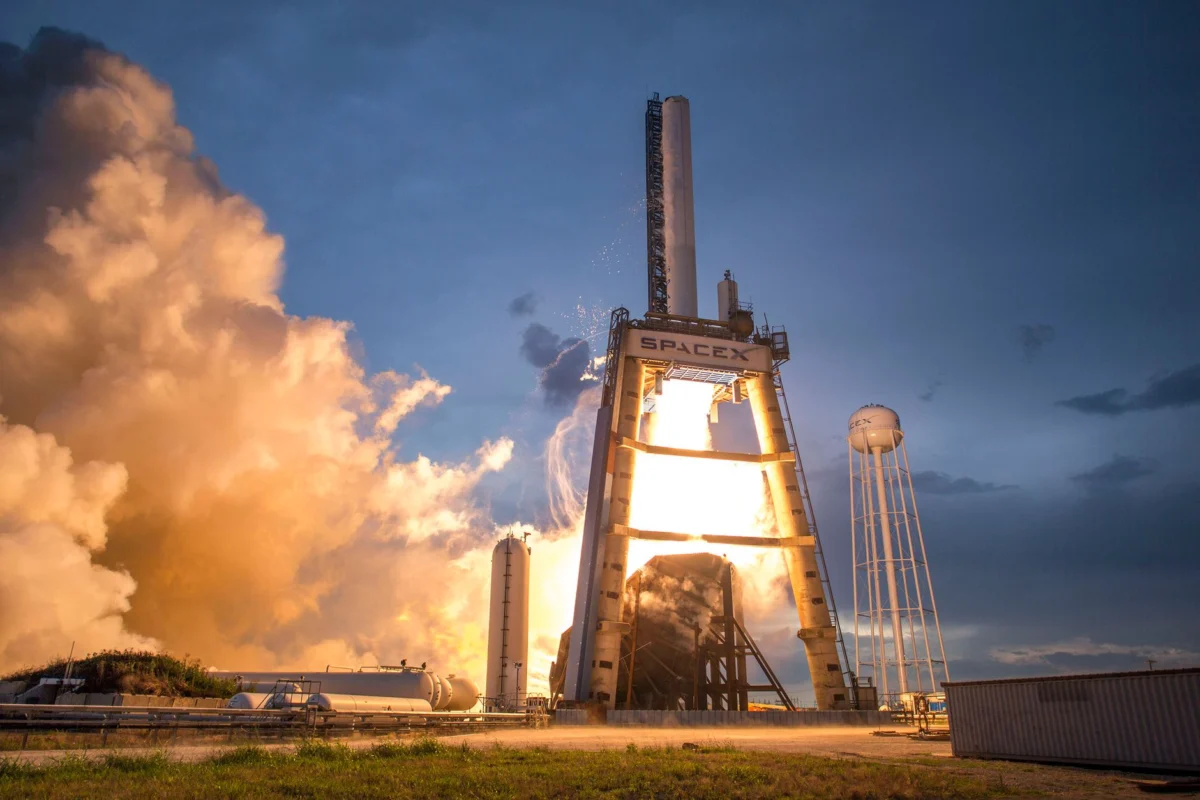
SpaceX blasted a payload into orbit for the 578th time last week – a record‑breaking pace that would have seemed impossible a decade ago.
Tom Mueller, the rocket‑engine pioneer who helped build the Merlin and Raptor engines, says that rhythm is doing more than filling orbital slots; it is rewriting the math of the space economy.
“We’re now firing rockets every few days, not once a month,” Mueller told marketscreener.com. “That frequency slashes launch costs, opens market niches and forces a cascade of new services – from on‑demand satellite constellations to micro‑gravity manufacturing.”
Why does this matter?
The space economy, a term coined by analysts in the early 2010s, was valued at roughly $470 billion in 2023. Mueller estimates that SpaceX’s launch cadence alone could add $12 billion to that total by 2027, primarily by lowering the price per kilogram to under $2,000.
Lower launch costs mean more companies can afford to put payloads in orbit, which in turn fuels demand for ground‑segment services, data analytics, and downstream applications like Earth‑observation AI. For the average investor, that translates into a broader market of publicly traded firms – think satellite telecoms, space‑based logistics, and even insurers underwriting orbital risk.
What happens next?
Mueller points to three trends that will amplify the space economy’s growth:
- Re‑usability at scale: Falcon 9 and Starship turn‑around times are now measured in days, not months, further compressing price.
- Constellation economics: Companies such as OneWeb and Project Kuiper are ordering thousands of satellites, creating a steady stream of launch contracts.
- New markets: In‑orbit servicing, debris removal and on‑orbit manufacturing are moving from concept to commercial pilots.
Each trend creates a ripple effect across the economy and markets landscape, spawning supply‑chain opportunities that ripple through aerospace, semiconductor, and software sectors.
Critics warn that a flood of satellites could congest low‑Earth orbit and raise regulatory hurdles, but Mueller argues that competition will drive better traffic‑management tech, not stifle it.
For anyone watching the markets, the key takeaway is simple: SpaceX’s launch cadence is turning space from a niche curiosity into a mainstream economic engine. The next few years will likely see a surge of IPOs and M&A activity as investors chase the upside of the burgeoning space economy.
Stay tuned as analysts refine revenue forecasts and regulators grapple with the new orbital reality – the space economy’s next chapter is just beginning.