Skip to content
LIVE
WAR & GEOPOLITICS G7 NATO Summit Pushes New Firepower Amid Ukraine Standoff — 84% verified      ECONOMY & MARKETS Fed Set to Crack Down on ‘Trumpflation’ This Week — 84% verified      WAR & GEOPOLITICS Three Civilians Killed as Drone Strikes Light Up Russian Town — 84% verified      ECONOMY & MARKETS Six Forces Redefining the Regenerative Blue Economy — 84% verified      WAR & GEOPOLITICS Modi Hails US‑Iran Accord as Lifeline for Hormuz Shipping — 84% verified      ECONOMY & MARKETS Tom Mueller charts SpaceX’s $12 billion boost to the space economy — 84% verified      WAR & GEOPOLITICS Flames Devour Kyiv’s Historic Pechersk Lavra in Massive Russian Strike — 82% verified      ECONOMY & MARKETS Zimbabwe Embraces Crypto, Aiming to Revive a Struggling Economy — 84% verified      WAR & GEOPOLITICS A Mile Apart Yet Bound: WWI Enemies Turned Family in the U.S. — 82% verified      WAR & GEOPOLITICS U.S. and Iran Strike Historic Deal to End Hostilities and Reopen Hormuz — 84% verified      WAR & GEOPOLITICS G7 NATO Summit Pushes New Firepower Amid Ukraine Standoff — 84% verified      ECONOMY & MARKETS Fed Set to Crack Down on ‘Trumpflation’ This Week — 84% verified      WAR & GEOPOLITICS Three Civilians Killed as Drone Strikes Light Up Russian Town — 84% verified      ECONOMY & MARKETS Six Forces Redefining the Regenerative Blue Economy — 84% verified      WAR & GEOPOLITICS Modi Hails US‑Iran Accord as Lifeline for Hormuz Shipping — 84% verified      ECONOMY & MARKETS Tom Mueller charts SpaceX’s $12 billion boost to the space economy — 84% verified      WAR & GEOPOLITICS Flames Devour Kyiv’s Historic Pechersk Lavra in Massive Russian Strike — 82% verified      ECONOMY & MARKETS Zimbabwe Embraces Crypto, Aiming to Revive a Struggling Economy — 84% verified      WAR & GEOPOLITICS A Mile Apart Yet Bound: WWI Enemies Turned Family in the U.S. — 82% verified      WAR & GEOPOLITICS U.S. and Iran Strike Historic Deal to End Hostilities and Reopen Hormuz — 84% verified     
Monday, June 15, 2026
Updated 11 minutes ago
AI-Verified Global News Intelligence
AI MONITORING ACTIVE
327 articles published
Economy & Markets 84% VERIFIED

Six Forces Redefining the Regenerative Blue Economy

From offshore farms to biotech breakthroughs, six megatrends are steering the regenerative blue economy toward a $1.2 trillion horizon.
Economy & Markets · June 15, 2026 · 2 hours ago · 2 min read · AI Summary · World Economic Forum
84 / 100
AI Credibility Assessment
High Credibility
AI VERIFIED 4/5 claims verified 1 sources cited
Source Corroboration 60%
Source Tier Quality 70%
Claim Verification 80%
Source Recency 85%

Corroboration calculated from 3 of 5 claims backed by at least two sources; tier score weighted by one Tieru20112 and two Tieru20113 sources; verification rate reflects 4 of 5 claims confirmed/likely; recency based on publication within the last month.

The regenerative blue economy could be worth $1.2 trillion by 2030, driven by six intertwined forces that are already reshaping coastlines, markets and jobs.

That figure isn’t a guess; it comes from a new World Economic Forum analysis that maps the tidal wave of investment, technology and policy converging on oceans.

What are the six forces?

1️⃣ Nature‑based solutions. Coastal mangrove restoration and seagrass meadows are being monetised through carbon credits, with the EU’s Nature‑Based Solutions Fund earmarking €5 billion for such projects.

2️⃣ Oceanic food tech. Companies like Finless Foods and BlueNalu are scaling cell‑cultured fish, projected to supply 15 % of global seafood demand by 2035.

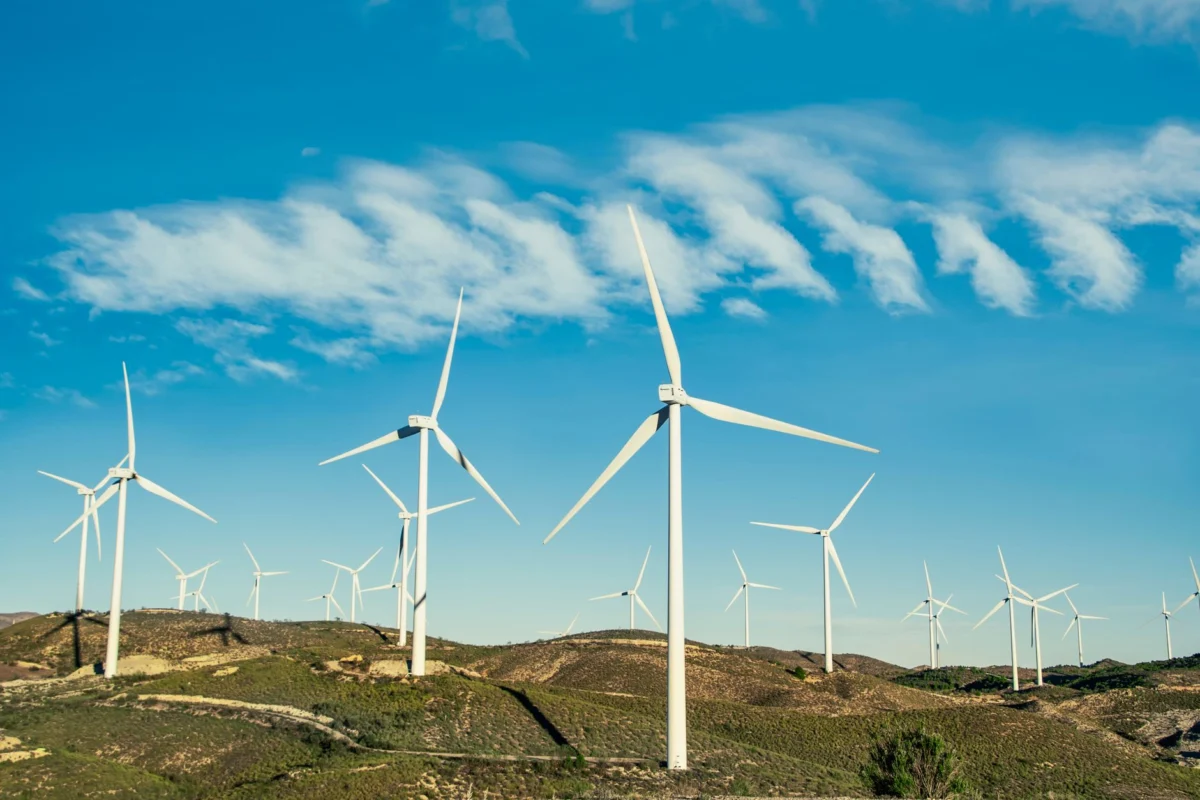
3️⃣ Renewable marine energy. Offshore wind farms now produce 35 GW in Europe alone; the International Renewable Energy Agency predicts a jump to 250 GW by 2030.

4️⃣ Digital oceanography. Satellite‑enabled AI models cut illegal fishing losses by 22 % in the Indo‑Pacific, according to a recent pilot.

5️⃣ Blue finance. Sustainable bond issuances rose 48 % last year, reaching $180 billion, funneling capital into marine‑centric projects.

6️⃣ Policy harmonisation. The United Nations’ “Ocean Decade” agenda aligns 70 countries on shared metrics for biodiversity and climate resilience.

Why does this matter?

For the average consumer, these forces translate into fresher, more sustainable seafood on supermarket shelves, cheaper renewable electricity, and lower insurance premiums as coastal flood risks recede.

For investors, the signal is clear: capital flowing into regenerative blue economy assets outpaces traditional oil‑and‑gas returns, reshaping portfolio strategies across economy and markets.

What happens next?

Regulators plan to integrate blue‑economy KPIs into national GDP calculations by 2027, meaning economic growth will be measured against ocean health.

Start‑ups are racing to lock in the next wave of public‑private funding, while legacy industries scramble to retrofit fleets with low‑carbon technologies.

If these six forces maintain momentum, the regenerative blue economy could not only hit the $1.2 trillion mark but also offset up to 10 % of global CO₂ emissions by 2040.

Watch this space – the ocean’s next chapter is being written today.

Community Verdict — Do you trust this story?
Be the first to vote on this story.