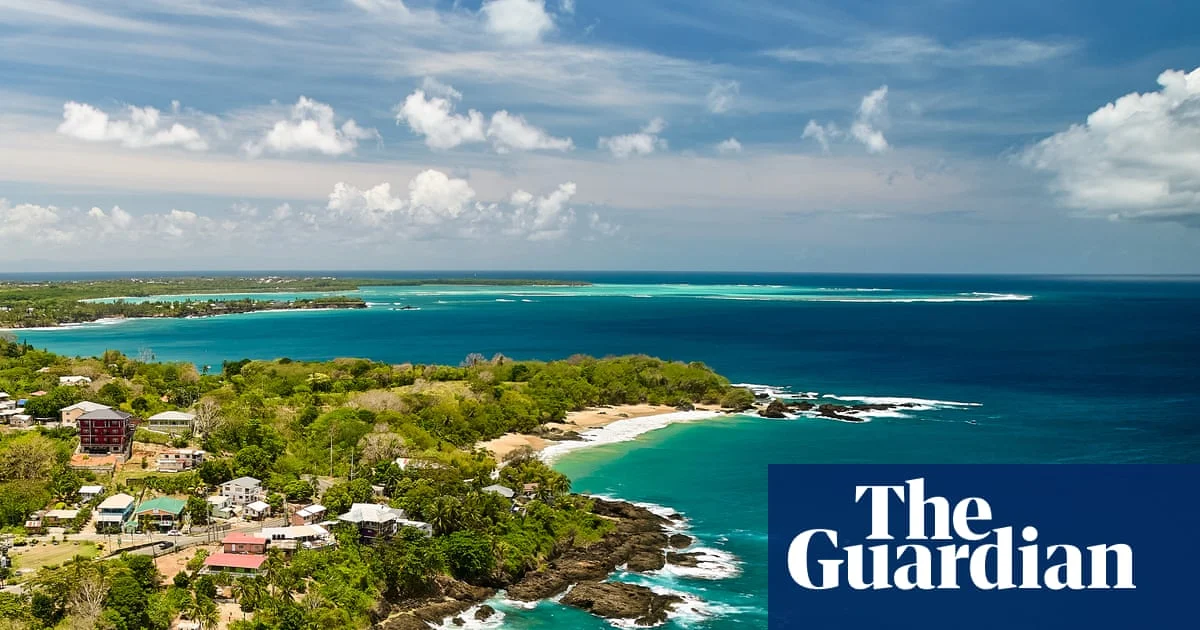
Tourism expansion in southwest Tobago has sparked a bitter dispute over the future of Rocky Point, where a proposed 200-room project threatens ecologically sensitive coastal habitat.
Developers pushing large-scale construction are pitted against conservationists who advocate for smaller, community-led tourism initiatives designed to preserve the area’s natural environment, including its protected turtle nesting sites and dense coastal vegetation.
Key Facts
- A 200-room tourism project is proposed at Rocky Point in southwest Tobago.
- Developers favor large-scale development; conservationists prefer smaller schemes.
- The site includes turtle nesting areas and dense coastal vegetation.
- Local communities are divided over economic benefits versus environmental protection.
- The beach features coral reefs, dark rock formations, and native fruit trees.
Background: Why This Spot Matters
Rocky Point, located along Back Bay in southwest Tobago, is part of a roughly 500-meter stretch of undeveloped coastline. Its sandy beach is fringed by coral reefs and dark rock formations, while the surrounding terrain is thickly covered in bush and shrubs, creating an ecosystem resembling a coastal rainforest.
This area supports biodiversity, including fruit-bearing trees such as almonds, sea grapes, and coconuts, as well as the poisonous manchineel tree, which is common on Caribbean coastlines. The presence of turtle nesting sites underscores the ecological value of preserving the site in its natural state.
Who Is Affected by Tourism Expansion?
Local residents and Indigenous or traditional communities live near Rocky Point and have varying views on the potential economic gains from large tourism projects versus long-term environmental risks. Conservationists argue that smaller, incremental developments owned and operated by the community can deliver sustainable benefits without compromising fragile ecosystems.
Developers and investors see the 200-room project as a major opportunity to boost employment, attract international visitors, and stimulate local commerce. However, critics warn that unchecked tourism expansion could accelerate habitat degradation, disrupt wildlife migration patterns, and reduce community control over land use decisions.
What Happens Next?
The fate of tourism expansion at Rocky Point now rests with Tobago’s regulatory agencies and local stakeholders. No public timeline has been announced for reviewing the 200-room proposal, and neither developers nor conservation groups have issued official statements confirming next steps.
Environmental impact assessments, community consultations, and legislative hearings are likely required before any construction begins. The outcome will signal whether Tobago prioritizes eco-sensitive tourism growth or embraces larger-scale infrastructure investments aimed at revitalizing its economy post-pandemic.
What We Know — and What We Don’t
Verified by the source:
- A 200-room tourism project is proposed at Rocky Point.
- Developers and conservationists hold opposing views on scale of development.
- The location includes turtle nesting areas and coastal vegetation.
- The beach is part of Back Bay.
Still unconfirmed:
- No specific developer names or company details were provided.
- Dates, timelines, or hearing schedules are not mentioned.
- Exact number of affected households or businesses is unknown.
- Government response or policy stance remains unclear.
Why It Matters
The tourism expansion debate at Rocky Point reflects broader tensions across the Caribbean, where nations must balance economic recovery through visitor spending against urgent climate adaptation and biodiversity conservation needs. How Tobago manages this conflict could set a precedent for responsible coastal tourism development regionally, influencing investor behavior and community resilience alike.
What To Watch
All eyes are on Tobago’s environmental regulators as they evaluate the 200-room proposal. Future announcements regarding impact studies, public consultations, or revised zoning laws will determine whether conservation or commercial interests prevail in shaping the island’s shoreline future.