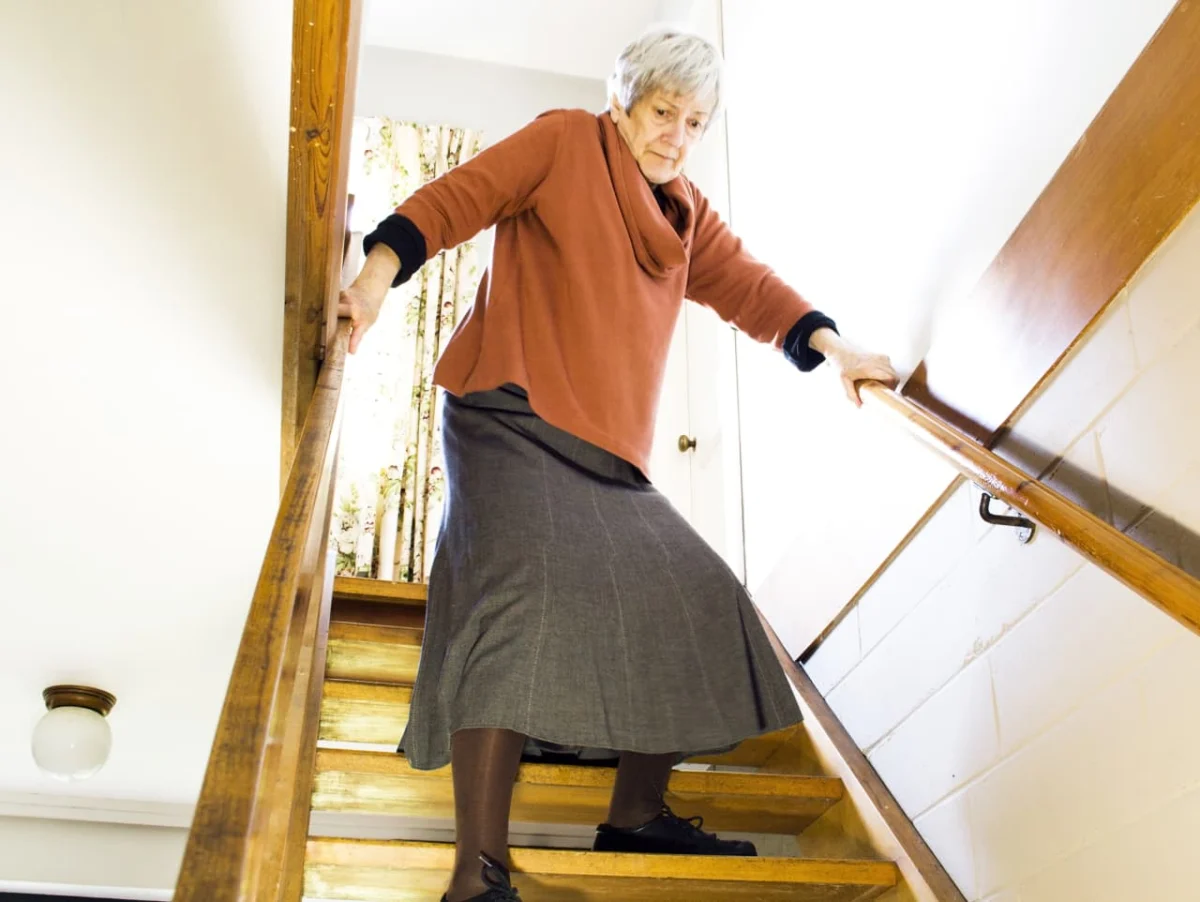
A friend in her 80s fell down her basement stairs and developed pleural effusion, a condition where fluid builds up between the lungs and ribs, compressing the lungs and making breathing difficult. The incident highlights how everyday household features like basement stairs can pose serious risks to older adults. The pain from such injuries can be excruciating, and older individuals are particularly vulnerable to complications from falls.
Basement stair falls are an under-discussed but significant hazard in homes, especially for seniors. These falls often occur in poorly lit areas with steep steps and no handrails, creating ideal conditions for slips and trips. The resulting injuries can range from minor bruises to life-threatening internal damage. In this case, the fall led to pleural effusion, a medical emergency requiring prompt treatment. Awareness of these risks is crucial for families looking to protect elderly relatives from harm.
KEY FACTS
- A person in her 80s fell down basement stairs.
- The fall resulted in pleural effusion.
- Pleural effusion is fluid between the lungs and ribs.
- The fluid compressed the lungs, causing breathing difficulty.
- The pain was described as excruciating.
The Incident and Its Medical Consequences
The fall occurred in a typical residential basement, a space often used for storage or laundry. Basements frequently lack proper lighting, and stairs may not meet modern safety standards. For older adults, even a minor stumble can lead to severe consequences due to brittle bones and reduced balance. In this case, the impact from the fall caused internal trauma, leading to fluid accumulation around the lungs.
Pleural effusion is a serious condition that requires immediate medical attention. The buildup of fluid in the pleural space puts pressure on the lungs, reducing their ability to expand fully. Symptoms include shortness of breath, chest pain, and in severe cases, respiratory failure. Treatment typically involves draining the fluid with a needle or catheter, followed by addressing the underlying cause.
Preventing Future Falls at Home
Homes, especially those occupied by elderly individuals, should be regularly assessed for fall risks. Simple modifications such as installing handrails on basement stairs, improving lighting, and removing clutter can make a significant difference. Grab bars near steps and non-slip treads are additional safety measures that families can implement. Regular check-ups with healthcare providers can also help identifybalance issues or vision problems that increase fall risk.
Public health experts recommend that caregivers take proactive steps to create safer living environments for seniors. While not all falls can be prevented, many can be avoided through awareness and simple home improvements. Educating family members about these risks is an important step in reducing injury rates among the elderly population.
What We Know — and What We Don’t
Verified by the source:
- The individual was in her 80s.
- She fell down basement stairs.
- She developed pleural effusion from the fall.
- The fluid compressed her lungs.
- She experienced excruciating pain.
Still unconfirmed:
- The exact location of the incident.
- The date or time of the fall.
- The individual’s full recovery status.
- Whether any safety measures were in place.
- Long-term effects of the injury.
Why It Matters
Falls are a leading cause of injury and death among older adults, and household hazards like basement stairs are common culprits. Understanding these risks helps families take preventive action. Public awareness campaigns and home safety assessments can reduce hospitalizations and improve quality of life for seniors. [1] Explore more about healthcare costs and safety trends in our economy and markets coverage.
What To Watch
Future developments may include updated home safety guidelines from health authorities. Families are encouraged to review their living spaces for potential hazards. For ongoing updates on public health and safety, follow our health and science reporting.