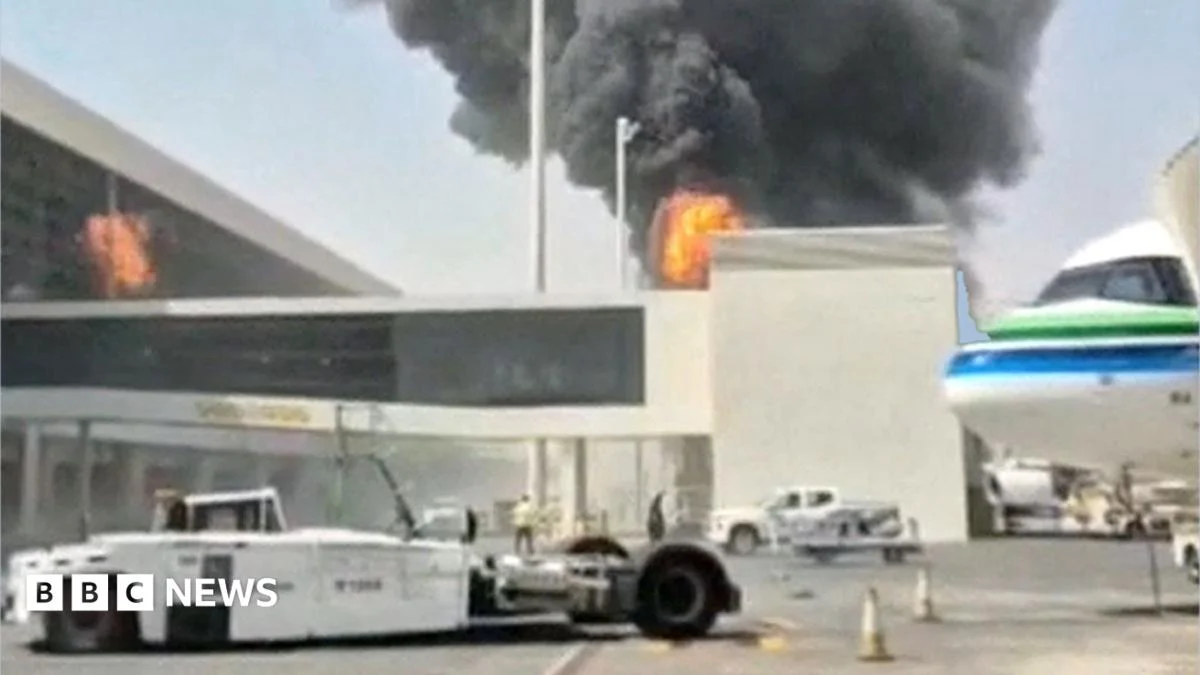
Three Saudi nationals were killed in Houthi attacks on Riyadh airport, according to BBC News. The incident occurred as part of an escalating conflict between the Iran-backed Houthi group and Saudi Arabia, which supports Yemen’s government. The attacks highlight ongoing hostilities in a region already plagued by instability and prolonged warfare.
The missile strikes underscore the growing volatility between rival factions in Yemen and their regional allies. While casualties have been reported, broader implications remain unclear without further details from officials. This development adds to a pattern of cross-border hostilities that have unsettled populations and infrastructure across the area.
Key Facts
- Three Saudi nationals killed in Houthi attacks on Riyadh airport.
- Missile attacks coincide with escalation between Houthis and Saudi Arabia.
- Houthis are described as Iran-backed; Saudi Arabia backs Yemen’s government.
What Happened at Riyadh Airport?
According to BBC News, the Houthi group carried out missile attacks targeting Riyadh airport. These strikes resulted in the deaths of three Saudi nationals. No additional information regarding timing or specific military response has been provided by the source. Such incidents reflect a broader campaign often involving aerial or rocket-based assaults aimed at strategic installations within Saudi territory. Casualty reports typically emerge after initial assessments by security or emergency services, though exact protocols may vary depending on the nature of the attack.
Infrastructure targets like airports remain high-value objectives due to symbolic significance and operational impact. Previous similar incidents have disrupted flights and heightened alertness among domestic defense forces. However, this latest report focuses solely on fatalities and does not include damage assessments or follow-up actions. As with many conflict-related events, verifying details can prove challenging amid active hostilities.
Who Is Affected by the Escalation?
Civilians and state institutions bear the brunt whenever attacks occur near populated areas such as capital cities. In this case, ordinary travelers and airport personnel were present when the missiles struck Riyadh airport. Families of the deceased Saudi nationals now face loss amid an environment where such tragedies are unfortunately common during wartime. Regional governments also experience pressure to protect borders and respond appropriately to perceived threats.
Beyond immediate victims, international actors monitor developments closely given potential ripple effects on energy markets, diplomatic relations, and humanitarian aid efforts. Travel advisories may shift accordingly based on evolving risks around key transit hubs. Despite limited public disclosure from official channels, patterns of retaliation or ceasefire attempts often shape future trajectories of these clashes.
How Did We Get Here?
Tensions trace back years to the outbreak of civil war in Yemen, pitting the Houthi movement against internationally recognized authorities supported by Saudi Arabia. Over time, external powers became involved—most notably through alleged backing of opposing sides, including claims of Iranian support for the Houthis. From there, proxy battles expanded beyond Yemeni soil into neighboring regions, particularly along Saudi borders. Periodic flare-ups involve cross-border raids, drone incursions, and targeted bombings meant to destabilize enemy strongholds or symbols of authority.
BBC News situates these latest Houthi attacks within this ongoing dynamic, emphasizing how each side continues leveraging asymmetric warfare tactics despite nominal peace talks. Without access to independent verification or corroborated narratives, observers must rely heavily on media outlets reporting from contested zones or statements issued by government sources.
What We Know — and What We Don’t
Verified by the source:
- Houthi attacks struck Riyadh airport and caused fatalities.
- At least three Saudi citizens died as a result of the attack.
- Saudi Arabia supports Yemen’s internationally recognized government.
- The Houthis receive backing from Iran, per BBC reporting.
Still unconfirmed:
- Exact time and date of the attack.
- Number of injured individuals involved.
- Identity or rank of any victims beyond nationality.
- Official Saudi or Houthi responses to the incident.
- Extent of material damage at Riyadh airport.
Why It Matters
This incident reflects deeper regional fractures rooted in competing influences over Yemen’s future. For global audiences, such escalations raise concerns about spillover effects on energy supply chains, refugee movements, and international security cooperation. Understanding these dynamics helps contextualize seemingly isolated acts of violence within larger geopolitical struggles.
What To Watch
Updates will depend largely on whether either party issues formal statements or if additional attacks follow. Diplomatic engagement or renewed negotiations could signal attempts to de-escalate tensions. Readers should watch for confirmed casualty figures, official reactions, and potential shifts in regional policy post-incident.