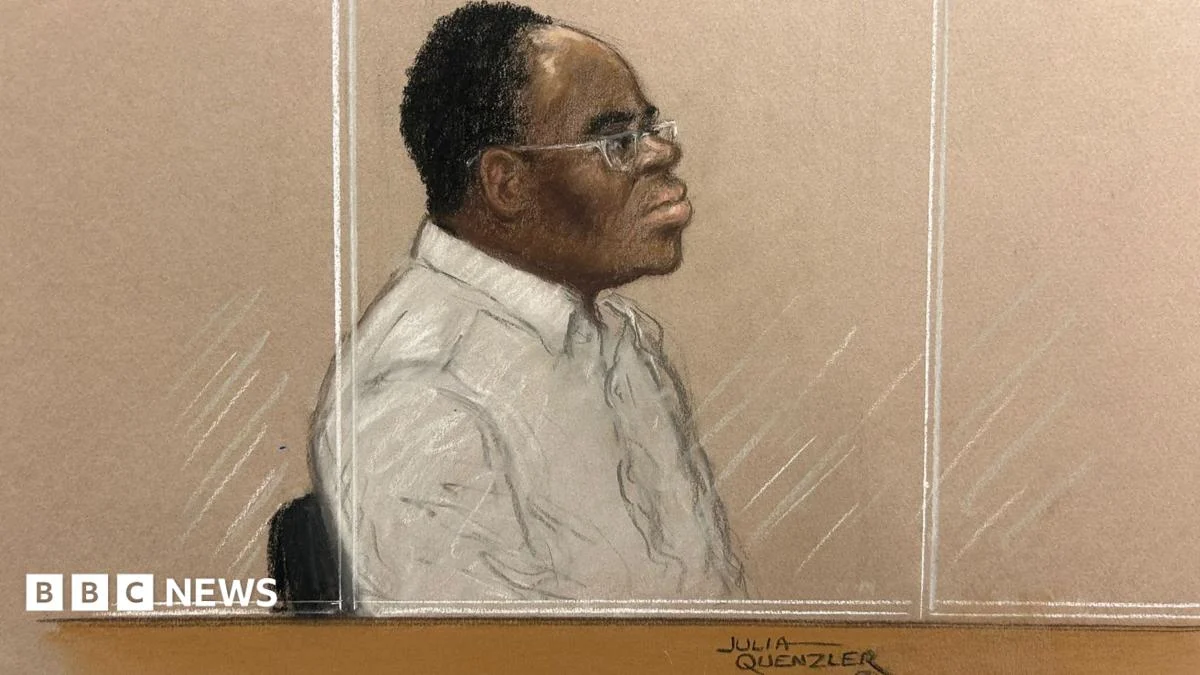
A UK court has ordered aRwanda genocide trial for Dr Vincent Brown, a doctor accused of committing offences during the 1994 Rwandan genocide. Brown remains in legal custody ahead of proceedings scheduled to begin in British courts.
The allegation centers on Brown’s role as a leader or supervisor in acts carried out by others during the early stages of the genocide. The Rwanda genocide trial represents one of the most significant post-conflict justice efforts in modern history, with survivors and families still seeking accountability decades later.
Key Facts
- Dr Vincent Brown faces charges related to the 1994 Rwanda genocide.
- He is accused of acting as a leader or supervisor during violent acts.
- The alleged offences occurred in the early days of the Rwanda genocide.
- The UK will host the Rwanda genocide trial.
- BBC News first reported the charges and upcoming court proceedings.
The Story
What charges is Dr Vincent Brown facing?
Brown has been charged with serious human rights violations connected to the Rwanda genocide. The allegations suggest he played a commanding or supervisory role in violence perpetrated by others. These types of charges often require international legal frameworks to prosecute, especially when they involve crimes committed abroad.
The Rwanda genocide, which lasted approximately 100 days in 1994, resulted in the deaths of an estimated 800,000 people. Prosecuting individuals involved decades later presents complex legal challenges, including gathering evidence and ensuring fair trials. By holding the Rwanda genocide trial in the UK, authorities aim to uphold principles of international justice.
Why prosecute abroad instead of Rwanda?
Bringing the Rwanda genocide trial to the UK reflects broader trends in international law, where defendants may be prosecuted in countries other than where the crimes occurred if local systems are unable or unwilling to act. This principle supports accountability when national jurisdictions fall short. The UK has precedent in prosecuting foreign atrocity crimes under universal jurisdiction laws.
Historically, some suspects have evaded justice by fleeing or hiding in countries with weak rule of law. Relocating such cases to stable democracies allows for stronger judicial infrastructure. In Brown’s case, the Rwanda genocide trial in the UK signals continued commitment to pursuing justice regardless of geography.
How does this fit into global accountability efforts?
This case joins other recent prosecutions tied to historical mass atrocities. Courts worldwide increasingly use universal jurisdiction mechanisms to address impunity for genocide and crimes against humanity. Each successful prosecution contributes to a growing body of international jurisprudence.
Survivors and advocacy groups have long pushed for more trials like these. They argue that delayed justice remains better than none. For now, the Rwanda genocide trial moves forward under intense scrutiny and hope.
What We Know — and What We Don’t
Verified by the source:
- Dr Vincent Brown is accused of participating in the 1994 Rwanda genocide as a leader or supervisor.
- He will face trial in the UK.
- The alleged acts took place during the early phase of the genocide.
Still unconfirmed:
- The exact dates or year he allegedly committed the offences.
- Whether he has entered a plea.
- Details about the specific court handling the Rwanda genocide trial.
- Name of any legal representation representing him.
Why It Matters
Holding individuals accountable for past atrocities reinforces the idea that no one is beyond the reach of justice, even years after committing crimes. The Rwanda genocide trial in the UK sends a clear message about the international community’s resolve to pursue justice for victims of mass violence.
What To Watch
Upcoming court hearings will determine key procedural steps in the Rwanda genocide trial. Observers expect further decisions regarding evidence sharing and witness protection protocols.
More from war-geopolitics | politics