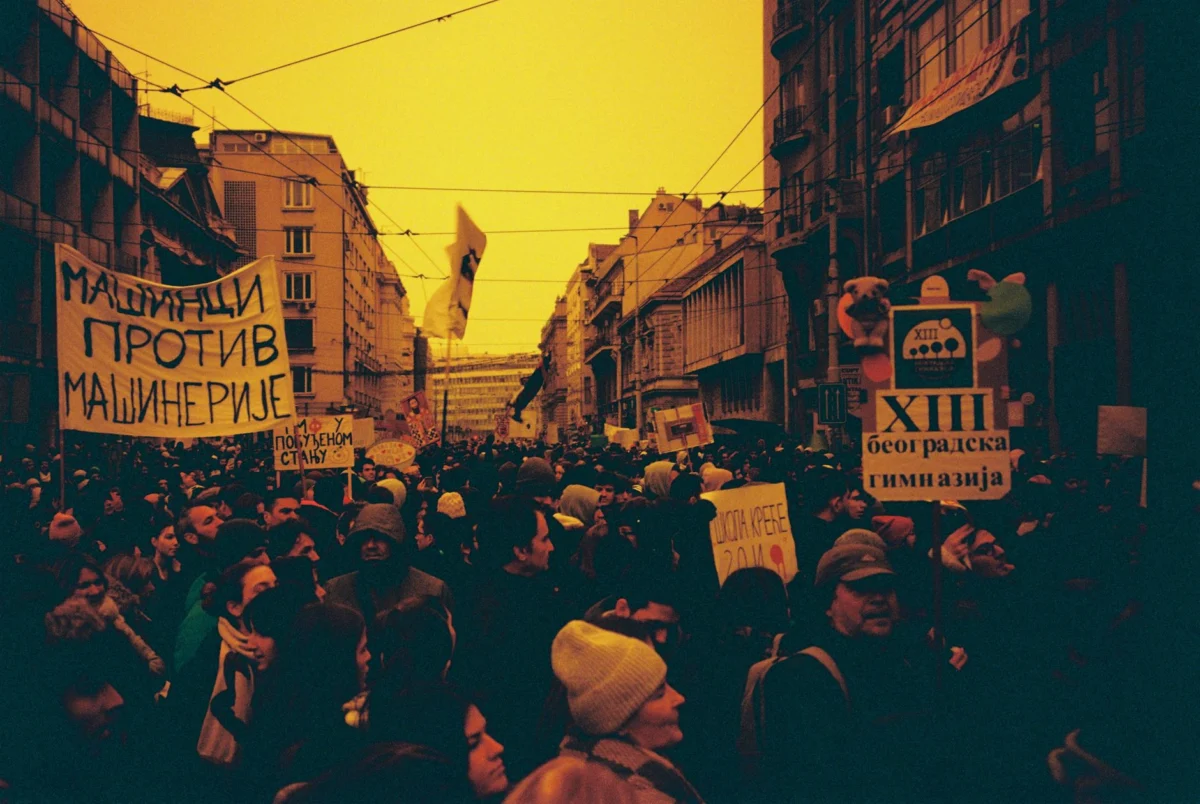
Thousands of workers walked off the job across Greece on Wednesday in a coordinated strike over wages and public services, according to Reuters. The industrial action shut down schools, halted public transport and disrupted hospital services as unions pressed the government for salary increases that keep pace with inflation.
The Greece strike reflects mounting pressure on households from rising living costs and years of austerity-era wage restraint. Unions say real incomes have fallen behind prices, while staffing shortages have degraded health care, education and other essential services.
Key Facts
- Thousands of demonstrators took part nationwide
- Action was a strike called by labor unions
- Core demands: higher wages and improved public services
- Reported by Reuters within the last 12 hours
- Protests occurred across Greece in multiple cities
What the Strike Disrupted
Public-sector unions representing teachers, health workers, municipal employees and transport staff coordinated the walkout. Schools remained closed in many districts, while hospitals operated with skeleton crews handling only emergencies. Urban transit systems in Athens and Thessaloniki ran reduced schedules, and ferry links to the islands were suspended for much of the day.
Private-sector unions also joined in solidarity, though participation varied by industry. The breadth of the action suggests broad dissatisfaction with the pace of wage growth relative to inflation, which has hovered above the euro-area average for much of the past year.
How Did We Get Here?
Greece emerged from international bailout programs in 2018, but many of the wage freezes and hiring caps imposed during the crisis years remained in place. Public-sector pay scales have seen only modest adjustments since then, while the minimum wage has risen gradually. Unions argue those increases have not restored purchasing power lost to cumulative inflation since 2021.
At the same time, demographic pressures — an aging population and emigration of skilled workers — have strained the national health system and schools. Successive governments have pledged to rebuild staffing levels, but unions say recruitment has not kept pace with retirements and resignations.
What We Know — and What We Don’t
Verified by the source:
- Thousands demonstrated across Greece
- The action was a strike over wages and public services
- Reuters reported the story within the last 12 hours
Still unconfirmed:
- Exact number of participants or which unions led the action
- Whether the government has responded or plans negotiations
- Duration of the strike — one day or continuing
- Specific wage increase percentages demanded
- Impact on tourism, a key economic sector
Why It Matters
The Greece strike signals that social patience with post-crisis austerity norms is wearing thin. If wage demands translate into broader public-sector pay rises, the fiscal impact could test the government’s commitment to budget targets agreed with European partners. For travelers and businesses, the disruption highlights the fragility of essential services that underpin daily life and the tourism economy.
What to Watch
Union leaders are expected to announce whether further strike days are planned. Any formal government response or meeting with union representatives would indicate the potential for negotiated settlement.