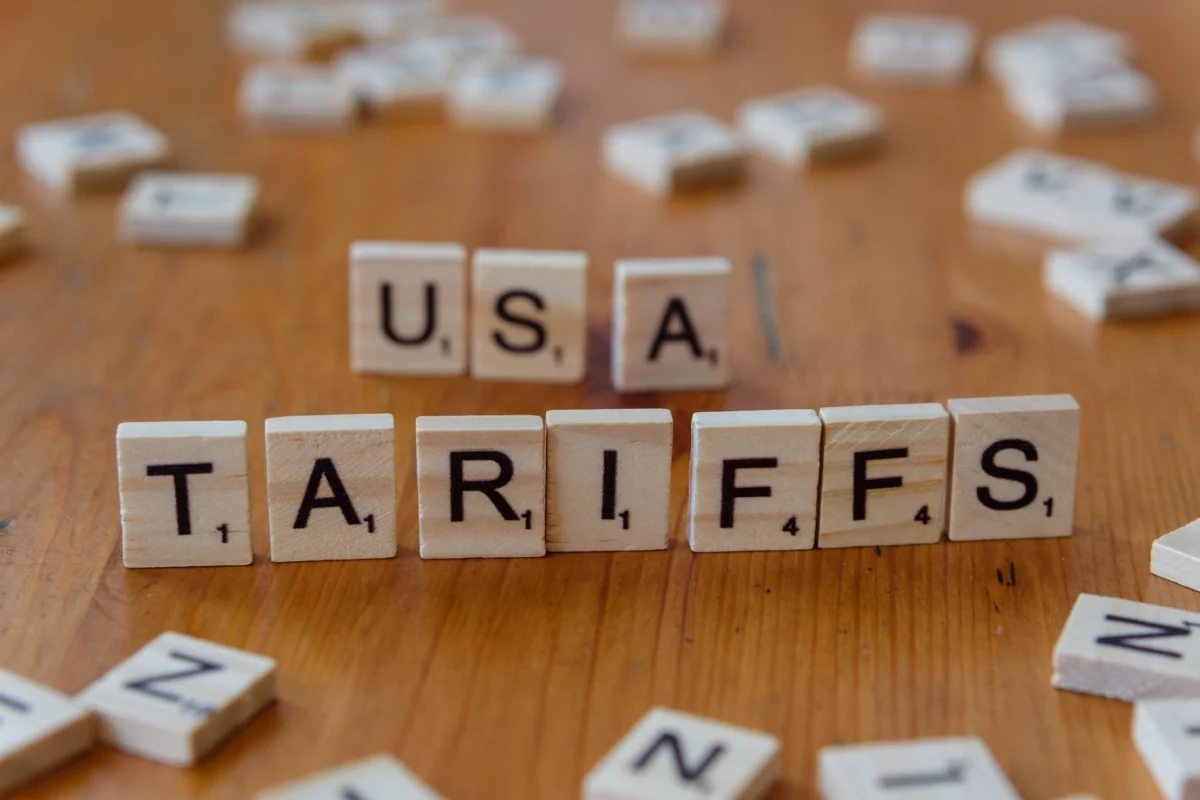
The Nasdaq slides 4% as a selloff in artificial intelligence shares and fresh tariff proposals combine to rattle Wall Street. The technology-heavy index dropped sharply in a session marked by broad risk aversion across equity markets.
Investors pulled back from high-flying AI names that had led market gains for months, while uncertainty around potential trade barriers added to the cautious tone. The move underscores how concentrated leadership and policy headlines can drive outsized swings in major benchmarks.
KEY FACTS
- The Nasdaq slides 4% in the reported session
- An AI selloff contributed to the decline
- Tariff proposals also rattled investors
- Wall Street broadly felt the impact
- Reuters reported the market move
THE STORY
What triggered the selloff?
The Nasdaq’s 4% drop reflects a confluence of two distinct pressures. First, shares of companies closely tied to artificial intelligence — a sector that has powered much of the index’s outperformance over the past year — came under sustained selling pressure. Second, new tariff proposals introduced fresh trade-policy uncertainty, prompting investors to reassess growth and earnings outlooks across technology and export-sensitive names.
Market participants often react swiftly to tariff news because duties can raise costs, disrupt supply chains, and dampen global demand. When such headlines arrive alongside a momentum unwind in a crowded trade like AI, the combined effect can amplify intraday volatility.
How did we get here?
The Nasdaq Composite is heavily weighted toward large-cap technology firms, many of which have seen valuations expand rapidly on enthusiasm for generative AI, cloud infrastructure, and semiconductor demand. That concentration means a shift in sentiment toward a handful of names can move the entire index. Meanwhile, trade policy has re-emerged as a market focus, with proposals for new or higher tariffs reviving concerns last prominent during the 2018–2019 trade disputes.
General context: tariffs are taxes on imported goods, typically aimed at protecting domestic industries but often passed through to consumers and businesses as higher prices. For tech companies with global supply chains and significant overseas revenue, the earnings impact can be material.
WHAT WE KNOW — AND WHAT WE DON’T
Verified by the source:
- The Nasdaq declined approximately 4%
- AI-related selling was a factor
- Tariff proposals contributed to the decline
- The report comes from Reuters via Google News
Still unconfirmed:
- Which specific AI stocks led the selloff
- Details of the tariff proposals (scope, targets, timing)
- Whether the drop occurred in a single session or over multiple days
- Trading volume or breadth metrics for the session
- Official commentary from policymakers or corporate executives
WHY IT MATTERS
The Nasdaq’s sharp move matters because the index is a bellwether for growth and innovation sentiment. A 4% decline in a single session — if confirmed — would rank among the more notable daily drops in recent years, signaling that the market’s two dominant narratives (AI enthusiasm and trade-policy risk) can reverse quickly. For investors, the episode highlights the risk of concentrated portfolios and the sensitivity of high-multiple equities to macro headlines.
WHAT TO WATCH
Markets will monitor whether the AI selloff broadens or stabilizes, and whether tariff proposals advance toward legislation or remain rhetorical. Subsequent sessions will test if buyers return at lower levels or if momentum has structurally shifted.