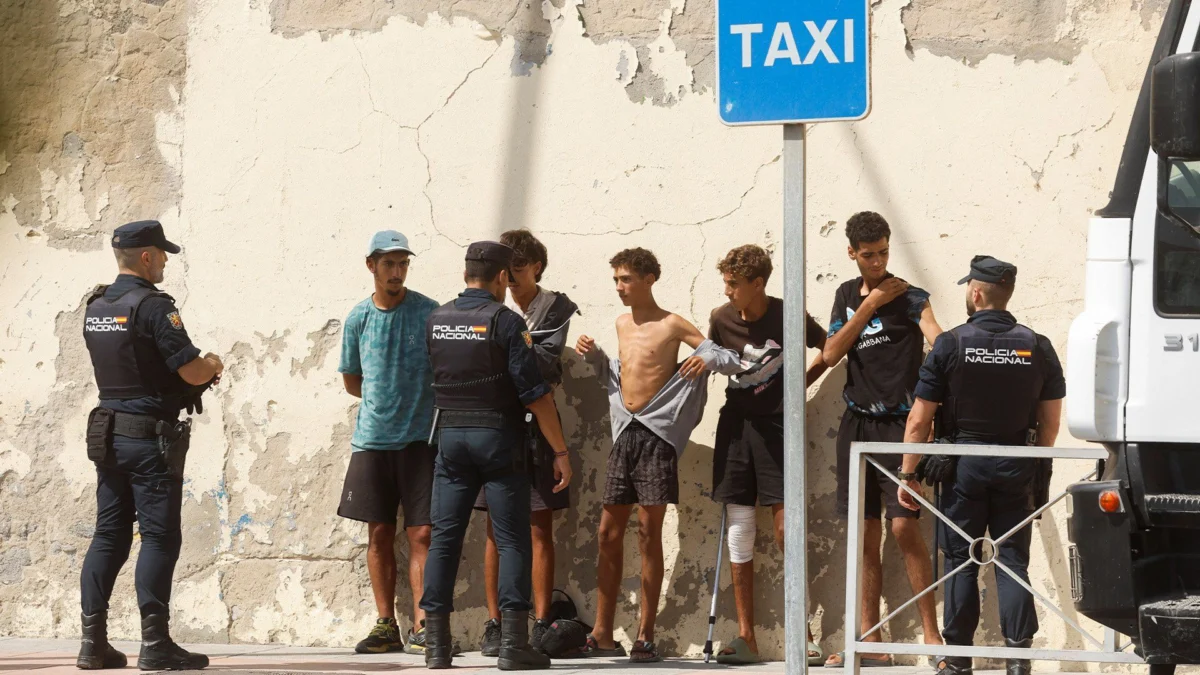
Thousands of migrants in Ceuta are struggling to survive weeks after a record surge of arrivals in July, with authorities estimating at least 10,000 people remain stranded in the Spanish enclave. The situation has grown increasingly dire as basic resources strain under the influx, leaving many without stable shelter or consistent access to aid.
While international attention initially focused on the scale of the July surge, daily life for these migrants has settled into an uncertain routine marked by overcrowded conditions and dwindling support infrastructure. Local and national officials continue to grapple with how to manage both immediate needs and longer-term integration or relocation.
KEY FACTS
- Authorities estimate at least 10,000 people remain in Ceuta.
- This follows a record surge in July.
- Those affected are migrants.
The Human Toll of Being Stranded in Ceuta
Migrants in Ceuta face daily challenges including lack of housing, limited food access, and restricted mobility due to documentation issues. Many have no clear path forward — neither return options nor formal resettlement pathways are widely available.
Local NGOs and volunteer groups report increasing pressure on services, though specific funding or staffing levels were not detailed by the source. Conditions vary across different areas of the enclave, but overcrowding appears widespread.
Without formal status, many individuals cannot legally work or travel beyond the city limits, trapping them in precarious circumstances with little recourse for change.
What Happens Next for Ceuta’s Migrant Population?
The future remains unclear for those still stranded, as no concrete repatriation or relocation plans were announced by officials cited in the report. European Union policies governing migration may influence next steps, but specific actions are not outlined in current coverage.
Spanish government responses so far center around emergency assistance rather than systemic reform, according to Al Jazeera reporting. Whether broader EU-wide coordination emerges depends on shifting political priorities and public sentiment.
For now, life in temporary shelters and informal settlements continues, with uncertainty defining each day for the 10,000+ people affected.
WHAT WE KNOW — and What We Don’t
Verified by the source:
- At least 10,000 people remain in Ceuta following a record surge in July.
- The group includes undocumented migrants arriving via land and sea routes.
- Authorities are managing the situation through local emergency measures.
Still unconfirmed:
- Exact breakdown of nationalities among the migrant population.
- Official timelines for processing residency applications or returns.
- Total number of humanitarian aid workers currently deployed.
Why It Matters
This ongoing crisis underscores deeper tensions within Europe’s approach to migration management, especially amid rising arrivals at external borders like Ceuta and Melilla. As debates intensify over policy responses, the lived experiences of these migrants highlight gaps between international obligations and practical implementation.
What To Watch
Further developments will likely depend on whether additional humanitarian aid reaches the area or new bilateral agreements allow for organized departures. Updates from Spanish or EU officials could clarify timelines for resolving the backlog of cases.