LEDE
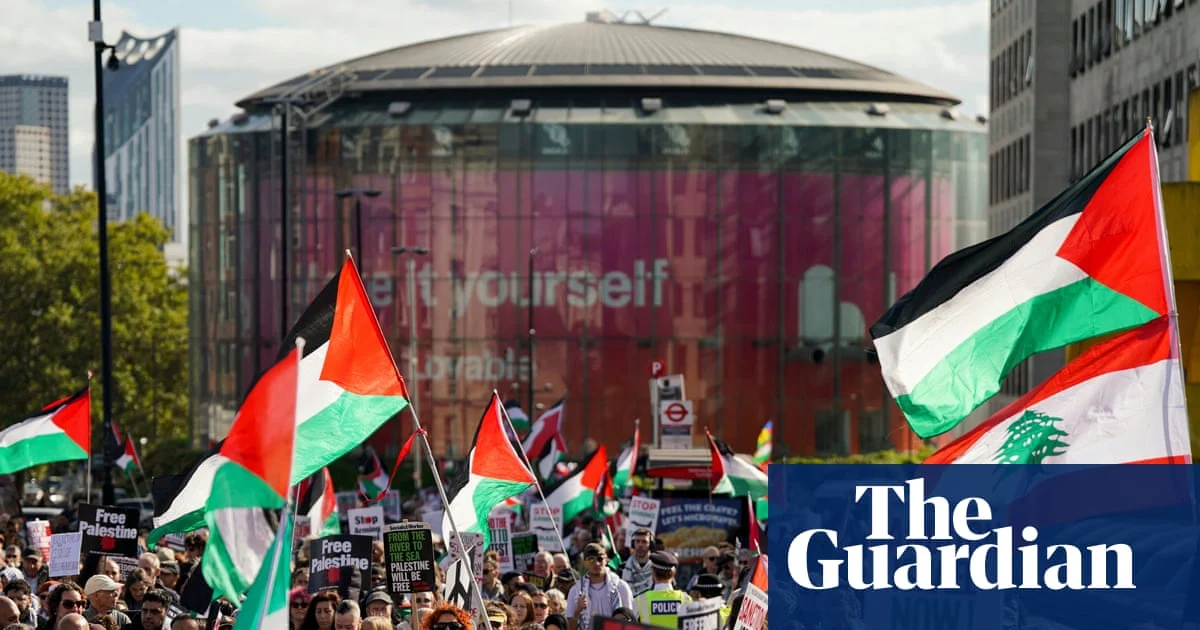
Thousands gathered in central London to express support for Palestinians following three years described as genocide against them by Israel.
The protest marked the first major demonstration since a UK official declared Israel’s occupation of the West Bank unlawful, with twenty arrests reported during the march. Demonstrators carried flags and placards while a two-minute silence was held to reflect on lives lost in Gaza.
KEY FACTS
- Thousands gathered in central London to express support for Palestinians
THE STORY
What happened during the protest?
Demonstrators assembled on the Embankment at midday on Saturday, many wearing traditional keffiyehs and carrying Palestinian flags. Placards reading “End the genocide” and “Free Palestine” were visible among the crowd as participants marched toward Parliament. A two-minute silence was observed during the demonstration to honor those affected by the situation in Gaza.
Who is affected by these events?
The protest reflects ongoing tensions surrounding the Israeli-Palestinian conflict and Britain’s diplomatic stance. The demonstration followed a significant policy declaration by a UK official regarding Israel’s presence in the West Bank, adding political context to public demonstrations. Public gatherings of this scale indicate strong feelings within British society about Middle Eastern affairs.
How did we get here?
This was the first major protest since an official UK position was publicly stated about Israel’s occupation being unlawful. The timing follows three years of conflict described by organizers as genocide, creating conditions for renewed public demonstration. Arrest figures suggest authorities maintained oversight during the event, indicating security considerations factored into planning and execution.
WHAT WE KNOW — AND WHAT WE DON’T
Verified by the source:
- Thousands gathered in central London to express support for Palestinians
Still unconfirmed:
WHY IT MATTERS
Large-scale demonstrations reflect public sentiment on international conflicts and may influence diplomatic discourse between nations. These events demonstrate how global conflicts extend beyond immediate regions, affecting diaspora communities and shaping political dialogue in host countries where freedom of assembly allows such expression.
WHAT TO WATCH
Future demonstrations and potential policy responses will indicate whether public pressure translates into formal governmental action regarding Middle Eastern relations.