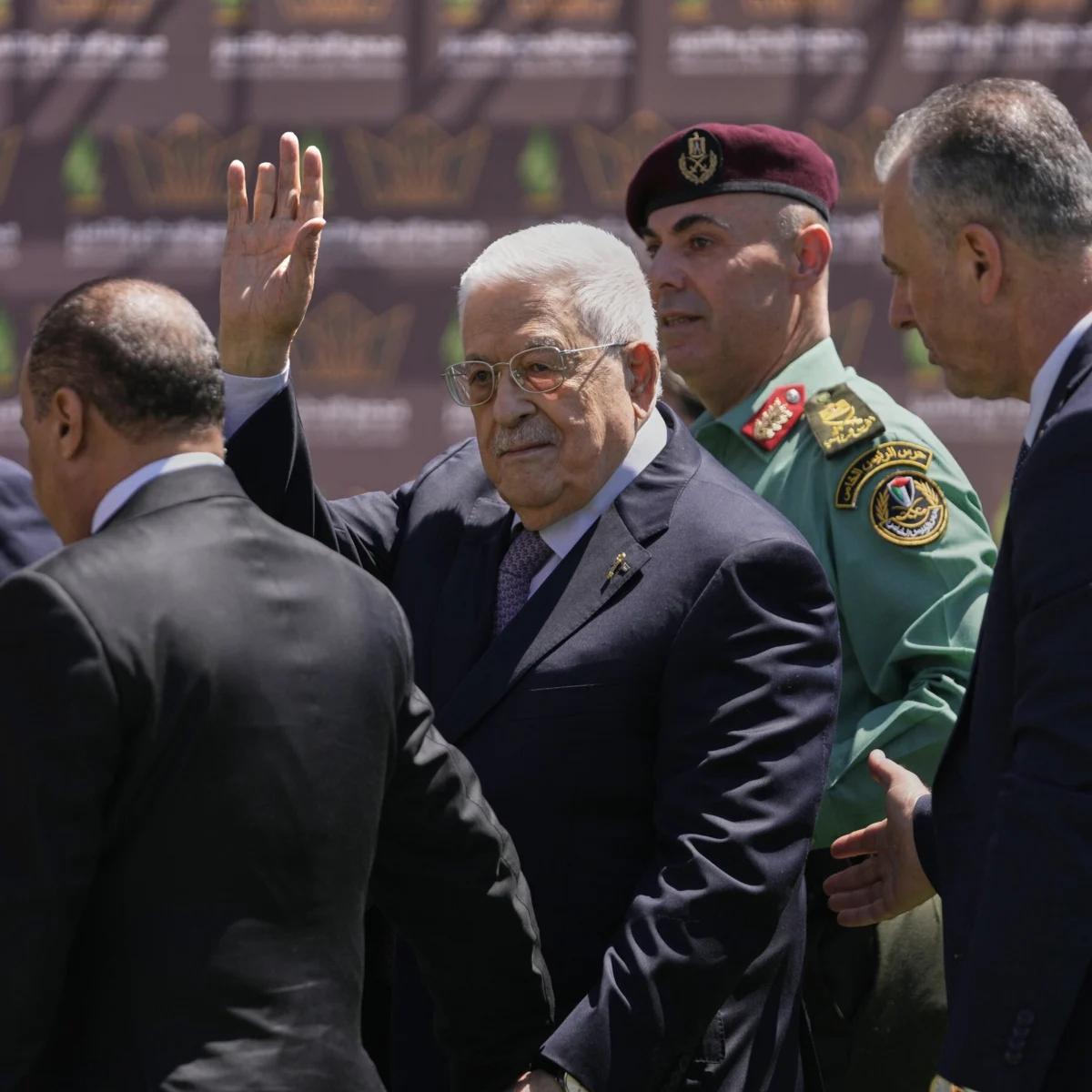
The Palestinian Authority formally pushed off planned elections until late 2027, maintaining a voting gap of roughly two decades. The decision comes despite pressure from Western allies, according to reporting by NYT > World News.
The delay was announced by Palestinian leader Mahmoud Abbas, who has ruled the occupied West Bank’s governing body for years. International partners have long urged democratic reforms, but the timeline reset marks another postponement for a vote already expected by many.
KEY FACTS
- Palestinian Authority delays elections until late 2027
- Mahmoud Abbas led push to postpone vote
- Palestinians haven’t held major elections in about two decades
- Delay occurred despite Western pressure
What Happens Next?
The next steps remain unclear. No new date beyond ‘late 2027’ was given, leaving observers uncertain about whether electoral preparations will begin soon. International funding bodies and diplomatic representatives have yet to issue formal responses to the latest postponement.
Elections in the occupied Palestinian territories last occurred roughly twenty years ago. Since then, administrative bodies under the Palestinian Authority have governed parts of the West Bank, while Hamas controls Gaza. Repeated delays have drawn criticism over governance gaps.
Who Is Affected?
About three million Palestinians live under the Palestinian Authority in the West Bank. A new vote would have let them choose leadership for the first time since the authority’s previous cycle of elections. The delay affects both voters and candidates who had prepared for polling, including domestic and international observers.
Regional stability groups and foreign governments monitor these elections closely because leadership changes can shape diplomatic relations, aid flows, and security cooperation. The postponement also affects internal party dynamics within Fatah and other factions competing for influence.
HOW DID WE GET HERE?
The roots of the delay trace back to repeated logistical and political challenges. Previous rounds of negotiation between Palestinian factions failed to produce consensus on voting procedures or security guarantees. Competing claims over eligibility lists and electoral districts have lingered without resolution.
External actors including European Union countries and United States have encouraged progress, offering technical support contingent on agreed frameworks. However, implementation of reforms and voter registration systems remains incomplete across all governorates.
What We Know — and What We Don’t
Verified by the source:
- Palestinian Authority announced election delay to late 2027
- Mahmoud Abbas led announcement move
- Western pressure preceded decision
- Palestinians lacked major elections for about two decades
Still unconfirmed:
- Official rationale behind delay
- Exact month of rescheduled vote
- Response from Western governments
- Whether preparatory steps already started
Why It Matters
Electoral delays affect democratic legitimacy and public trust. For Palestinians, repeated polling cancellations may deepen skepticism toward governance. Broader geopolitical relationships depend heavily upon stability indicators tied to open political processes.
What To Watch
Further statements from the Palestinian Authority regarding procedural updates are expected. Observers will also track whether international donors adjust policy positions following this latest postponement.