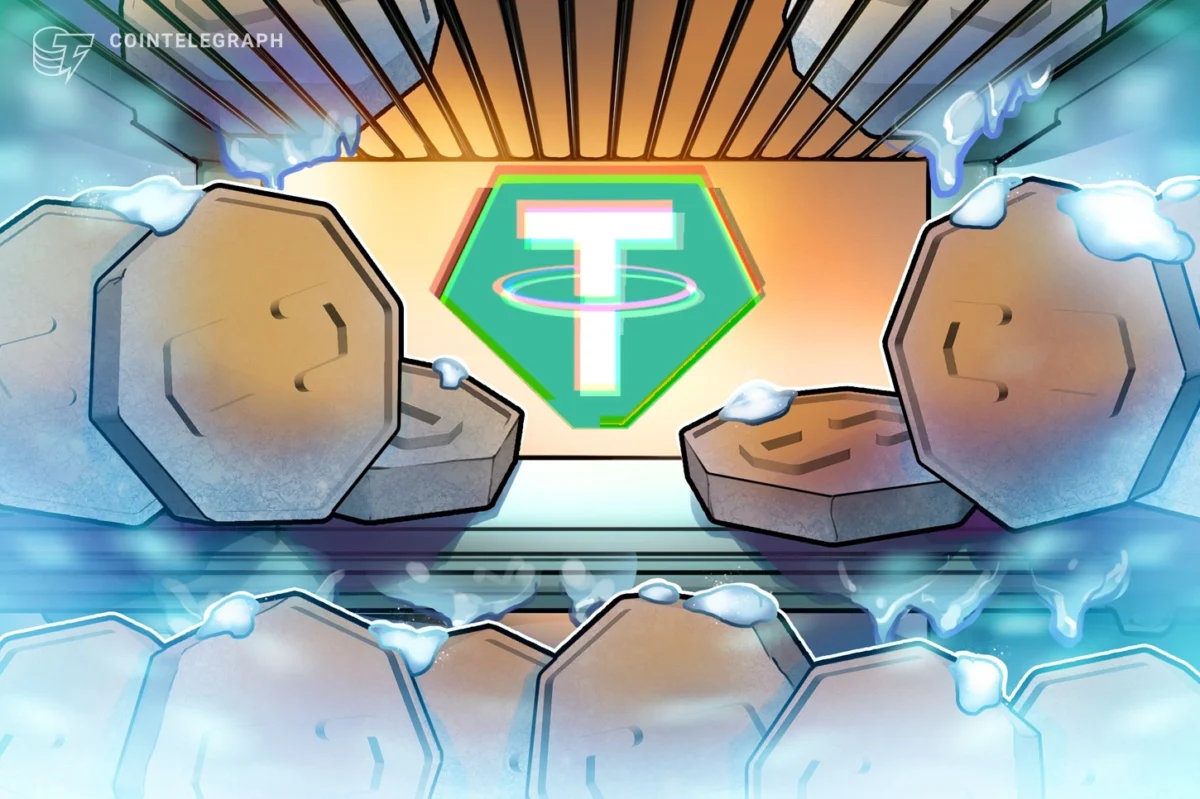
Chad Barraford, technical co-founder of THORChain, publicly accused Tether of temporarily freezing USDT vaults associated with the network, then unfreezing them without offering a public explanation. The claim was reported by Cointelegraph.com News, which noted that the funds were ultimately restored to an accessible state, though neither Tether nor THORChain provided additional comment at the time of publication.
The allegation surfaced amid ongoing scrutiny of stablecoin reserve controls and cross-chain liquidity infrastructure. If true, the USDT vault freeze would represent a rare instance of a major stablecoin issuer directly restricting withdrawals from a decentralized finance protocol, raising questions about centralized oversight of dollar-pegged tokens used across multiple blockchain networks. The incident has drawn attention within the trading-crypto community as participants weigh the risks of relying on centrally-managed digital assets.
KEY FACTS
- Chad Barraford is identified as the technical co-founder of THORChain.
- He accused Tether of temporarily freezing USDT vaults.
- The funds were reportedly unfrozen without explanation.
- The claim was reported by Cointelegraph.com News.
What Happened During the USDT Vault Freeze?
According to Cointelegraph.com News, Barraford stated that the funds held in USDT vaults were frozen and later unfrozen without any formal communication or rationale from Tether. No timestamps, wallet addresses, or transaction hashes were published in the initial summary, making independent confirmation difficult at this stage. The lack of detail around who initiated contact or whether automated systems triggered the freeze suggests the situation remains under investigation.
Stablecoin freezes typically occur when issuers detect suspicious activity, regulatory pressure, or technical vulnerabilities. However, Tether has not issued a statement confirming or denying these allegations. Similarly, THORChain has not released an official report detailing the scope or impact of the USDT vault freeze on its cross-chain operations.
Why Stablecoin Control Matters for DeFi Protocols
This incident underscores the centralized nature of many stablecoins despite their widespread use in decentralized finance (DeFi). While USDT operates on multiple blockchains, its issuer retains the ability to blacklist addresses or freeze balances—powers that conflict with ideals of decentralization and user autonomy. For platforms like THORChain that depend heavily on liquidity provided through stablecoin integrations, such actions can introduce operational risk.
Users and developers may reconsider their reliance on centralized stablecoins if similar incidents continue unresolved. Still, the dominance of USDT in global trading volume means alternatives must scale significantly before replacing it wholesale. Until broader transparency measures emerge, each USDT vault freeze event will likely fuel renewed debate over governance models in crypto ecosystems.
HOW DID WE GET HERE?
The relationship between THORChain and Tether dates back years, with USDT serving as one of several assets supported across THORChain’s cross-chain swapping protocol. As DeFi grows more interconnected, protocols increasingly interface with legacy financial systems via stablecoins—a design choice that introduces counterparty risk.
In past cases involving frozen wallets, Tether cited law enforcement requests or internal compliance policies. Yet without clear disclosures tied to this particular USDT vault freeze case, stakeholders remain uncertain about intent or consequences. Whether future collaboration continues unchanged depends largely on how both sides manage trust moving forward.
WHAT WE KNOW — AND WHAT WE DON’T
Verified by the source:
- Chad Barraford is identified as technical co-founder of THORChain.
- He alleges Tether froze USDT vaults connected to THORChain.
- He alleges the funds were unfrozen without explanation.
- Cointelegraph.com News reported these statements.
Still unconfirmed:
- The exact date or time of the alleged USDT vault freeze.
- Specific wallet addresses or blockchain networks involved.
- Whether Tether responded to inquiries regarding the claim.
- Impact duration or financial loss incurred during the freeze period.
WHY IT MATTERS
Trust in stablecoins underpins much of modern cryptocurrency activity. Any perception that issuers act unilaterally—even temporarily—can erode confidence among retail users and institutional players alike. This alleged USDT vault freeze highlights structural tensions between blockchain-based finance and traditional monetary controls.
WHAT TO WATCH
Stakeholders should monitor whether Tether issues an official response clarifying its stance on USDT vault management practices. Further developments may include technical analysis from THORChain or public advisories from regulators overseeing stablecoin reserves.