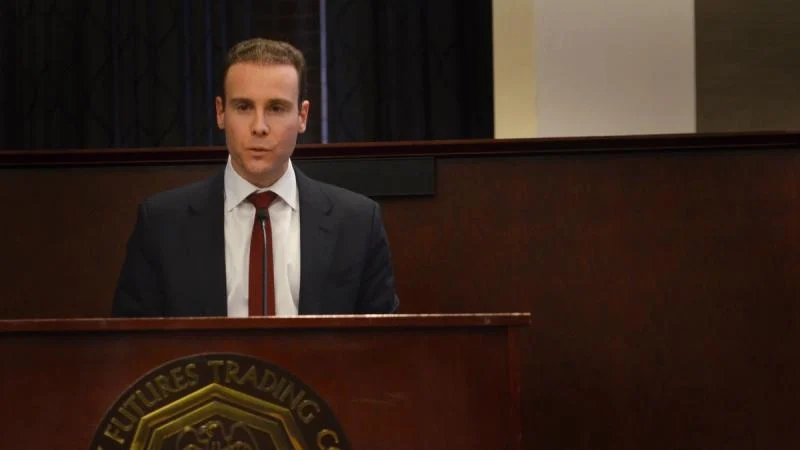
The U.S. Commodity Futures Trading Commission (CFTC) is moving to fold event contracts into swaps regulations, proposing a formal rule that would bring certain contracts traded on platforms such as Kalshi under the agency’s oversight. The proposal emerges as legal fights over these instruments intensify, with the derivatives regulator seeking to clarify its authority over a rapidly evolving market segment. Event contracts, which settle based on the outcome of real-world events, have drawn scrutiny from regulators concerned about investor protection and market integrity.
KEY FACTS
- The CFTC is proposing a formal rule to classify certain event contracts as swaps.
- Platforms like Kalshi are mentioned as examples of where these contracts are traded.
- The proposal places event contracts under the CFTC’s swaps oversight framework.
- The move comes as a legal fight over event contracts continues to unfold.
What Happens Next?
The CFTC’s proposed rule, if finalized, would subject event contracts to the same regulatory regime governing swaps, a category of derivatives that already faces stringent reporting, margin, and conduct standards. That shift could reshape how platforms structure and offer these products, especially those that rely on retail participation. The agency has not disclosed a timeline for completion of the rulemaking, but such processes typically involve public comment periods and, potentially, legal challenges from affected firms.
What happens next is uncertain, but the ongoing legal fight suggests any final rule will face immediate scrutiny in court. A separate CoinDesk article reports that the CFTC has yet to comment publicly on the proposal’s timing or scope beyond what is included in the summary. Still, the underlying tension remains: as event contracts grow in popularity, especially among retail traders, regulators are under pressure to assert oversight without stifling innovation.
How Did We Get Here?
Event contracts have existed in various forms for years, but platforms like Kalshi have popularized them by listing bets on everything from economic indicators to cultural moments. Their growth has drawn the attention of the CFTC, which has previously clashed with platforms over whether these instruments qualify as swaps or commodities contracts under existing law. In past cases, the regulator has argued that some of these products fall outside its jurisdiction, while platforms have pushed back, claiming they meet all applicable requirements.
The current proposal appears to resolve that dispute by fiat, moving event contracts squarely into the swaps framework regardless of prior interpretations. This approach reflects a broader trend among U.S. financial regulators to adapt existing rules to new technologies rather than create entirely new ones. However, it also raises questions about how the legal fight will evolve now that the CFTC has chosen rulemaking over enforcement alone. A draft of the proposed rule has not been released to the public, according to CoinDesk.
Why It Matters
The outcome of this regulatory push could determine whether event contracts remain a fringe trading venue or become a mainstream part of the derivatives market. For retail investors who flock to these platforms for speculative opportunities, increased oversight may mean higher barriers to entry but greater protections. For platforms, it could mean costly compliance shifts or even product redesigns.
What To Watch
All eyes will be on whether the CFTC publishes a notice of proposed rulemaking in the Federal Register and how industry participants respond during any public comment period. The agency has not said when such a notice might appear.
What We Know — and What We Don’t
Verified by the source:
- The CFTC is proposing a formal rule to fold event contracts into swaps regulations.
- Contracts traded on platforms like Kalshi are referenced in the proposal.
- The proposal is tied to an ongoing legal fight over event contracts.
Still unconfirmed:
- A specific publication date for the proposed rule has not been announced.
- The exact scope of which event contracts would qualify as swaps remains undefined.
- No public comment from CFTC officials or Kalshi representatives is reported.
The CFTC’s move to reclassify event contracts as swaps underscores the agency’s attempt to extend traditional derivatives oversight into newer trading territories through a formal rulemaking process.