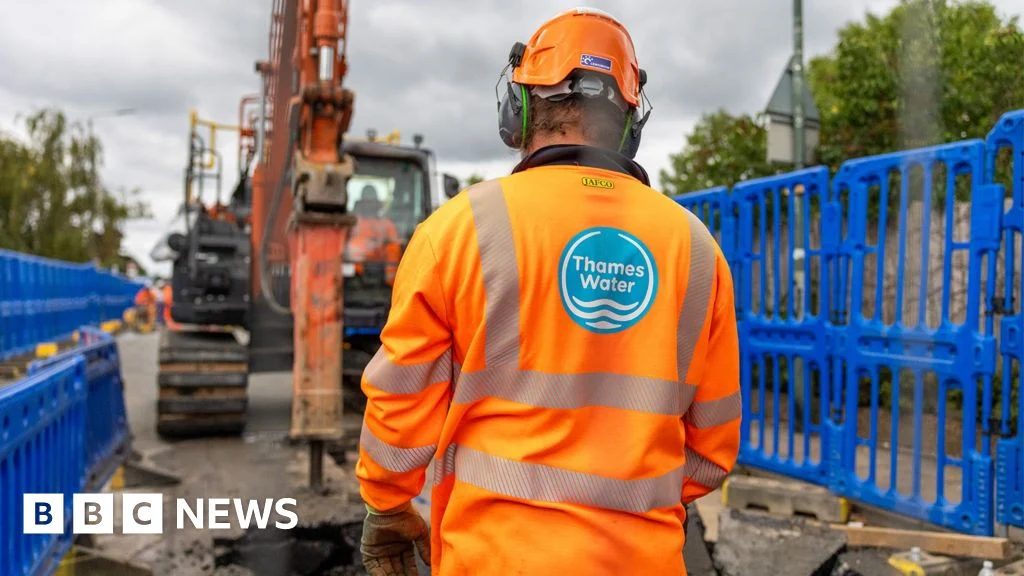
Thames Water’s £2.5 billion rescue package hit a wall on Tuesday when the government formally objected, citing inadequate benefits for consumers and the environment.
Environment Secretary Graham Stuart said the deal “does not do enough for customers or for the climate” and warned that a private‑sector rescue would leave taxpayers on the hook.
What the stalled deal means for your water bill
Thames Water serves 15 million homes across London and the Thames Valley. Its current debt sits at roughly £16 billion, and the company warned it could run out of cash within months.
The proposed rescue would have injected £2.5 billion of private equity, with lenders taking a haircut of 50 percent on existing loans. In exchange, the firm promised to cut leakage by 10 percent and invest £400 million in green infrastructure.
Stuart argued that those promises fall short of the “national priority” of cutting carbon emissions by 45 percent by 2030. He also said consumers would see only a modest reduction in water bills – an estimated £3‑£5 per month – while the public sector would still bear the bulk of the debt.
Why does this matter?
If the rescue collapses, the next step is a possible full nationalisation. That would place Thames Water under direct government control, meaning any future losses would be financed from the Treasury.
For the average customer, nationalisation could mean stricter price caps but also more ambitious investment in climate‑resilient pipes. For investors, it signals a higher risk premium on UK utility assets, potentially shaking the broader economy and markets sector.
What happens next?
The government has 28 days to issue a formal notice of objection under the Companies Act. During that window, Thames Water can appeal or renegotiate terms.
Industry analysts predict the firm will try to sweeten the deal – perhaps by offering larger leakage reductions or a bigger share of profits to customers. If a new agreement fails, ministers are expected to draft legislation for a public takeover.
Both sides acknowledge the clock is ticking. “Water is a public service, not a speculative asset,” Stuart reminded Parliament.
Stay tuned as this story develops; the outcome will shape not only water prices but also the broader debate on when essential services should be kept in private hands.