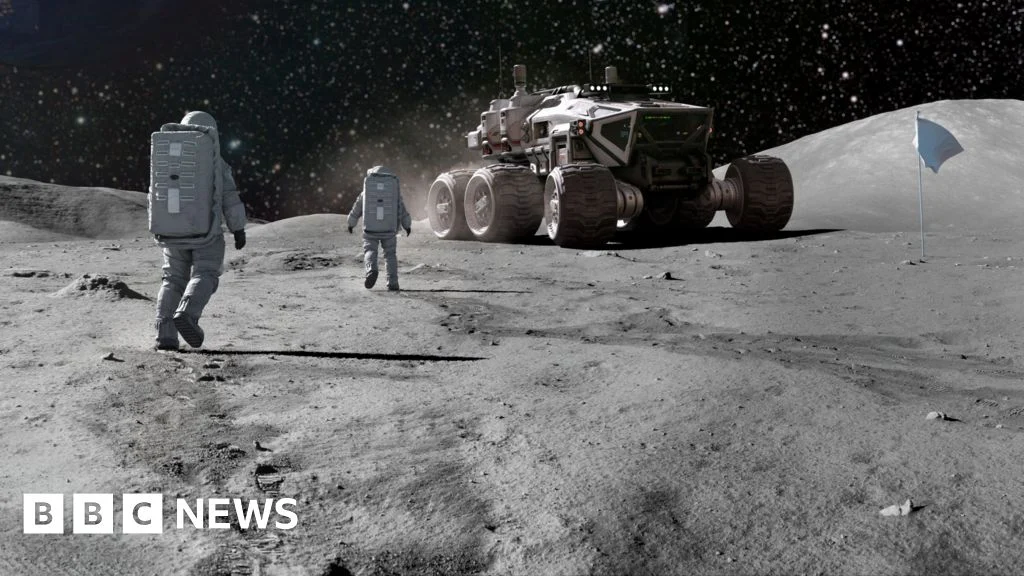
In a laboratory in Osaka, a single gram of helium‑3 sold for $20,000 in early 2024, a price that would buy a modest apartment in Tokyo. The same isotope, prized for its clean‑fusion potential, is now being chased by mining firms that imagine hauling it back from the lunar surface.
Helium‑3 is a rare isotope of ordinary helium. It is produced when cosmic rays strike the Moon’s regolith, and because the Moon lacks a magnetic field the gas accumulates over billions of years. On Earth, helium‑3 is a by‑product of nuclear weapons programs and costs upwards of $10,000 per gram.
Why helium-3 matters now
Fusion reactors that use helium‑3 could generate electricity without the neutron‑radiation that cripples current tokamak designs. Theoretically, a single kilogram could power a small city for a day, making the isotope a potential cornerstone of a carbon‑free future.
Demand forecasts from market analysts suggest a ten‑fold increase by 2035 as private fusion startups prototype helium‑3‑based reactors. That surge fuels the latest wave of lunar venture projects.
Who is betting on lunar helium-3?
Space‑resource firm Moonex announced plans to land a robotic drill on Mare Tranquillitatis by 2029, aiming to harvest 2 tonnes of regolith per year – enough to extract roughly 100 kilograms of helium‑3. The company’s CEO, Hiroshi Nakamura, told BBC News the venture could be “the next gold rush for humanity”.
China’s National Space Administration has filed a patent for a lunar‑based helium‑3 extraction system, and the United States’ Defense Advanced Research Projects Agency (DARPA) has allocated $150 million to a feasibility study, according to publicly released documents.
What are the costs and challenges?
Extracting helium‑3 is not cheap. A 2023 study by the European Space Agency estimated that each kilogram of helium‑3 retrieved from the Moon would cost between $1 billion and $2 billion, once transport, equipment, and energy expenditures are factored in.
Technical hurdles loom large: the regolith must be heated to 1,000 °C to release the gas, requiring power sources that are themselves limited on the lunar night side. Additionally, the legal framework under the 1967 Outer Space Treaty leaves ownership of extracted resources ambiguous, deterring some investors.
Despite the odds, the potential payoff – a new, low‑carbon energy supply chain – keeps money flowing. Venture capital funds have raised $300 million in the past year for lunar‑resource startups, according to data from Crunchbase.
Why does this matter to you?
If helium‑3 fusion becomes commercial, electricity bills could drop dramatically, and the geopolitical balance of power would shift away from oil‑rich nations toward those that master space extraction. The technology could also power deep‑space habitats, making Mars colonies more viable.
For the average consumer, the race for helium‑3 means that a future of clean, abundant power might arrive not from wind turbines or solar panels, but from a rock that orbits 384,000 km away.
What happens next?
In the coming months, Moonex will conduct a small‑scale test on the lunar south pole, while DARPA’s study is expected to release a final report by early 2027. Governments worldwide are drafting policy briefs to clarify ownership rights for extraterrestrial resources.
Whether helium‑3 mining turns the Moon into a gleaming power plant or remains a sci‑fi fantasy will depend on breakthrough engineering, decisive policy, and a willingness to spend billions on a gamble that could redefine Earth’s energy future.
Keep watching as the space‑age gold rush unfolds – the next headline could be about the first commercial helium‑3 shipment arriving on Earth.