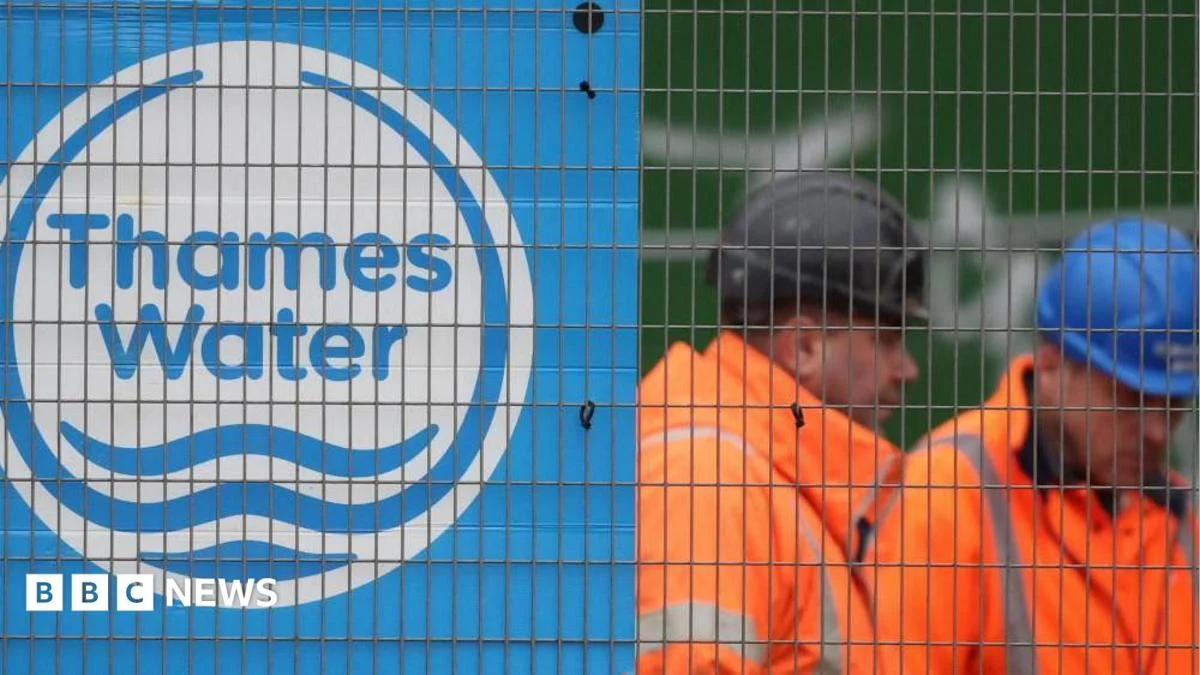
Thames Water lenders are preparing a legal challenge should the UK government move to nationalise the utility under Burnham proposals, aiming to secure full repayment of outstanding debts valued in the multi‑billions of pounds.
The BBC understands that creditors would pursue payment in full if such a scenario unfolds. The lenders’ preparations signal concern over the potential impact of public ownership on their ability to recover loans.
Nationalisation would transfer ownership of Thames Water from private investors to the state, raising questions about how existing financial obligations would be settled.
Key Facts
- Thames Water lenders are preparing a legal challenge in the event of Burnham nationalisation.</li
- Creditors would pursue payment in full of the outstanding debts.</li
- The outstanding debts are in the multi‑billions of pounds.
What happens next?
Lenders may begin drafting court documents that outline their claim for full repayment. These filings would likely cite loan agreements and argue that nationalisation could impair their ability to recover sums owed. The process would involve legal teams assessing the strength of their position and preparing for possible hearings.
Meanwhile, government officials are expected to continue reviewing the Burnham nationalisation proposal, consulting with stakeholders and analysing financial implications. Any formal announcement of intent to nationalise would trigger the lenders’ pre‑emptive legal steps.
Observers will watch for updates from both the Treasury and Thames Water regarding the timeline of any ownership change, as well as for any public statements from the lenders about their strategy.
Who is affected?
Thames Water’s customers could see potential changes in service regulation or pricing if ownership shifts, though the direct impact on bills would depend on subsequent regulatory decisions. Investors who hold the utility’s debt or equity are directly exposed to the outcome of any legal challenge.
Taxpayers might ultimately bear financial consequences if the state assumes responsibility for settling debts, depending on how any legal settlement is structured. The broader water sector could also feel ripple effects as other utilities monitor the situation for precedent.
Industry analysts note that a successful creditor claim could influence future private‑sector involvement in infrastructure projects, shaping attitudes toward risk and return in similar ventures.
What We Know — and What We Don’t
Verified by the source:
- Thames Water lenders are preparing a legal challenge in the event of Burnham nationalisation.
- Creditors would pursue payment in full of the outstanding debts.
- The outstanding debts are described as being in the multi‑billions of pounds.
Still unconfirmed:
- The exact size of the debt in pounds.
- Whether the Burnham nationalisation proposal will proceed to a formal decision.
- The timing of any potential legal filing by the lenders.
- The likelihood that a court would uphold the lenders’ claim for full repayment.
- How Thames Water’s management would respond to a legal challenge.
Why It Matters
The outcome could affect consumer confidence in water services, influence public‑sector financing approaches, and signal how private lenders assess risk when infrastructure assets face possible nationalisation.
What To Watch
Watch for any official announcement regarding the Burnham nationalisation plan and for court filings or statements from Thames Water’s lenders indicating legal action.