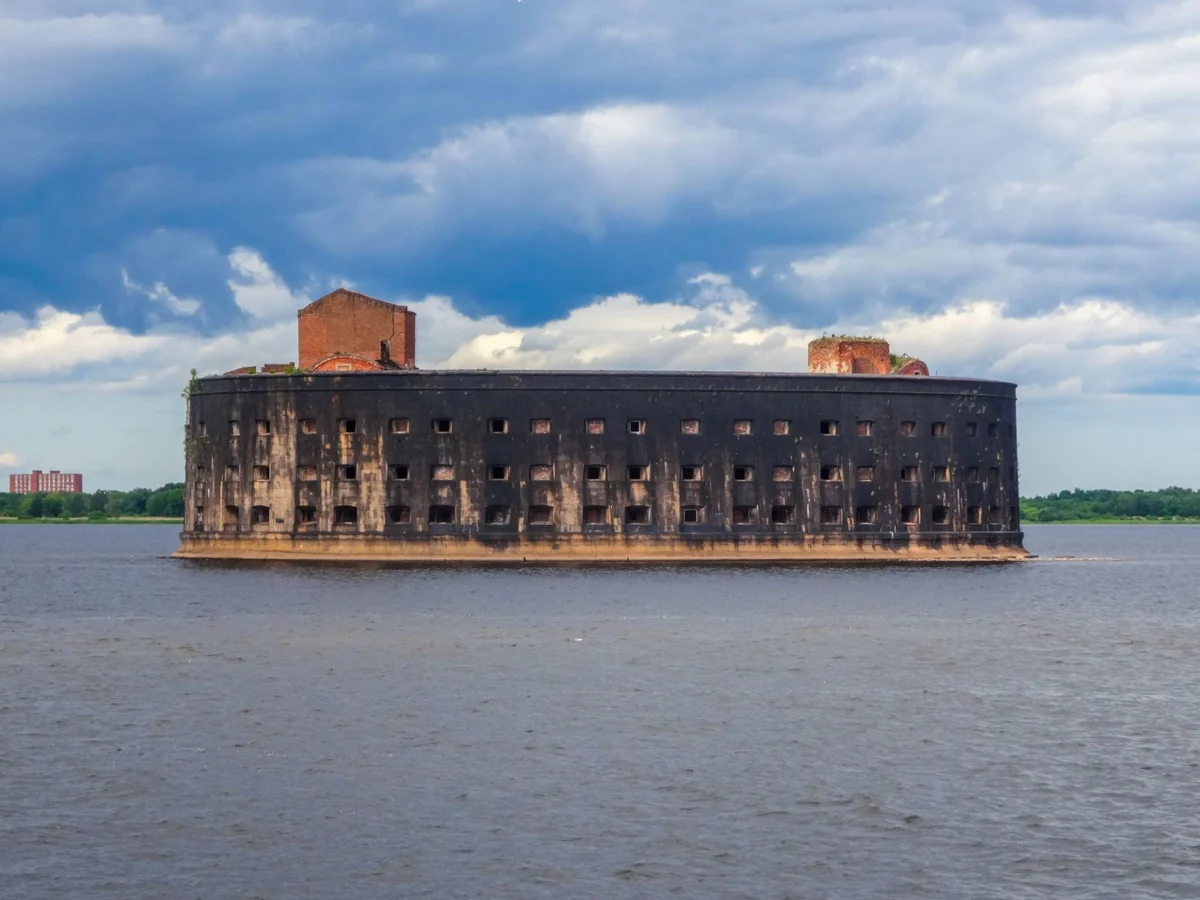
Fort Park Tennessee opened its gates this week, converting a long‑vacant army installation into a 200‑acre riverside escape.
Morning mist lingered over the rust‑stained parapets as the first group of joggers crossed the reclaimed drill field. The smell of pine needles mixed with river spray, and a chorus of warblers filled the air where artillery once roared.
From Brick Walls to Boardwalks
The former installation, built in 1942 and decommissioned in 1998, sat idle for more than two decades. State officials partnered with local conservation groups to clear overgrown brush, restore historic structures, and lay 6 miles of paved trails that hug the Cumberland River’s bend.
“We wanted to honor the site’s military heritage while giving the community a place to breathe,” the project’s lead planner noted in the ribbon‑cutting ceremony.
Why does this matter?
Beyond recreation, the transformation signals a broader shift in how former defense properties are repurposed. Across the United States, over 1,300 former bases have been turned over to civilian use, generating billions in economic activity and protecting habitats that would otherwise be lost.
For residents of Clarksville and surrounding counties, the new park offers a boost to tourism. A modest estimate from the regional tourism board projects an additional $4 million in visitor spending over the next five years.
Wildlife Returns
Since the park’s opening, biologists have logged 27 bird species, including the elusive prothonotary warbler, and sightings of white‑tailed deer and river otters along the water’s edge. The restored wetlands now act as a natural flood buffer for the town downstream.
Local schools have already scheduled field trips, using the site as a living classroom for ecology and civil‑war history.
What happens next?
Phase two of the project will add a low‑impact kayak launch and a small museum housed in the original barracks, slated for completion in late 2026. Funding comes from a blend of state grants, federal historic preservation dollars, and private donations.
“We’re just scratching the surface,” said a volunteer with the Friends of the River. “Every trail we lay, every board we repair, brings another layer of community and conservation together.”
Visitors can plan their visit on the park’s website, which also lists upcoming guided history tours and wildlife walks.
As Fort Park Tennessee settles into its new role, it stands as a model for turning relics of conflict into corridors of peace—proof that the past can serve the future.