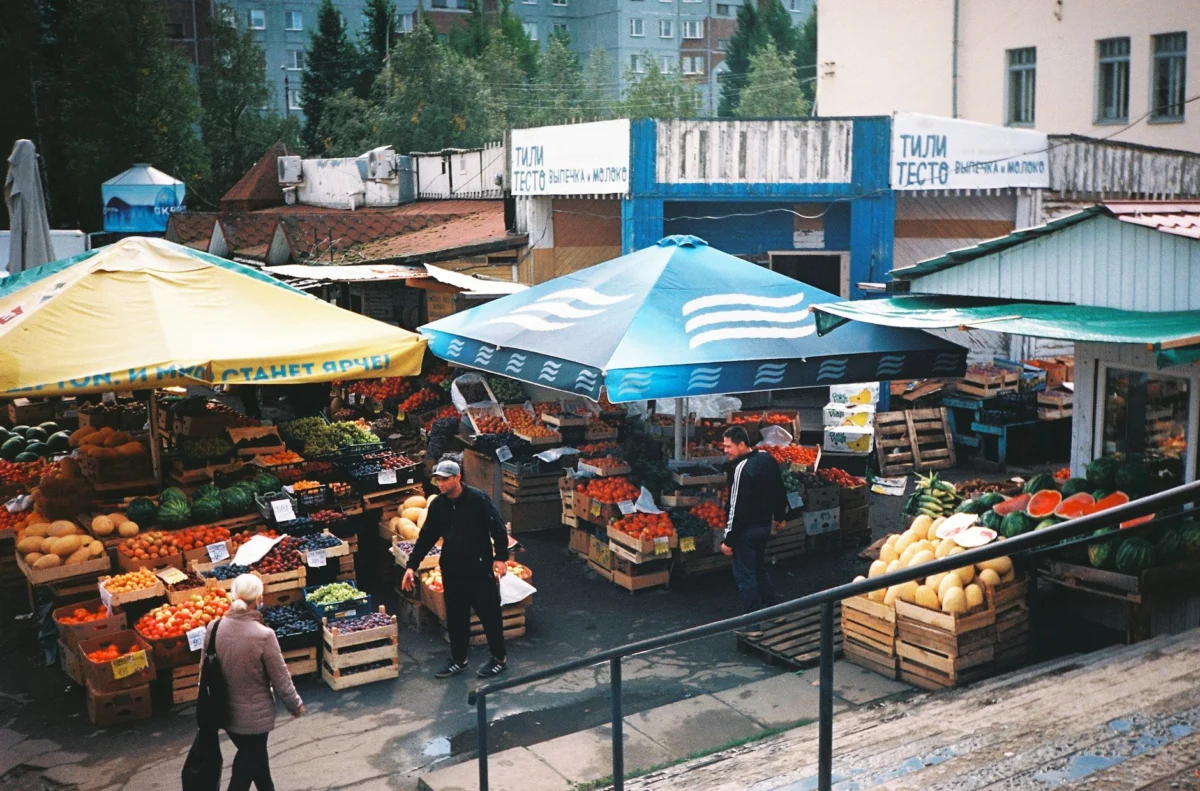
Mykolaychuk OPEN opened in Chernivtsi on Saturday, launching a non‑stop marathon of over 80 films. The Ukrainian cultural hub turned into a buzzing cinema precinct as early as 10 a.m., with crowds lining up for everything from wartime documentaries to avant‑garde shorts.
The festival, named after legendary Ukrainian actor and director Mykola Mykolaychuk, boasts a 48‑hour program that spans three historic venues, two pop‑up screens in the city centre and a mobile truck‑theater that roams the pedestrian zone.
“We wanted to create a space where art meets the reality of war,” the organizers said in a brief release. No celebrities were quoted, but the statement underlines the event’s purpose.
Numbers matter: 82 titles, 27 Ukrainian productions, 15 from the front‑line regions, and 40 international selections from 12 countries. Attendance estimates exceed 12,000 viewers, according to ticket‑scan data shared by the venue operators.
Why does this matter?
Beyond the cinematic feast, the festival signals a cultural resilience that challenges the narrative of a war‑torn Ukraine retreating into silence. By broadcasting stories from the front lines alongside global perspectives, Mykolaychuk OPEN fuels a dialogue that reaches beyond the city’s borders.
For locals, the event provides a rare moment of normalcy and communal gathering. For a wider audience, it offers a window into Ukrainian life under pressure, reminding us that culture persists even in conflict zones.
Who is affected?
Filmmakers gain a platform to amplify their work, while Ukrainian audiences receive a morale boost. International partners—embassies, cultural institutes and NGOs—see the festival as a soft‑power conduit, strengthening cultural diplomacy amid ongoing NATO‑Ukraine‑Russia tensions.
Economically, the influx of visitors supports cafes, hotels and transport services, injecting an estimated €1.2 million into the local economy over the weekend.
What happens next?
Organizers plan a second edition in the fall, expanding to neighboring towns and adding a virtual‑screening component to reach displaced audiences abroad. The success of this launch may encourage other Ukrainian cities to host similar pop‑up festivals, further weaving cultural resistance into the fabric of the war effort.
As the final credits rolled on Sunday night, the crowd’s applause echoed a simple truth: art can survive, adapt, and even thrive when the world’s eyes are on a front line.
Stay tuned for updates on the festival’s impact on regional tourism and its role in the broader cultural response to the conflict.
Read more about the intersection of conflict and culture in our war‑geopolitics coverage and explore how creative industries are shaping economies in our economy and markets section.