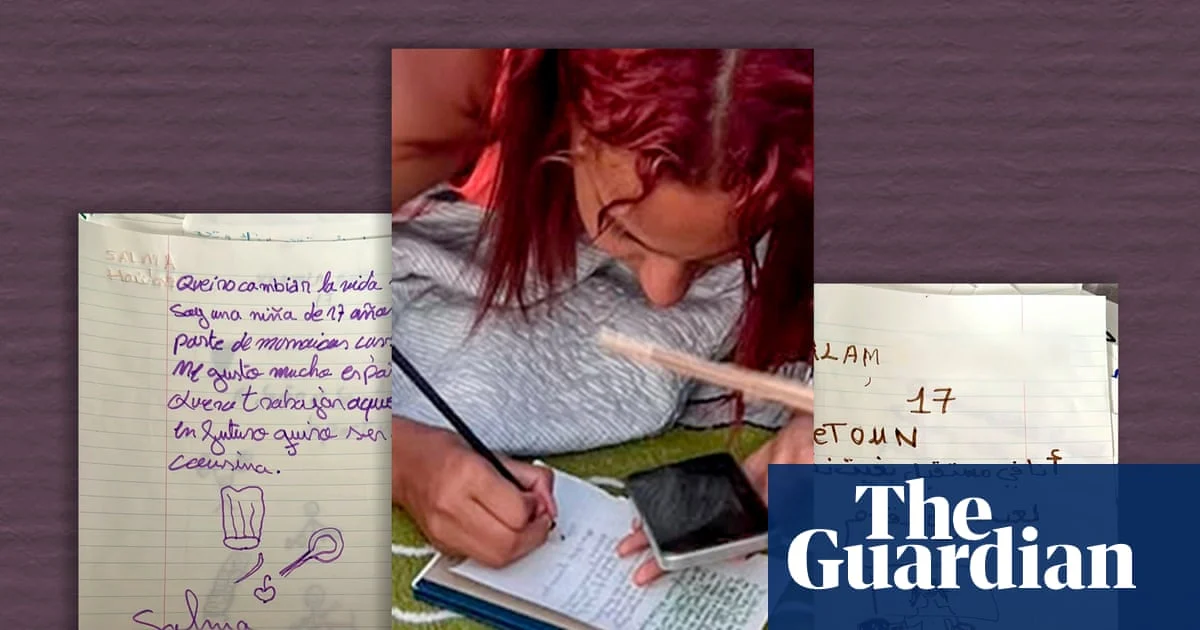
More than two dozen teenage girls in Ceuta, Spain, have shared their reasons for risking their lives in a mass crossing from Morocco in July. According to The Guardian, these girls, now living in limbo, left their homes seeking a better future, with some citing the inability to continue their education as a key factor.
KEY FACTS
- More than two dozen teenage girls are stuck in Ceuta, Spain.
- They crossed from Morocco in July, risking their lives.
- One girl, Fatin, left because she was unable to continue her education.
- She was expected to take responsibility for housework instead of studying.
WHY DID THEY LEAVE?
The decision to leave home was driven by a desire for education and a better future. Fatin, one of the girls, explained that she was forced to give up school to take on domestic responsibilities. This shift from learning to chores made her envisioned future feel increasingly distant.
WHAT IS THEIR SITUATION NOW?
Currently, the girls are living in limbo in a makeshift camp in Ceuta, a Spanish territory. Their future remains uncertain as they wait for resolutions to their immigration status. The crossing was treacherous, highlighting the risks they were willing to take for a chance at a better life.
WHAT WE KNOW / WHAT WE DON’T
Verified by the source:
- More than two dozen teenage girls crossed from Morocco to Spain in July.
- Fatin left because she was unable to continue her education.
Still unconfirmed:
- The exact number of girls involved in the crossing.
- The specific reasons for each girl’s decision to leave Morocco.
WHY IT MATTERS
This story highlights the extreme measures some individuals take to escape circumstances that limit their opportunities. It underscores the broader issue of access to education and the lengths to which people will go to secure a better future, especially for young women.
WHAT TO WATCH
Efforts to resolve the immigration status of these girls and their potential integration into Spanish society will be key developments to monitor. The international community will also watch how Spain handles this sensitive situation.