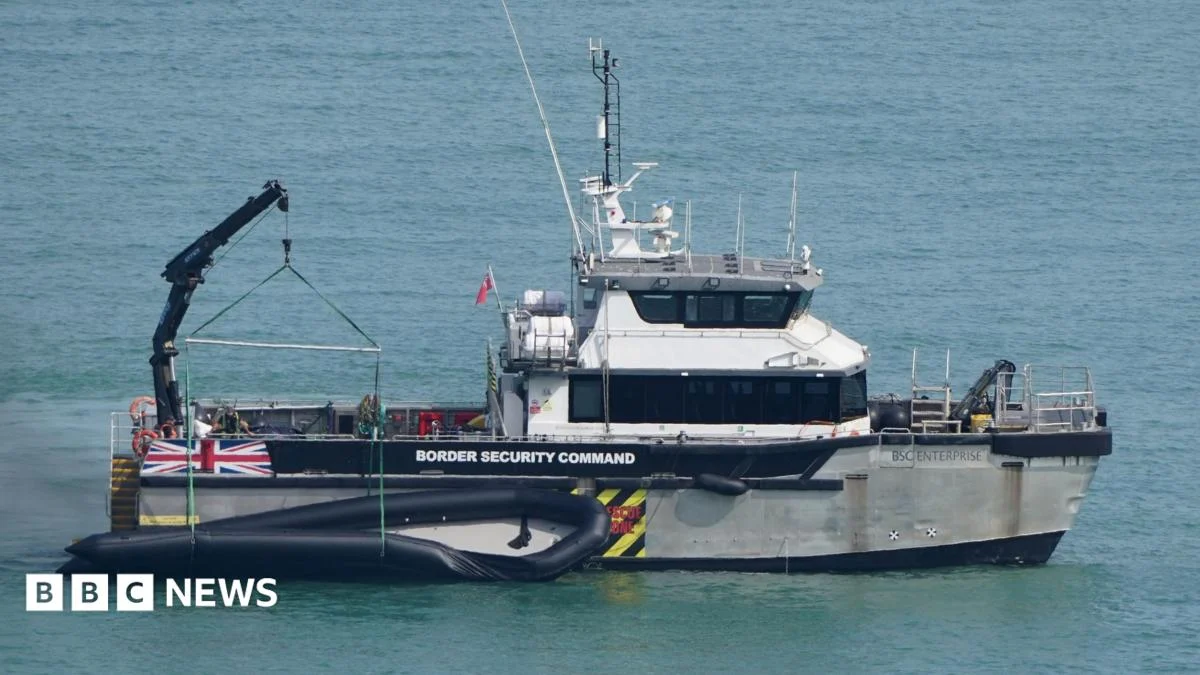
A teenager has pleaded guilty to endangering lives at sea after piloting a dinghy carrying a then-record 165 migrants across the English Channel, according to BBC News. The case highlights the ongoing risks of dangerous crossings and the legal consequences for those involved in facilitating them.
KEY FACTS
- A man admitted to endangering lives at sea.
- The incident involved piloting a dinghy with 165 migrants.
- The number of migrants was a then-record for such crossings.
THE STORY
What happened?
The case involves a teenager who pleaded guilty to endangering lives while piloting a small boat across the English Channel. The dinghy was carrying 165 migrants, a then-record number for such crossings. The legal proceedings underscore the dangers of these journeys and the legal risks for those involved in organizing or facilitating them.
Why is this significant?
This case is part of a broader pattern of dangerous migrant crossings in the Channel, which have drawn significant attention from authorities and the public. The record number of migrants on a single dinghy highlights the extreme risks taken by those attempting to reach the UK. Legal actions against those piloting the boats aim to deter such activities, though the root causes of migration remain complex.
WHAT WE KNOW — AND WHAT WE DON’T
Verified by the source:
- A teenager pleaded guilty to endangering lives at sea.
- The dinghy carried 165 migrants, a then-record number.
Still unconfirmed:
- The exact date and location of the crossing.
- The identities of the migrants or their countries of origin.
- Any additional charges or sentencing details for the teenager.
WHY IT MATTERS
This case sheds light on the ongoing challenges of migration across the English Channel, a route that has seen increasing numbers of attempts in recent years. The legal consequences for those involved in facilitating these journeys serve as a deterrent, but the human cost and broader migration issues remain pressing concerns.
WHAT TO WATCH
Further details may emerge as the legal proceedings continue, including potential sentencing for the teenager and any broader implications for migration policy.