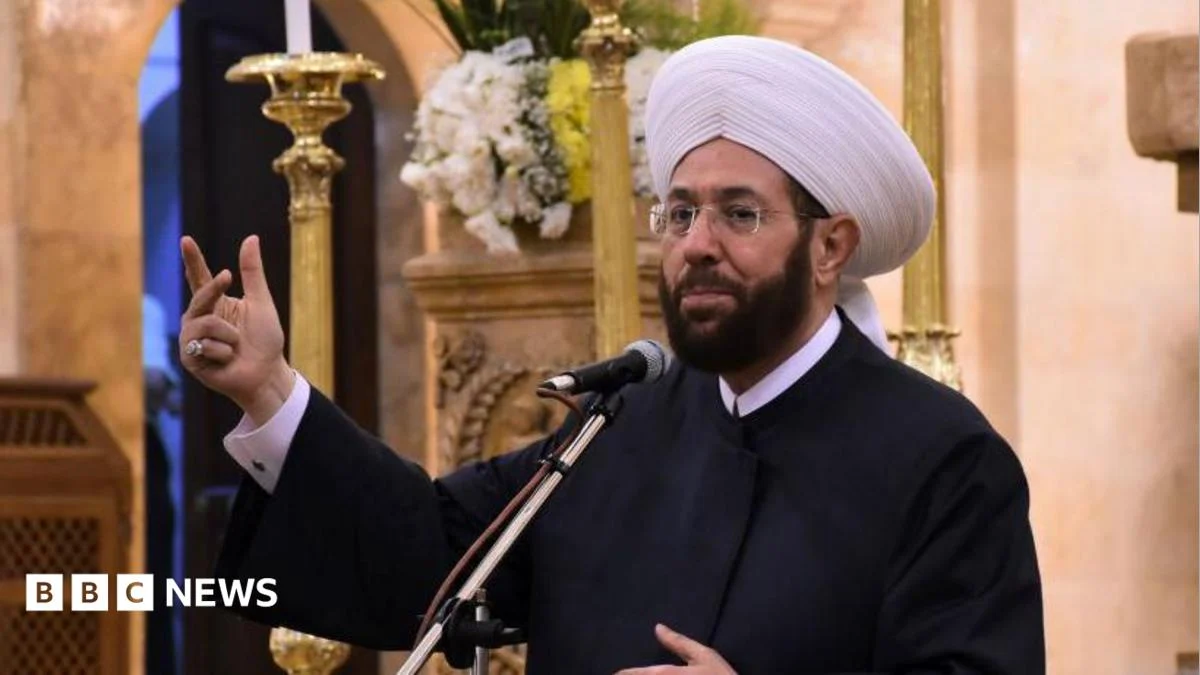
Ahmed Hassoun, the former grand mufti of Syria under President Bashar al-Assad, has been sentenced to life in prison by a Syrian court. According to BBC News, Hassoun was convicted of crimes including inciting civil war and complicity in intentional killing.
The sentencing marks a significant legal action against a high-profile figure from the Assad era. Hassoun served as Syria’s grand mufti, the country’s highest religious authority, during a period of intense conflict and unrest.
KEY FACTS
- Ahmed Hassoun was sentenced to life in prison by a Syrian court.
- He was convicted of inciting civil war and complicity in intentional killing.
- Hassoun served as Syria’s grand mufti during Bashar al-Assad’s presidency.
Who is Ahmed Hassoun?
Ahmed Hassoun held the position of grand mufti of Syria, making him the country’s highest Islamic religious authority. The role involves issuing fatwas (religious rulings) and representing Sunni Islam in Syria. Hassoun was a prominent figure during the presidency of Bashar al-Assad, serving from 2005 until his removal in 2021.
What does the conviction mean?
The life sentence represents one of the most severe punishments handed down to a former Assad-era official. The charges of inciting civil war and complicity in intentional killing suggest the court found him responsible for actions that contributed to violence during Syria’s conflict. However, the specific details of the case and evidence presented have not been disclosed in the source.
WHAT WE KNOW — AND WHAT WE DON’T
Verified by the source:
- Ahmed Hassoun has been sentenced to life in prison by a Syrian court.
- He was convicted of inciting civil war and complicity in intentional killing.
- Hassoun served as Syria’s grand mufti during Bashar al-Assad’s presidency.
Still unconfirmed:
- The specific actions that led to Hassoun’s conviction.
- Whether Hassoun plans to appeal the sentence.
- The current status of other Assad-era officials facing similar charges.
WHY IT MATTERS
The sentencing of a former high-ranking religious figure reflects ongoing legal actions against individuals associated with Syria’s government during its civil war. It demonstrates how courts are handling cases related to the conflict that has devastated the country for over a decade.
WHAT TO WATCH
Attention will focus on whether other former officials face similar charges, and how this case might influence Syria’s political and religious landscape moving forward.