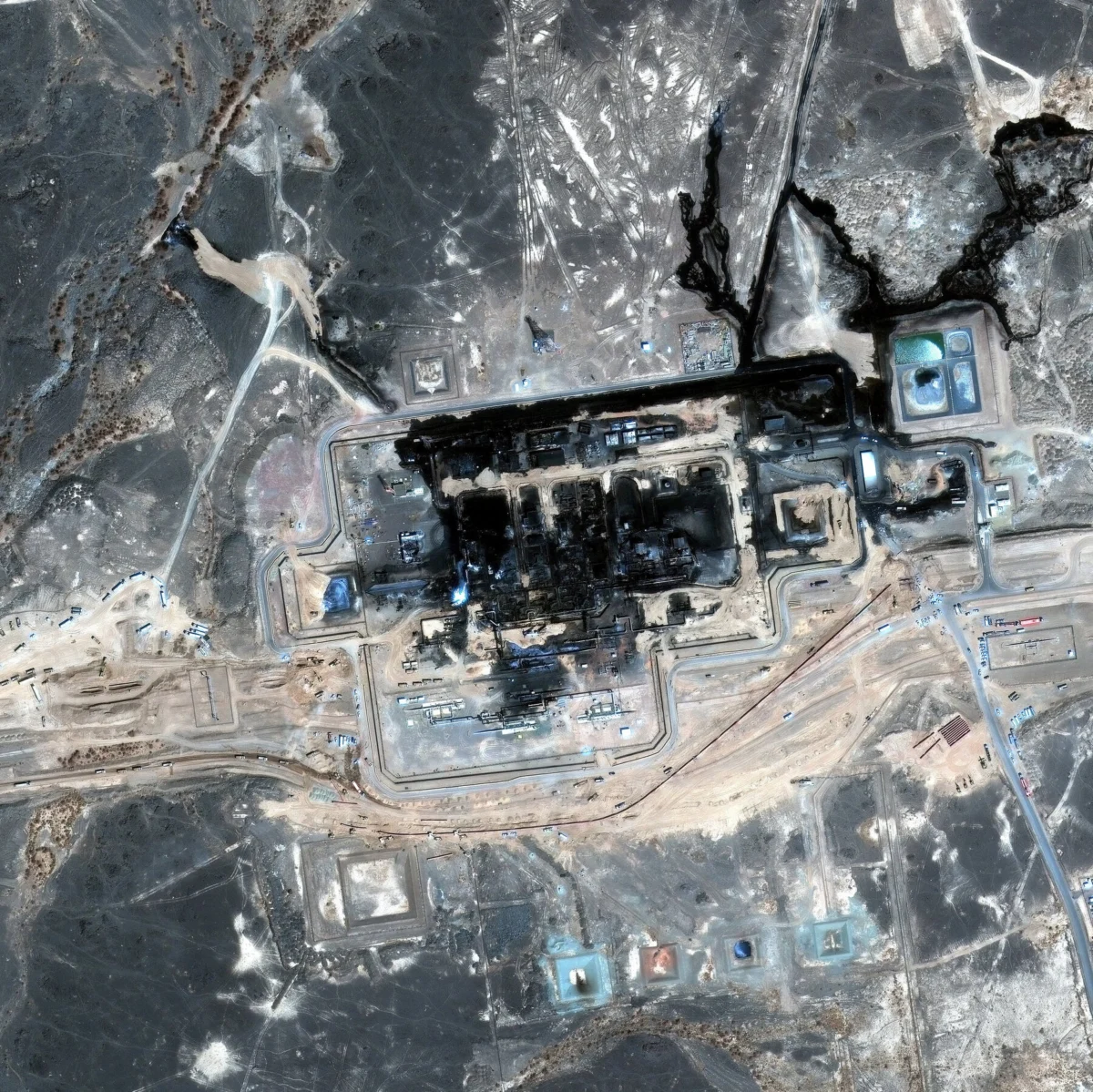
Saudi authorities have restarted oil loadings from a vital East-West pipeline that was damaged earlier this month, according to NYT > World News. The pipeline was taken offline after an attack, and tankers are now loading crude again, signaling a return to partial operations. This restart follows repairs to infrastructure damaged in a recent security incident.
Resumption of flows from the Saudi pipeline matters because the facility links the kingdom’s oil-producing regions to export terminals, making it a strategic part of global crude supply chains. Disruptions there can tighten markets and affect pricing.
- Saudi pipeline taken offline this month after damage from a drone attack.
- Damage attributed to an attack linked to an Iranian-backed Iraqi militia.
- Tankers have resumed loading oil from the facility.
What happens next?
The Saudi pipeline connects inland oil fields to coastal export terminals, serving as a critical artery for the kingdom’s crude exports. When the line was shut after the attack, traders braced for supply disruptions at a time when global oil markets are sensitive to output cuts and geopolitical risk. Now that loadings have restarted, analysts will watch whether full capacity returns and whether shipping volumes match pre-attack levels.
Market participants are likely weighing the pace of repairs against lingering security concerns. A stable flow from the Saudi pipeline could ease some near-term supply worries, while renewed threats or delays could reignite price volatility. Investors and energy traders will also monitor whether other Gulf infrastructure becomes a target, given the cross-border dynamics described in the reporting.
Who is affected?
Crude buyers, refiners, and global consumers are affected when the Saudi pipeline is offline or operating below capacity. The East-West pipeline links Saudi Arabia‐s producing areas to export terminals, so disruptions can tighten seaborne supply and push prices higher. Traders are also watching regional security conditions, since further incidents could interrupt flows and raise energy costs worldwide.
For the broader economy, oil shipments from the Gulf underpin transport fuels and industrial feedstocks across Asia, Europe, and the Americas. Any uncertainty around the Saudi pipeline adds to existing market jitters over supply reliability and can weigh on inflation and growth forecasts.
How did we get here?
The shutdown began when the Saudi pipeline was damaged, with the attack tied to an Iranian-backed Iraqi militia, according to NYT > World News. Authorities moved quickly to take the line offline, assess damage, and begin repairs before restarting loadings.
Global oil markets have faced repeated supply shocks in recent years, and the Saudi pipeline remains one such chokepoint. Each incident prompts fresh scrutiny of Gulf security and the durability of export infrastructure.
What We Know — and What We Don’t
Verified by the source:
- Officials took the Saudi pipeline offline after it was damaged this month.
- The damage was caused by a drone attack linked to an Iranian-backed Iraqi militia.
- Tankers are loading oil again from the facility.
Still unconfirmed:
- Exact dates of the shutdown, attack, or restart.
- Current operating capacity versus pre-incident levels.
- Casualties or broader damage from the attack.
- Official statements or responses from Saudi or Iraqi authorities.
Why it matters
Oil flows through the Gulf region touch global energy prices, shipping costs, and economic outlooks across continents. When a major artery like the Saudi pipeline is disrupted, even briefly, it can ripple into fuel costs and inflation for consumers worldwide, especially in import-dependent economies. Market participants therefore treat any sign of restored capacity as a signal of easing supply risk.
What to watch
Watch for official updates on Saudi pipeline flows, repair timelines, and whether security conditions stabilize. Sustained, full-volume shipments would indicate a confirmed recovery, while further incidents could reverse recent market relief.