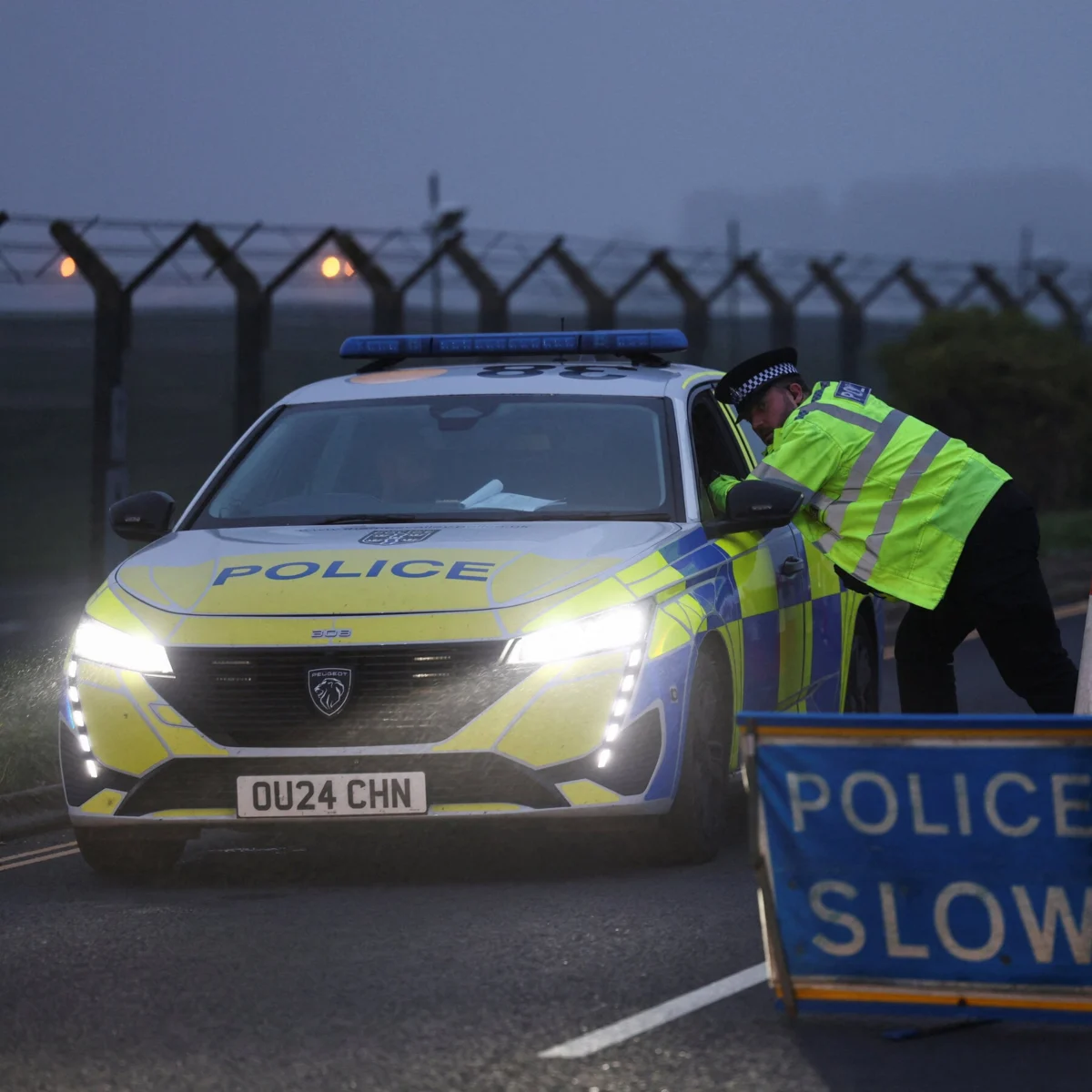
In a case that sparked heightened security measures across Europe, British authorities found no bombs or explosive devices linked to a suspected plot targeting a U.S. air base. Despite the absence of physical evidence, officials have maintained that the underlying air base threat is genuine, leaving investigators and security personnel navigating uncertainty and ongoing risk.
The incident, which began with the arrest of suspects later released on bail, underscores the challenges faced by intelligence and law enforcement agencies when assessing threats that may not materialize into concrete attacks. The lack of recovered explosives raises questions about the nature of the intelligence that initially prompted alarm, while officials insist that the danger remains credible enough to warrant continued vigilance.
KEY FACTS
- No bombs or explosives were found in connection with the UK air base threat investigation.
- Officials maintain that the air base threat remains real despite no physical evidence recovered.
- Suspects in the case were released on bail pending further inquiry.
- Security protections were increased across European bases following the threat assessment.
- The situation reflects broader confusion surrounding intelligence-based threat evaluations.
The Story
What happens next?
With suspects released on bail, authorities are likely to continue forensic and digital analysis in an effort to substantiate or dismiss the intelligence behind the air base threat. The outcome of that inquiry will determine whether security levels remain elevated or are scaled back, though officials have already signaled confidence in the legitimacy of the threat.
European security protocols have been adjusted in response, with U.S. and allied forces reviewing contingency plans. These reviews include coordination with British counterparts to ensure consistent threat assessments and communication channels remain open across bases hosting joint operations.
Public statements from officials emphasize that precautionary measures are not taken lightly, particularly in environments where misinformation can distort both public perception and operational effectiveness. At this stage, transparency is limited due to ongoing legal proceedings and investigative sensitivity.
How did we get here?
The sequence of events began with intelligence reports flagging a potential plot targeting a U.S. facility in the UK, prompting immediate protective actions. While no devices were ultimately discovered, the initial credible tip led to arrests and a temporary surge in military security posture throughout NATO-linked installations in Europe.
Such escalations often stem from classified briefings shared between intelligence services, which sometimes contain fragmentary or circumstantial data. Translating that information into actionable decisions without overreacting becomes a balancing act for defense and interior ministries alike.
The complexity increases when suspects are released without charge, as it invites scrutiny into whether preventive detentions serve strategic goals. Nonetheless, leaders across affected nations have stressed interoperability and readiness as core priorities amid evolving global tensions impacting air base threat preparedness.
Who is affected?
Air base threat considerations now play a role in daily routines for service members stationed at U.S. and allied facilities across Europe. Heightened patrols, restricted access zones, and updated emergency drills reflect institutional responses shaped less by visible evidence and more by classified intelligence flows informing command structures.
Civilian contractors and local communities near these installations may also feel indirect effects through increased law enforcement presence or procedural delays tied to verification checks. Though disruptive, such measures align with long-standing protocols designed to protect critical infrastructure during periods of elevated alert status.
Regional diplomatic ties are tested too, especially where foreign bases operate under bilateral agreements. Host governments must balance sovereignty concerns with alliance obligations, particularly when addressing public anxiety rooted in ambiguous threat disclosures related to the air base threat landscape.
WHAT WE KNOW — AND WHAT WE DON
Verified by the source:
- No bombs or explosives were recovered during searches tied to the suspected plot.
- U.S. and European officials describe the air base threat as credible enough to justify enhanced security.
- Arrested individuals were released on bail while investigations continue.
- Security upgrades were implemented across multiple European bases after threat identification.
- The case originated from intelligence reporting, not overt criminal activity.
Still unconfirmed:
- Specific details regarding the identities or nationalities of those detained and released.
- The precise intelligence source or methodology used to assess the validity of the air base threat.
- Which particular base or bases triggered the widened European response.
- How long elevated security measures are expected to remain in place.
- Whether any charges will eventually be filed based on new findings.
WHY IT MATTERS
This episode illustrates the difficulties modern states face when acting on incomplete intelligence, especially in matters involving military targets and transnational security interests. The ability to respond decisively without full proof defines much of current counterterrorism strategy.
WHAT TO WATCH
Authorities have yet to announce formal conclusions from ongoing investigations. Future developments could include revised threat advisories, policy adjustments, or renewed diplomatic discussions around basing arrangements if the air base threat evolves or new evidence surfaces.