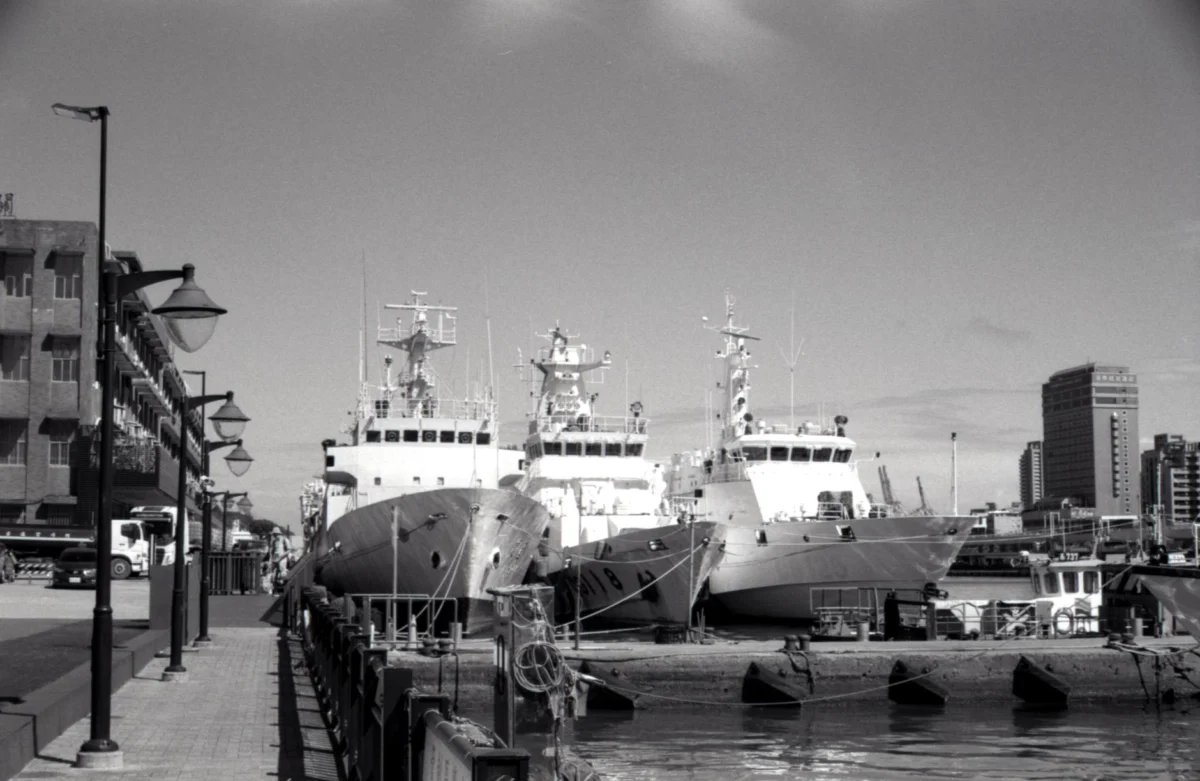
Taiwan ships have been instructed by Taipei to ignore boarding requests made by the China Coast Guard, as reported by The Straits Times. The guidance reflects heightened tension over maritime encounters in the region.
Why does this matter?
The directive underscores the strategic contest between Taiwan and China in waters claimed by both sides. It also signals Taipei’s resolve to maintain autonomy over its vessels without yielding to Chinese enforcement actions.
What are the implications for regional security?
Analysts note that such a stance could increase the risk of confrontations at sea, prompting closer monitoring by naval forces from both sides. The move may also affect commercial shipping routes that pass near contested areas, raising concerns for insurers and trade partners.
While the statement originates from Taipei, no specific officials or quotes were identified in the source. The guidance is part of a broader pattern of diplomatic and operational measures taken by Taiwan to assert its maritime rights.
Observers in the war-geopolitics arena will likely watch how the China Coast Guard responds to the instruction and whether any incidents occur that could alter the balance of behavior in the South China Sea.
Future developments may include further official communications from either side, adjustments in patrol patterns, or diplomatic outreach aimed at de‑escalating potential flashpoints. The situation remains fluid, and stakeholders are advised to stay informed through reliable news feeds.