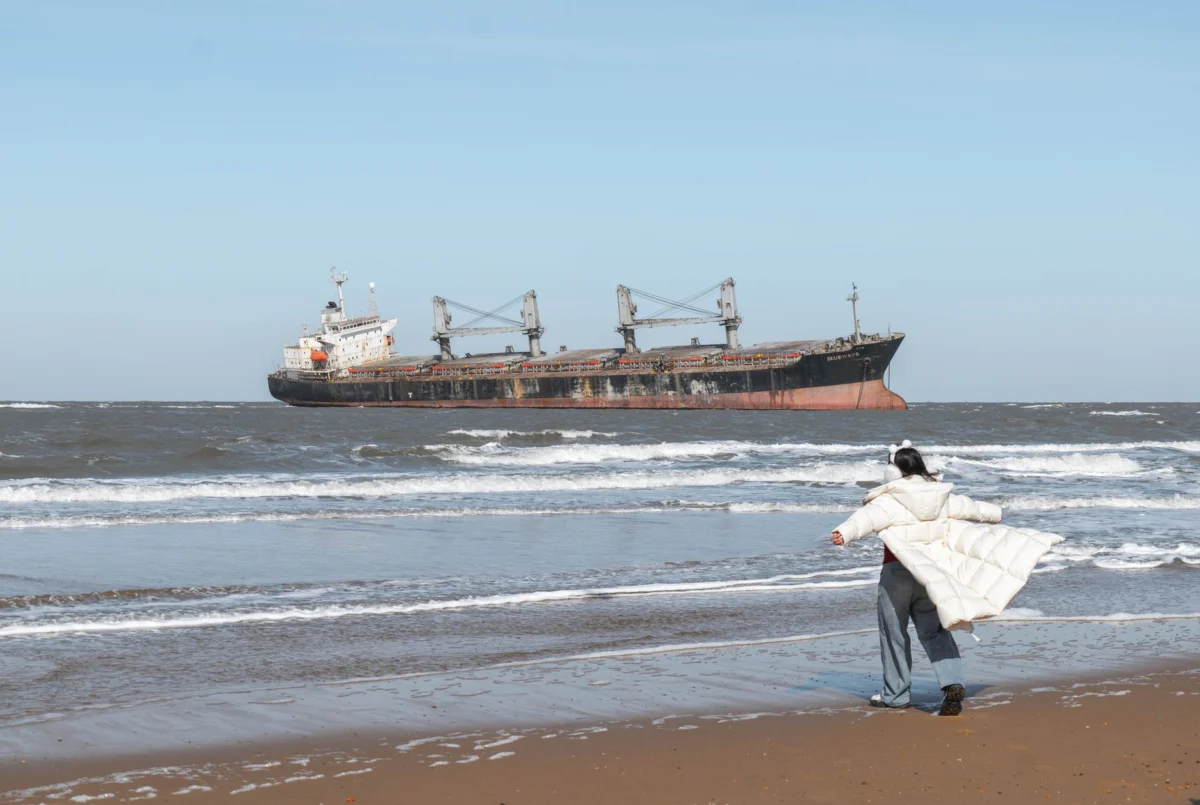
A ship grounded in the strategic Strait of Hormuz after it left a course designated by Iranian authorities, reports Anadolu Ajansı. The incident highlights the sensitivity of navigation in the narrow waterway.
What happened?
The vessel entered the Hormuz channel, then departed from the route that Iran has marked for maritime traffic. After the deviation, the ship ran aground. No additional details about the vessel, its cargo, or the exact location were provided.
Why does this matter?
The Strait of Hormuz is a crucial chokepoint for global oil shipments. Any disruption, even a single ship grounding, can raise concerns about the safety of navigation and the potential for broader maritime incidents. The incident underscores the importance of adhering to designated lanes in a region where tensions frequently surface.
Potential implications
While the report does not specify the cause or the extent of damage, a grounded ship could temporarily impede traffic, requiring tug assistance or dredging to clear the channel. Regional maritime authorities may issue advisories to ensure vessels remain on the prescribed routes, aiming to prevent similar occurrences.
What happens next?
Authorities are expected to assess the situation, determine whether the grounding poses a hazard to other ships, and arrange for the vessel’s removal if needed. Monitoring by regional navies and commercial shipping firms will likely continue to ensure the waterway remains open.
For broader context on how incidents in the Persian Gulf affect international security, see the war‑geopolitics archive.
Maintaining safe passage through the Hormuz corridor is essential for global trade, and any interruption, even brief, can have ripple effects on energy markets and diplomatic relations.