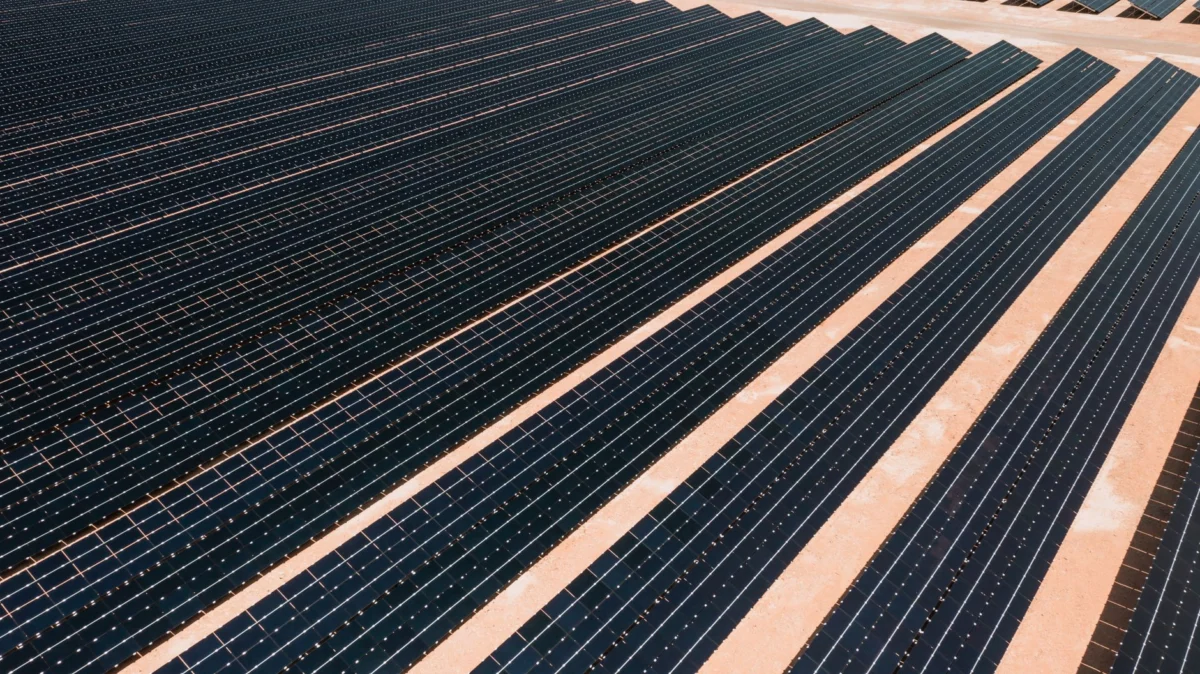
Pattern Energy has officially completed the SunZia wind farm and its 550‑mile transmission line, delivering up to 3.5 GW of clean electricity to Arizona, New Mexico and California.
The project, which began in 2016, culminated this week when the final 30‑kilovolt mile of line was energized at the Hopi Reservation. The moment was marked by a modest celebration at the substation, where local tribal leaders cut a ceremonial ribbon while the turbines spun silently against a pink‑orange desert sky.
What the SunZia transmission line delivers
Spanning 550 miles from the high‑altitude mesas of New Mexico to a new interconnection hub near Phoenix, the line can move roughly 5,000 megawatts of wind power per hour. That capacity is enough to power about 1.2 million homes, according to Pattern Energy’s technical briefing.
The wind farm itself hosts 400 turbines, each standing 300 feet tall. Together they generate an estimated 3.5 GW at peak, enough to offset the carbon emissions of roughly 2 million gasoline‑powered cars each year.
Why does this matter?
America’s Southwest faces a growing electricity demand driven by population growth and electrification of transport. The SunZia transmission line adds a massive, carbon‑free supply corridor, easing pressure on fossil‑fuel plants and helping states meet their 2030 clean‑energy targets.
For consumers, the new line could translate into lower utility bills as renewable power becomes cheaper than natural‑gas generation. For policymakers, it provides a tangible example of how public‑private partnerships can overcome the “last‑mile” hurdle that has stalled many renewable projects.
Geopolitical ripple effects
While the story is about wind turbines and steel towers, it reverberates in the broader war‑geopolitics arena. The rapid deployment of clean energy infrastructure reduces reliance on imported fossil fuels, a strategic advantage as global tensions with Russia and the Middle East continue to strain energy markets.
Analysts note that the SunZia line could serve as a template for similar projects across the continent, potentially reshaping the United States’ energy independence narrative.
What happens next?
Pattern Energy plans to sell the generated power through long‑term contracts to utilities in Arizona, California and New Mexico. Meanwhile, the company is eyeing a second phase that would add storage capacity, smoothing out the intermittency of wind and further solidifying the grid’s resilience.
Stakeholders will watch closely how quickly the line fills its capacity, and whether the expected price reductions materialize for everyday households.
Meta description: Pattern Energy completes SunZia wind farm and 550‑mile transmission line, adding 3.5 GW of renewable power to the Southwest grid.
Read more about the intersection of energy and security in our war‑geopolitics section, and explore the financial implications in economy and markets.