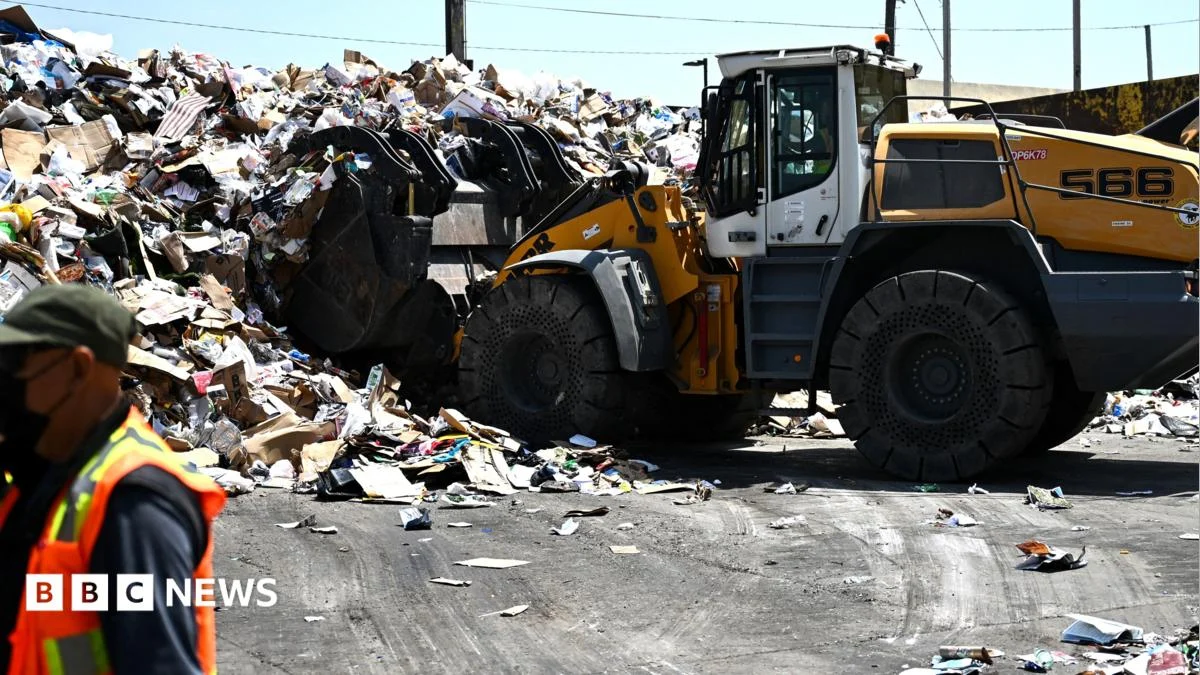
Smell monitoring technology is becoming more common at rubbish dumps and industrial facilities, suggesting new tools may help communities detect and respond to nuisance odors more reliably. The development reflects growing interest in using data-driven approaches to track emissions that traditional air-quality networks often overlook.
Advocates say better odor tracking can clarify who is responsible for releases, ease disputes between neighbors and facilities, and give regulators firmer footing when enforcing rules. Critics caution that sensors alone cannot settle every complaint, but most agree that systematic monitoring is preferable to relying on occasional, subjective reports.
Key Facts
- Smells from rubbish dumps and industrial facilities are being more carefully monitored.
- Technology is being used to track odors at waste and industrial sites.
- Monitoring aims to provide clearer data on nuisance emissions.
- Regulators and communities may use the data to address odor complaints.
Odors from landfills and manufacturing plants have long been difficult to manage because they are fleeting, variable, and hard to measure objectively. A resident’s description of “garbage smell” on a given day does not easily translate into an enforceable violation, which is why many complaints end in disagreement rather than resolution.
Recent advances in sensor design have changed that picture. Low-cost electronic noses, networks of wireless air-quality stations, and data platforms that correlate odor reports with weather and activity logs now give operators and authorities a way to log events in real time. Instead of debating whether a smell occurred, agencies can ask whether the recorded levels exceed agreed-upon thresholds.
How Did We Get Here?
For decades, odor regulation relied heavily on complaint-driven models. Citizens called hotlines, officials responded when they could, and facilities adjusted operations only when pressured. That approach left gaps: smells often dissipated before inspectors arrived, and facilities disputed whether releases were unusual or within permitted ranges.
The shift toward continuous monitoring mirrors broader trends in environmental oversight. As sensors become cheaper and communication networks more reliable, regulators worldwide have begun requiring real-time reporting for everything from water discharge to noise. Odor, long considered too subjective for automated tracking, is now treated as another measurable output that facilities can be held accountable for.
What Happens Next?
With monitoring expanding, questions remain about how the collected data will be used. Will records be made public so communities can track local air quality themselves? How will thresholds be set without creating new burdens that push activity elsewhere? And which technologies will prove reliable enough to withstand weather, debris, and long-term use at industrial sites.
Industry representatives have signaled openness to transparency tools that produce consistent records, while community groups emphasize that data must lead to action, not just documentation. The balance between innovation and accountability will likely shape future policies.
Meta description: Smell monitoring technology expands at dumps and industrial sites to track nuisance odors with data-driven tools.
What We Know — and What We Don’t
Verified by the source:
- Smells from rubbish dumps and industrial facilities are being more carefully monitored.
- Technology is involved in tracking these odors.
Still unconfirmed:
- Specific types of sensors or systems being deployed.
- How many sites are using the new monitoring.
- Whether public access to the data will be provided.
Why It Matters
Improved smell monitoring bridges a long-standing gap between community experience and regulatory enforcement. When odors can be measured and logged rather than merely described, disputes have a firmer factual basis, and environmental oversight becomes more responsive to daily life in neighborhoods near industrial activity. This ties directly into the broader economy and markets conversation around compliance costs, liability, and the value of environmental data as a tradable or reportable asset, while also intersecting with climate and environment coverage on emissions tracking.
What To Watch
Officials have yet to detail how the collected data will inform future odor regulations. Further guidance from regulators is expected as pilot programs mature and sensor costs decline.