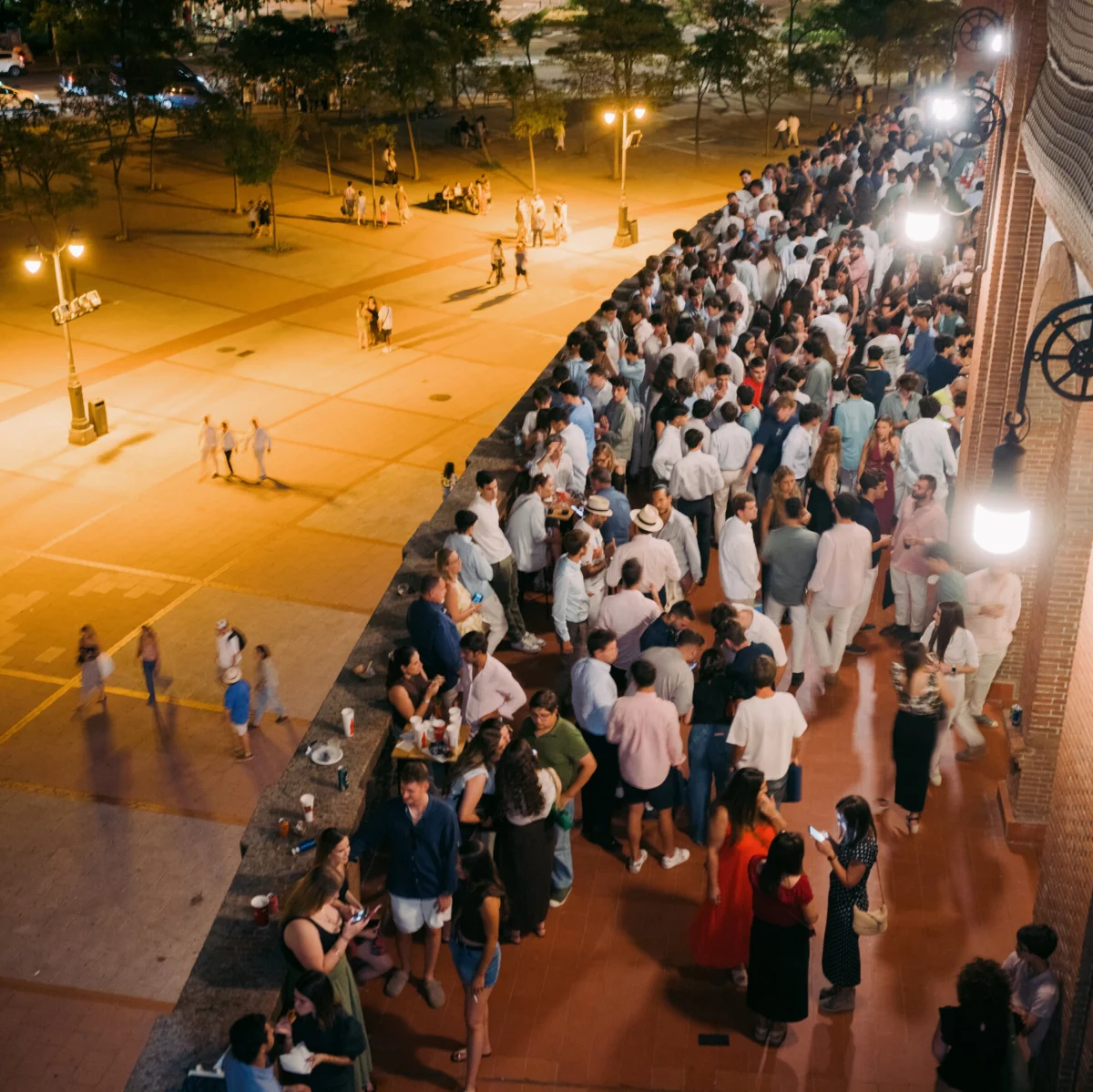
Spanish conservative youth are gaining visibility in cultural and political spaces, marking a shift after eight years of left-wing governance. These young conservatives, often called Cayetanos, are using style and symbolism to express a countercultural identity.
The trend reflects broader dissatisfaction among some segments of Spanish society who oppose policies associated with recent left-wing administrations. This movement is being interpreted as a sign of changing attitudes among younger demographics.
KEY FACTS
- Young Spaniards called Cayetanos wear preppy clothing like loafers.
- They define themselves as countercultural after eight years of left-wing rule.
- Their visibility has grown recently in Spain’s political and cultural scenes.
- They use fashion and lifestyle choices to express ideological identity.
Who Are the Cayetanos?
The term Cayetanos refers to young, affluent Spaniards who favor conservative values and preppy aesthetics. Their name originates from a political faction linked to Spain’s conservative Popular Party, though their current influence extends beyond formal party lines. These individuals often gather in urban centers like Madrid, where private clubs and exclusive events serve as gathering points. Their lifestyle choices, including tailored attire and traditional social customs, contrast sharply with the progressive norms promoted during years of left-wing governance. This group includes students, professionals, and entrepreneurs who view themselves as outsiders despite their privileged backgrounds.
Why Are They Gaining Attention Now?
The rise of Spanish conservative youth coincides with growing discontent toward left-wing economic and social policies. After eight years of progressive leadership, many young people have begun questioning the direction of the country. Economic concerns such as inflation, housing shortages, and unemployment have fueled frustration among those who feel marginalized by government initiatives. The Cayetanos channel this sentiment through visible displays of identity, drawing media coverage and online attention. Social platforms amplify their presence, turning personal expression into collective movement.
How Did We Get Here?
Spain’s political landscape shifted decisively toward the left in 2018 when Pedro Sánchez became Prime Minister following a no-confidence vote against the conservative government. His administration pursued reforms including gender equality laws, climate targets, and expanded welfare programs. However, these changes sparked backlash among portions of the population concerned about fiscal responsibility and cultural shifts. Young conservatives emerged more prominently during this period, leveraging digital tools to organize and share their perspectives. As elections approach, analysts watch whether this demographic will translate visibility into electoral impact.
What We Know — and What We Don’t
Verified by the source:
- Young Spaniards identifying as Cayetanos adopt preppy clothing styles including loafers.
- They describe themselves as countercultural after eight years of left-wing government.
- Media coverage highlights their increasing prominence in Spain today.
Still unconfirmed:
- The exact number of individuals involved in the Cayetano movement.
- Official ties between these youth and any political party structures.
- Electoral outcomes tied directly to their growing visibility.
Why It Matters
Shifts in youth political culture can shape long-term policy directions and democratic discourse. In Spain, the emergence of organized conservative youth signals potential realignment in voter preferences, especially as younger generations weigh competing visions for society. Understanding these dynamics helps contextualize global trends in populism and identity politics.
What To Watch
Upcoming elections may reveal whether Spanish conservative youth translate cultural visibility into measurable political gains. Analysts expect continued scrutiny of how lifestyle movements intersect with formal political engagement.