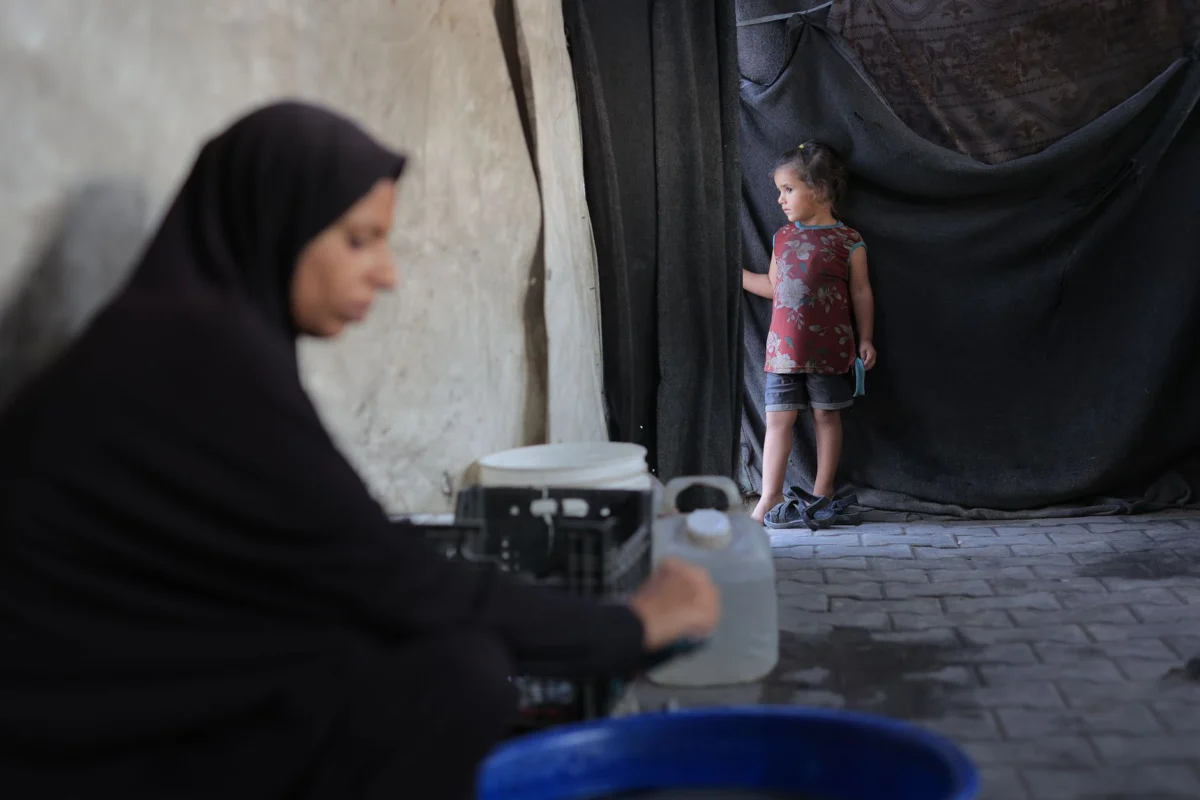
A building in the Gaza Strip that was damaged three years ago by an Israeli airstrike collapsed suddenly, killing at least 21 people, according to reporting from World. The victims had nowhere else to go, highlighting the acute housing shortage facing residents of the territory.
The collapse underscores how deteriorating infrastructure tied to prolonged conflict continues to endanger civilians. With limited access to safe housing, many families remain in structures deemed uninhabitable, leaving them vulnerable to sudden disasters.
Key Facts
- A building damaged three years ago by an Israeli airstrike collapsed suddenly.
- At least 21 people died in the collapse.
- The victims had no other place to live.
- The incident reflects an acute housing shortage in the Gaza Strip.
What Happens Next?
Following the collapse, attention is likely to turn to emergency response efforts and the broader challenge of providing safe shelter in Gaza. The United Nations and humanitarian agencies have repeatedly warned of dire living conditions amid ongoing conflicts and restrictions.
Reconstruction in Gaza remains severely limited due to restrictions on materials and access. Families living in damaged buildings face continued risk, particularly when displacement is not an option. International observers may push for greater accountability and support for affected communities.
The incident may also intensify discussions about civilian protection and long-term recovery plans. Until adequate housing is restored, vulnerable residents will remain exposed to similar threats.
How Did We Get Here?
The building had been damaged during hostilities three years prior, but residents stayed due to few alternatives. This reflects a wider pattern in which damaged homes are not rebuilt or vacated, leaving occupants in harm’s way.
Gaza’s population faces severe shortages in basic services and housing, compounded by movement restrictions. Decades of conflict have left thousands of homes partially destroyed or uninhabitable.
International aid efforts have struggled to meet demand, and reconstruction projects often stall due to funding or access issues.
What We Know — and What We Don’t
Verified by the source:
- A building damaged three years ago by an Israeli airstrike collapsed suddenly.
- The collapse resulted in at least 21 deaths.
- Those who died lived in the building because they had nowhere else to go.
Still unconfirmed:
- The exact cause of the sudden collapse beyond prior damage.
- Names or identities of those affected.
- Timeline of events leading up to the incident.
- Official response or investigation status.
Why It Matters
The Gaza building collapse illustrates how unresolved housing damage and restricted displacement options expose civilians to grave risk. The ongoing crisis highlights the humanitarian toll of protracted conflict and the urgent need for safe, durable housing solutions.
What To Watch
Further details may emerge as humanitarian groups assess the aftermath and advocate for improved shelter and protection measures. Continued reporting will track conditions in other at-risk buildings across the region.