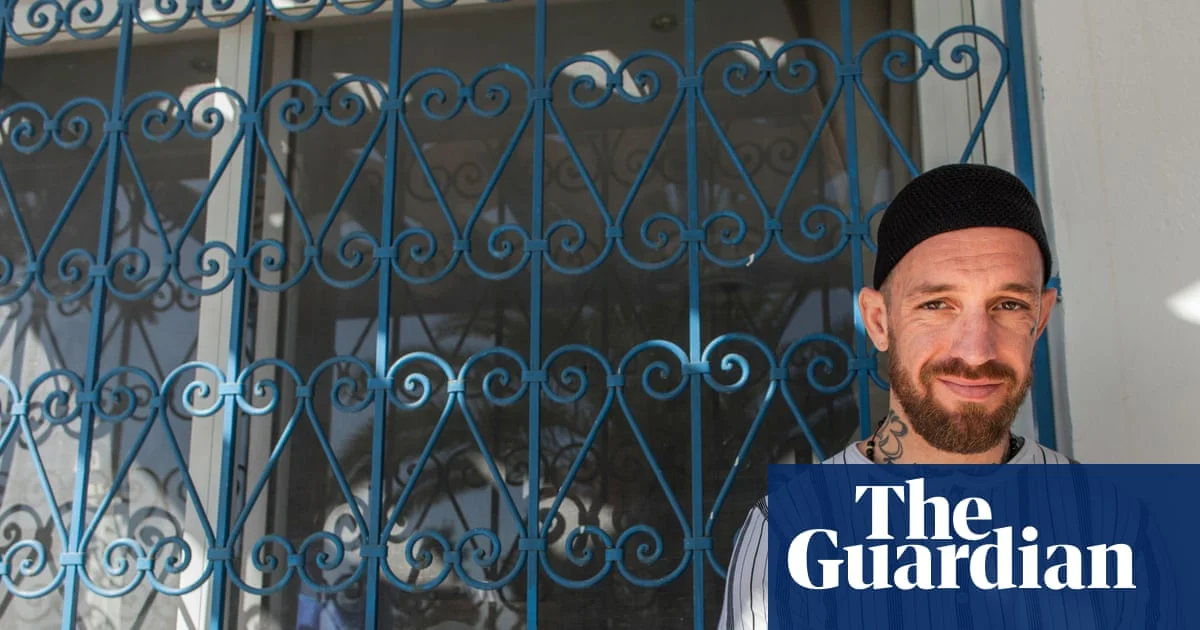
Spain has cleared the way for a US extradition request involving James ‘Fergie’ Chambers, a wealthy American activist detained in Madrid over allegations of supporting Hamas. The decision permits Spanish courts to continue examining the Trump administration’s bid to transfer Chambers to the United States. This marks the first known instance of the US seeking extradition of a citizen accused of funding Hamas-linked activities, underscoring increasing legal tensions between Washington and humanitarian actors operating in contested regions.
Chambers, identified as a US citizen and donor to left-wing and humanitarian causes, was already imprisoned in Madrid when the extradition process began. His legal team argues that he is facing political persecution, particularly in connection with donations made to initiatives such as the Sameer Project in Gaza. The case raises complex questions about free speech, humanitarian aid, and counterterrorism obligations under international and bilateral agreements between Spain and the United States.
Key Facts
- Spain allows US extradition case against James ‘Fergie’ Chambers to proceed in its courts.
- Chambers is a US citizen currently imprisoned in Madrid.
- He is accused of supporting Hamas, linked to money donated to Palestinian causes.
- One recipient of his funding is the Sameer Project in Gaza.
- His lawyers claim he is being subjected to political persecution.
What happens next?
The extradition proceedings will now move forward within the Spanish judicial system. Courts must evaluate whether the formal request meets the criteria set forth in the bilateral treaty governing extradition between Spain and the United States. These treaties typically require assurances that the individual will receive fair treatment and that any charges fall within the scope of extraditable offenses. Given the political sensitivity surrounding Hamas-related cases, Spanish judges may also consider human rights protections enshrined in European law before reaching a final ruling.
In the meantime, Chambers remains incarcerated in Madrid. His defense team has publicly framed the extradition attempt as politically motivated, suggesting that humanitarian efforts are being misconstrued or punished under the guise of counterterrorism. Whether the courts accept these claims hinges largely on how they interpret the nature of Chambers’ financial contributions and his stated intent behind them. Precedents involving similar cases could influence the outcome significantly.
Who is affected?
Beyond Chambers himself, this case has broader implications for activists, aid workers, and NGOs engaged in humanitarian work in conflict zones like Gaza. If convicted—or even extradited—the precedent might deter others from extending financial or logistical support to groups operating in areas governed by designated terrorist organizations. It also places pressure on countries like Spain, caught between upholding international law and maintaining diplomatic relations with major powers like the United States.
For pro-Palestinian advocacy networks, the case highlights the delicate balance between providing aid and inadvertently becoming entangled in legal frameworks aimed at curbing terrorism financing. Legal experts note that while many nations prohibit material support to Hamas, definitions vary widely, especially regarding indirect or third-party donations. How this ambiguity plays out in court could shape future policies affecting civil society actors globally.
How did we get here?
The roots of the current situation trace back to Chambers’ history of philanthropy aligned with progressive politics and solidarity movements in the Middle East. As a private individual, he channeled funds into various projects supporting Palestinian communities affected by ongoing violence. However, some of those initiatives reportedly intersected with entities later linked to Hamas—an organization blacklisted by both the EU and the US government. Once US authorities flagged these connections, they initiated steps toward extradition via diplomatic channels—a mechanism rarely used in civilian humanitarian aid disputes until now.
Spanish authorities initially detained Chambers following an Interpol red notice issued at the request of the United States. Since then, his case has attracted attention from activists who argue that criminalizing humanitarian assistance undermines fundamental freedoms. Meanwhile, prosecutors maintain that adherence to anti-terror financing statutes transcends borders and should not be compromised regardless of motives.
What We Know — and What We Don’t
Verified by the source:
- The Spanish government approved continuation of the US extradition request.
- James ‘Fergie’ Chambers is a US citizen held in Madrid.
- He faces accusbations of supporting Hamas through monetary donations.
- Funding recipients include the Sameer Project in Gaza.
- His attorneys describe the case as politically driven persecution.
Still unconfirmed:
- Specific details about the timing of the extradition process or hearings.
- The exact amount or total value of donations tied to Hamas allegations.
- Names of specific officials involved in Spain’s decision-making body.
- Whether the US provided assurances regarding due process protections.
- Any prior arrest warrant timelines or dates relevant to detention status.
Why it matters
This case tests the boundaries of humanitarian law and free expression across jurisdictions where aid work intersects with sanctioned groups. For global civil society, the stakes involve clarifying acceptable risks in delivering aid amid wartime conditions—and ensuring that generosity does not become grounds for prosecution abroad.
What to watch
All eyes remain on the Spanish judiciary as it weighs the legality of honoring the US extradition bid. A ruling either way stands likely to set a precedent influencing future humanitarian engagements in politically sensitive regions. Meanwhile, no comments have yet emerged from key legal representatives beyond initial statements from defense counsel labeling the move as targeting aid itself.