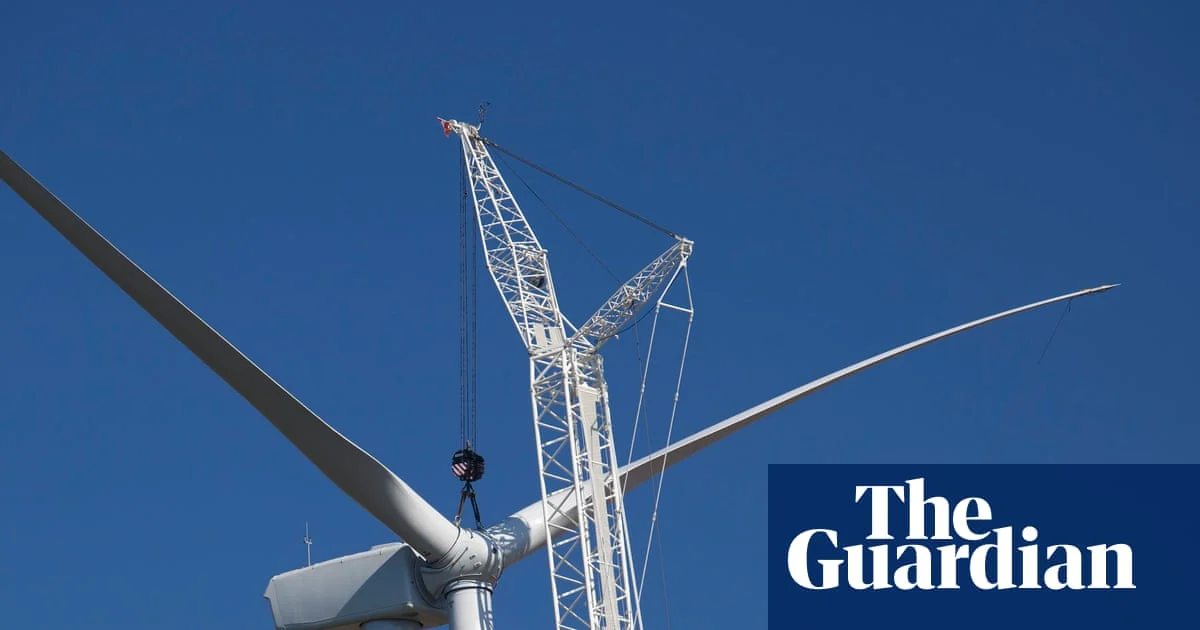
California and New York have sued the Trump administration over its effort to cancel offshore wind energy projects by buying back previously awarded leases. The lawsuit, filed by Democratic state attorneys general, targets federal actions taken this summer intended to halt the expansion of wind energy development along both the East and West Coasts. The administration said in June it was reclaiming U.S. offshore wind leases held by Chicago-based Invenergy for four separate wind projects.
- Democratic attorneys general from California and New York sued the Trump administration over wind energy projects lease buybacks.
- The Trump administration began buying back offshore wind energy projects leases from companies including Invenergy.
- The reclaimed leases cover four wind energy projects on the East and West Coasts.
- California Attorney General Rob Bonta is specifically challenging the removal of one project off California’s coast.
- The buybacks are part of a broader push to favor fossil fuels over renewable energy sources.
What happens next?
The legal battle now moves to federal court, where a judge will consider whether the government can legally cancel offshore wind energy projects leases already granted to developers. The outcome could determine whether existing renewable energy agreements survive the administration’s policy reversal. Courts have generally required strong justification before governments cancel contracts with private companies, especially those involving multi-billion-dollar infrastructure investments.
Environmental groups and clean energy advocates are watching closely, as this case may set a precedent for how aggressively federal agencies can reverse course on climate-related policies. A favorable ruling for the states could reinstate the Invenergy projects and block further cancellations. An adverse ruling, however, may clear the way for additional buybacks and weaken investor confidence in long-term clean energy planning.
Meanwhile, Invenergy has not publicly commented on the lawsuit or the lease termination process. Industry analysts note that such reversals create uncertainty for international developers who rely on stable regulatory frameworks when committing capital to large-scale energy projects.
Who is affected?
The dispute directly affects Invenergy and other energy companies that secured offshore wind energy projects leases under previous administrations. These firms had planned multibillion-dollar investments in construction, operations, and job creation tied to those leases. Canceling them disrupts business models, raises sunk-cost concerns, and may lead to financial losses or delayed retirement of older fossil fuel plants.
Critics argue the administration’s actions harm regional economies dependent on clean energy jobs, particularly in coastal communities expecting employment from turbine manufacturing and port upgrades. Supporters claim halting wind energy projects protects ratepayers from rising electricity costs and preserves domestic energy independence through oil, gas, and coal production.
State governments involved in the suit contend they have enforceable interests in ensuring federally approved renewable energy projects proceed, especially if states have committed matching subsidies or infrastructure funds. Their legal strategy likely centers on procedural irregularities — arguing the buyback lacked proper notice-and-comment rulemaking or violated established contracting norms.
How did we get here?
The Trump administration has repeatedly sought to slow the growth of wind energy projects despite bipartisan support for expanding renewables. In June, officials announced the reclamation of several offshore wind energy projects leases, framing the move as part of an “all-of-the-above” energy policy prioritizing American energy dominance via traditional fuels. Critics called the decision politically motivated and economically disruptive.
Prior administrations had actively promoted offshore wind energy projects as part of climate goals, auctioning billions of dollars’ worth of leases along populated coastlines. Developers responded with detailed plans for turbines, transmission lines, and port facilities aimed at delivering power within five to ten years. The sudden reversal threatens timelines for grid modernization and carbon reduction targets set by participating states.
The lawsuit reflects growing tensions between federal deregulatory agendas and state-level commitments to clean energy mandates. Similar conflicts have emerged in areas like vehicle emissions standards and methane regulations, illustrating a recurring pattern of jurisdictional friction over environmental governance during the administration’s second term.
What We Know — and What We Don’t
<n
Verified by the source:
- California and New York attorneys general filed suit against the Trump administration.
- The administration bought back offshore wind energy projects leases from Invenergy.
- Four separate wind energy projects were impacted across the East and West Coasts.
- California AG Rob Bonta targeted cancellation of a specific coastal project.
- The stated rationale involves redirecting policy toward fossil fuels.
Still unconfirmed:
- No exact date or location for upcoming court hearings was provided.
- Financial terms of the lease buybacks remain undisclosed.
- Number of total affected energy companies beyond Invenergy is unclear.
- Specific legal theories underpinning the states’ challenge are not detailed.
Why It Matters
This case sits at the intersection of federal authority, state climate ambitions, and private sector investment in America’s clean energy transition. Depending on the result, it could reshape how quickly the grid incorporates renewable sources — or embolden future reversals of major infrastructure deals.
What To Watch
Legal filings and preliminary injunction requests will clarify near-term risks to ongoing wind energy projects. Stakeholders await court rulings that may force broader reconsideration of the administration’s energy policy direction.
Meta description: California and New York sued the Trump administration over its buyback of offshore wind energy projects leases held by Invenergy, challenging a move to scale back renewables.