Lede
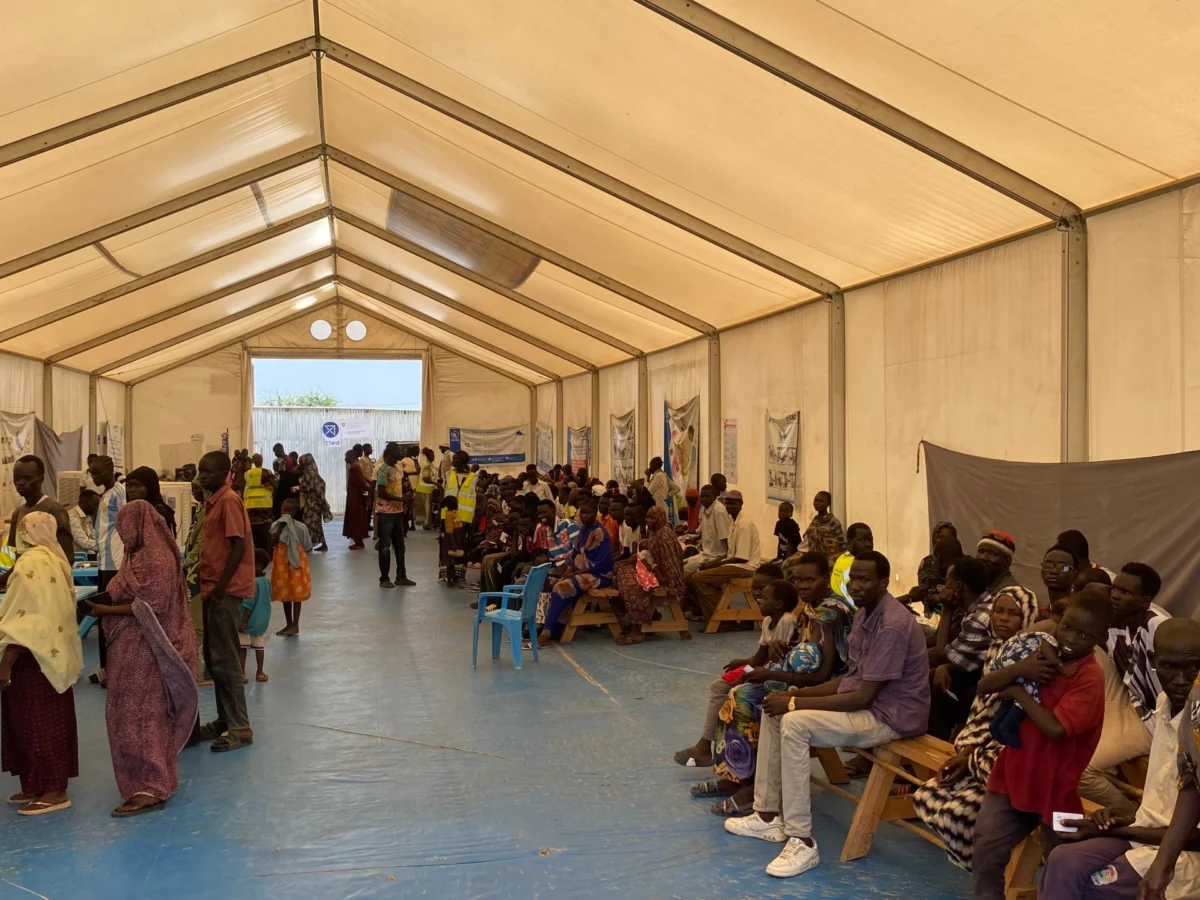
South Sudan’s aid crisis is intensifying as food stocks dwindle, with over one million people at risk of losing life-saving assistance by October, according to Al Jazeera. The combination of reduced funding and ongoing arrivals from Sudan is compounding an already dire humanitarian situation in the country.
Already hosting one of the world’s largest humanitarian emergencies, South Sudan now faces a dual challenge: decreasing international financial support for aid operations and a growing population of displaced individuals fleeing conflict in neighboring Sudan. These pressures are stretching an already fragile system to its limits, threatening basic survival for millions.
Key Facts
- More than one million people could lose life-saving aid by October.
- Funding for aid programs is shrinking, reducing available resources.
- Arrivals from Sudan continue, increasing the number of people in need.
- The crisis affects South Sudan’s broader population and stability.
The Story
Who Is Affected?
The escalating aid crisis in South Sudan directly affects over one million people who currently depend on life-saving assistance. These individuals include displaced persons, refugees, and local communities already facing extreme vulnerability. As funding declines, essential services such as food distribution, healthcare, and clean water access are placed at risk. The World Food Programme and other humanitarian organizations have been providing critical support, but dwindling resources threaten the continuity of these operations. Without urgent replenishment of funds, many of the most vulnerable populations will face acute malnutrition, disease outbreaks, and other life-threatening conditions.
What Happens Next?
If current trends continue, South Sudan’s humanitarian situation is expected to deteriorate significantly by October. The convergence of reduced funding and increasing population needs creates a dangerous feedback loop. Aid agencies are reportedly appealing for emergency contributions, but the scale of required assistance exceeds available resources. The ongoing conflict in Sudan continues to drive new waves of migration, placing additional strain on South Sudan’s infrastructure and aid systems. International attention and financial support will be crucial in preventing a wider collapse of essential services.
How Did We Get Here?
South Sudan has long been affected by political instability, economic hardship, and recurring cycles of displacement. Previous conflicts within the country have weakened governance and disrupted supply chains, leaving communities dependent on external humanitarian aid. The recent escalation of hostilities in neighboring Sudan has triggered fresh flows of refugees and asylum seekers into South Sudan, many arriving with little to no resources. At the same time, global humanitarian funding mechanisms have struggled to meet the growing demands across multiple crises, leaving organizations forced to make difficult prioritization decisions. The combination of these long-standing challenges and new pressures has brought the current aid crisis to a critical point.
What We Know — and What We Don’t
Verified by the source:
- Over one million people may lose access to life-saving aid by October.
- Aid funding is decreasing, limiting operational capacity.
- New arrivals from Sudan are continuing to enter South Sudan.
Still unconfirmed:
- The exact number of recent arrivals from Sudan.
- The total funding shortfall required to sustain aid operations.
- The names of specific organizations implementing aid distribution.
- Potential government or regional responses to the crisis.
Why It Matters
The deepening aid crisis in South Sudan reflects broader patterns of instability and resource scarcity in the Horn of Africa. A collapse in humanitarian support could trigger mass displacement, regional insecurity, and further strain on neighboring countries hosting refugees. For the international community, the situation underscores the urgent need for coordinated financing and diplomatic engagement to prevent a larger catastrophe. Read more about related developments in war and geopolitics or global economy and markets.
What To Watch
Further developments will depend on whether emergency funding appeals succeed and whether the flow of arrivals from Sudan continues unabated.